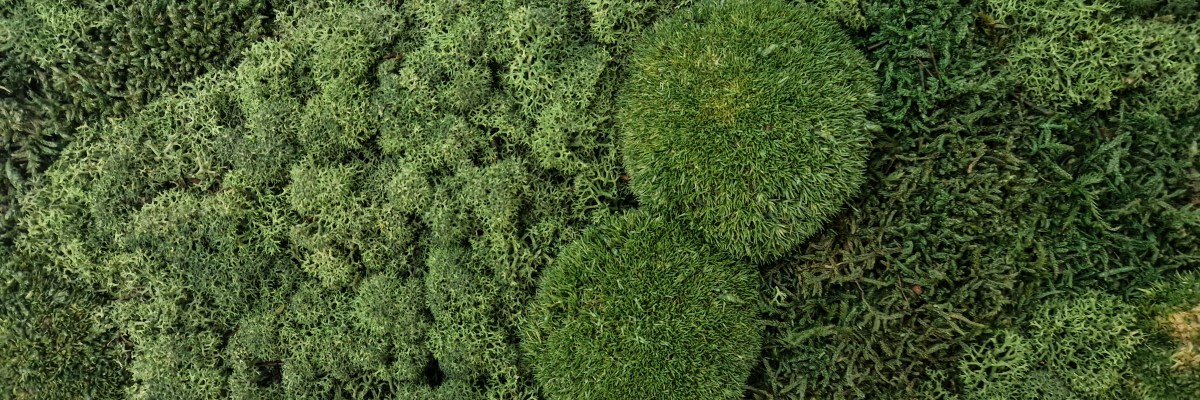
Easy exotica: how to get the best out of your orchids

Thirty years ago, the idea that an orchid could be anywhere other than in a hot house would have been considered as horticultural heresy.  Now they are sold in supermarkets for the price of a bottle of wine.  Formerly the preserve of specialists with expensive hot houses and specialized composts, advances in tissue culture have made the propagation and care of orchids an inexpensive way of getting exotic blooms into any building.

About orchids

The orchid family is one of the largest plant families, with approximately 28,000 species growing in almost every habitat – including a few wild species in the UK.  To illustrate how big a family of plants that is, more than 10% of flowering plant species are orchids. 

European interest in orchids started in the late 16th Century, when explorers collected plants from their native habitats and brought them back to Europe.  By the late 19th Century, their cultivation had become something of an obsession with wealthy collectors, who paid high prices for new varieties and built special glasshouses to keep them. 

Most of the orchids grown indoors have their natural origins in the tropics and subtropics, where they grow as epiphytes (meaning that they cling onto the trunks and branches of trees) or lithophytes (growing on rocks and cliff faces). 

Many orchid species and hybrids are commercially available, and can be grown as house-plants.  The mystique that used to surround their cultivation has all but disappeared, and expensive hot-houses are no longer required except for the most exotic and rare plants.

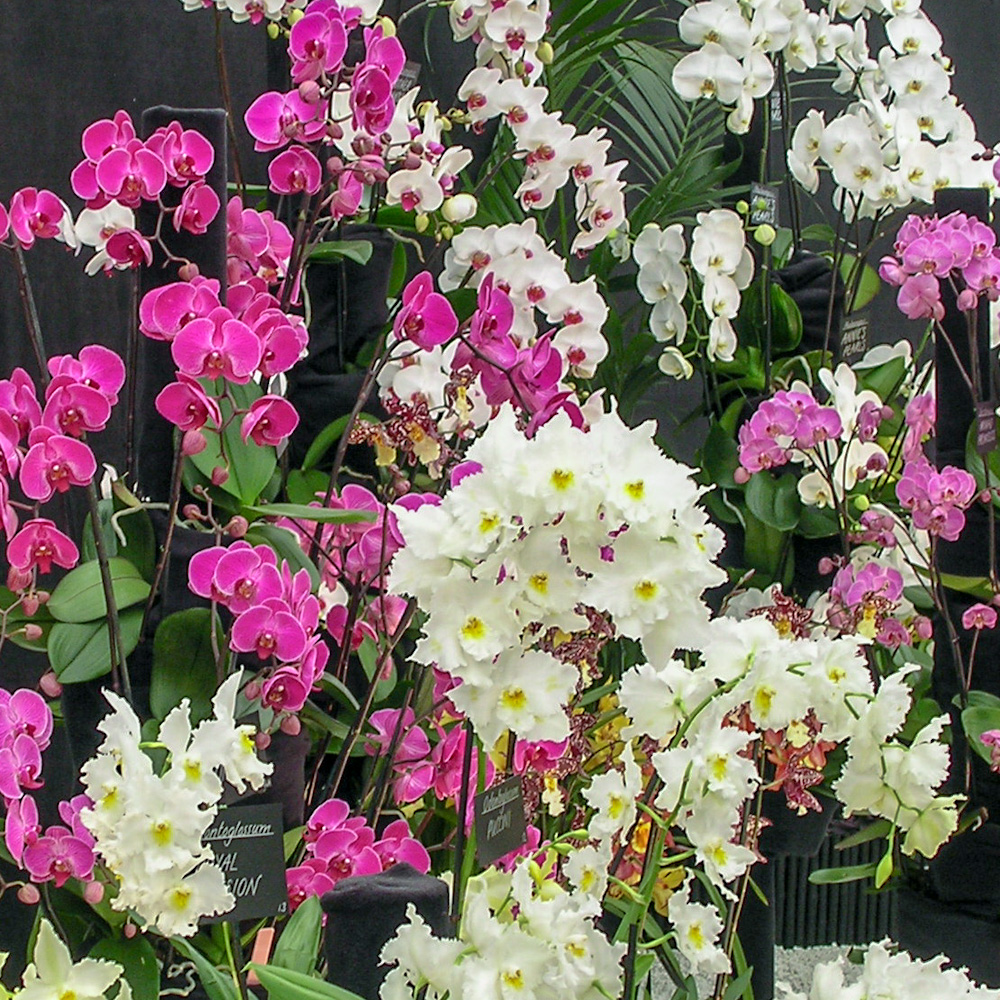
Orchid display at the RHS Chelsea Flower Show

Amongst the most popular indoor species are:

  • Dendrobium, from China, the Himalayas, Southeast Asia and Tropical parts of Australia (the name literally means ‘living on a tree’, which describes its epiphytic habit rather well).
  • Miltonia, a native of Central America named after the Englishman, Lord Fitzwilliam Milton, and which are often known as Pansy Orchids, for the shape of their large flowers.
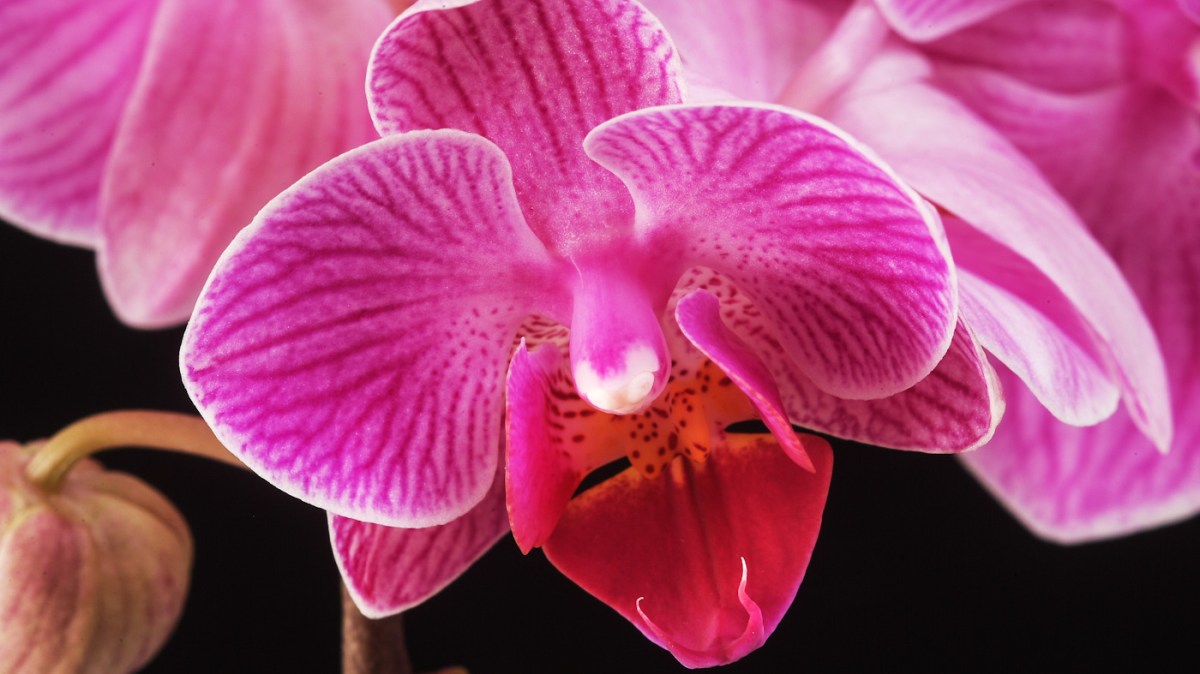
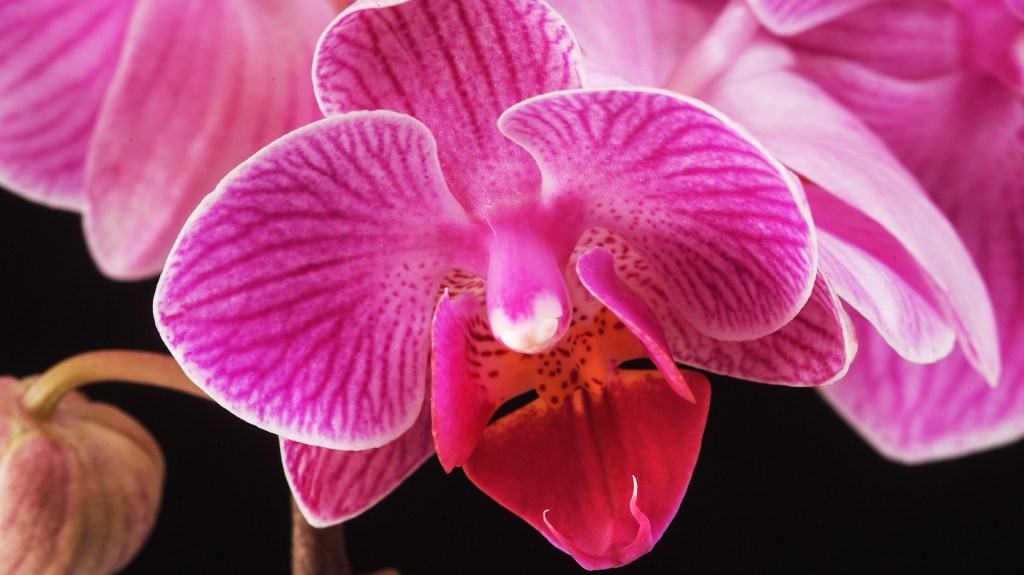
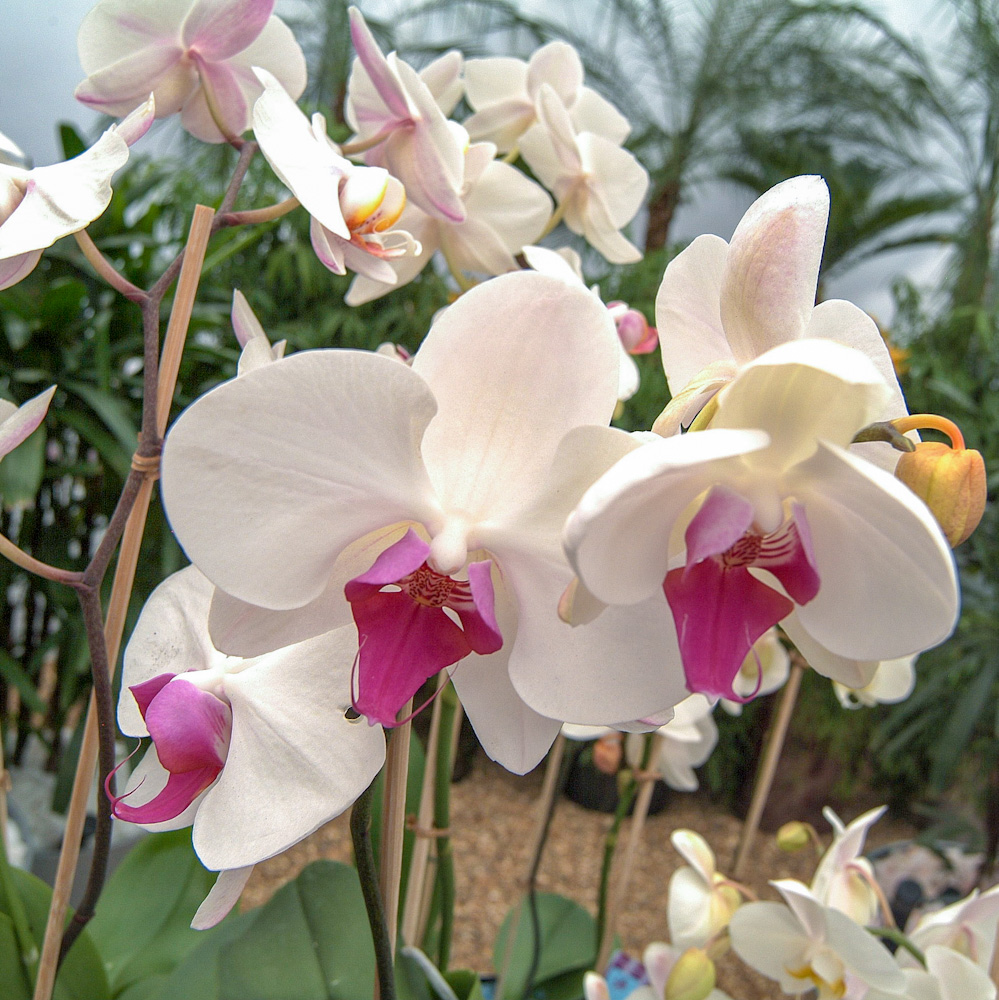
  • Phalaenopsis, the moth orchids, are found growing wild on the Pacific Islands of Borneo, Java and the Philippines.  The name Phalaenopsis means ‘moth-like’.  They are the easiest orchids of all to keep as houseplants, and we will concentrate on them in this article.

Dendrobium nobile often produces large numbers of highly scented blooms on long canes called pseudobulbs.  Spectacular these may be, but the blooms are very short-lived, and when not in flower, they are not especially attractive to look at.

Phalaenopsis and Miltonia hybrids are similar in many respects.  The flowers, whilst appearing very delicate, are surprisingly long-lasting (due to the scarcity of pollinators in the wild), and the plants are very robust when grown as house-plants.

Phalaenopsis orchids (pronounced fa-leh-NOP-siss) are especially recommended for their visual appeal, and comparative ease of care.  In good conditions, Phalaenopsis will flower for several weeks.  Miltonia, though similar, produces very large flowers that really need some space to display them to their best advantage.

How to care for Phalaenopsis orchids

Displaying in a decorative pot

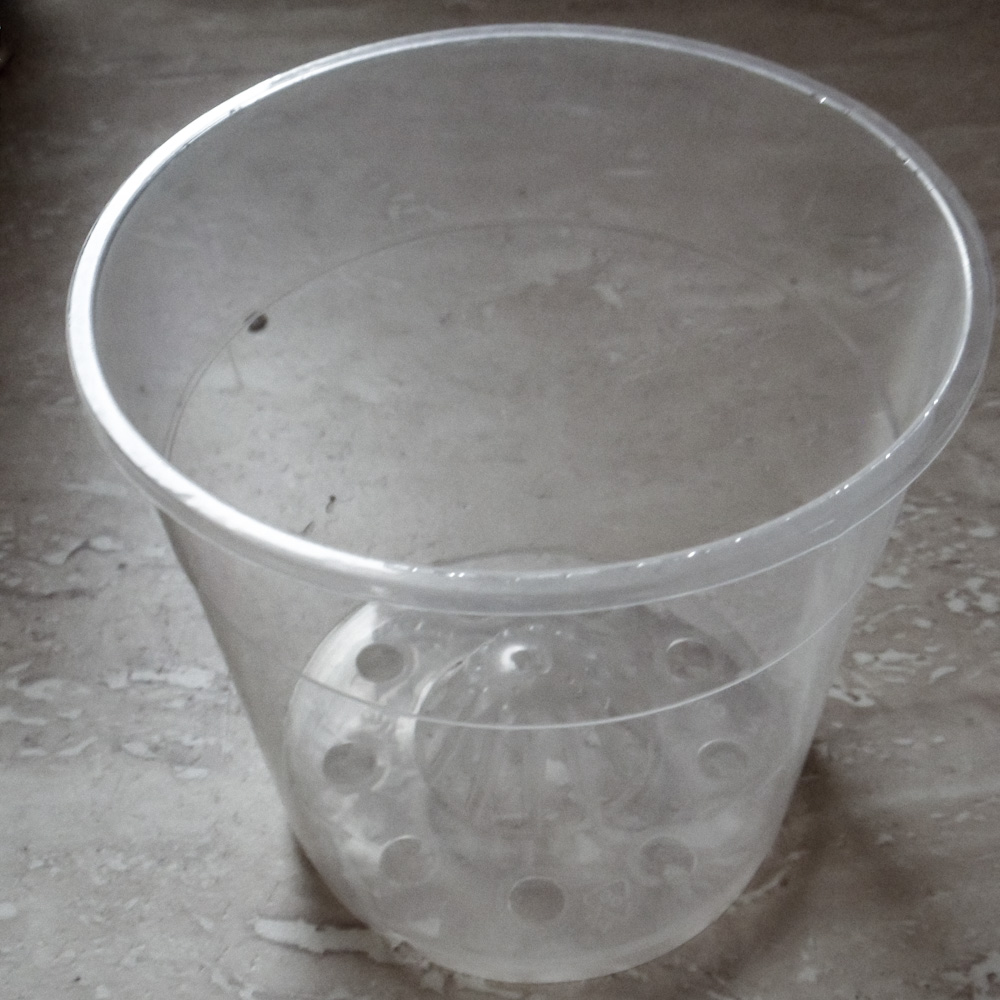
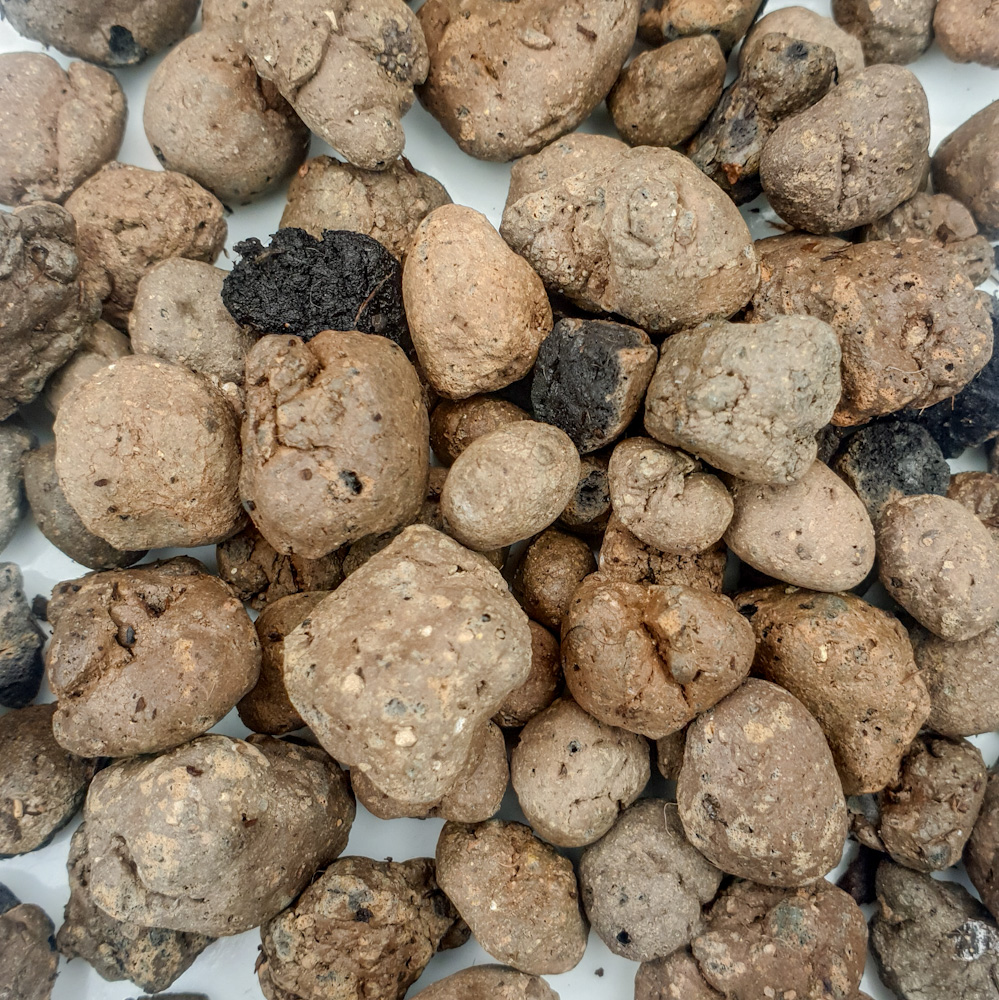
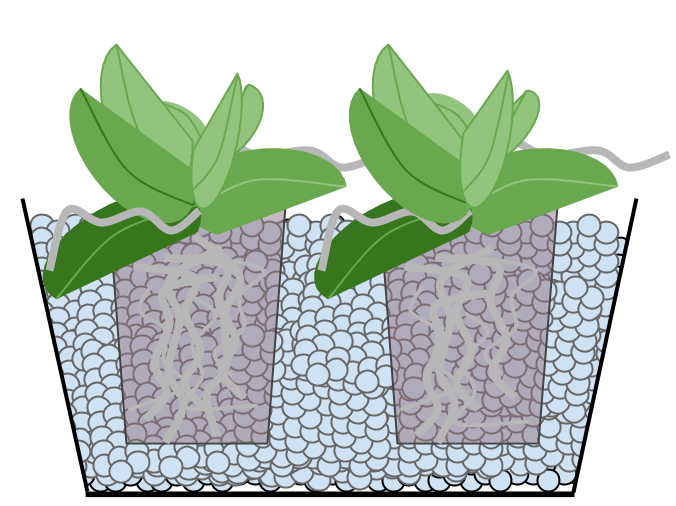
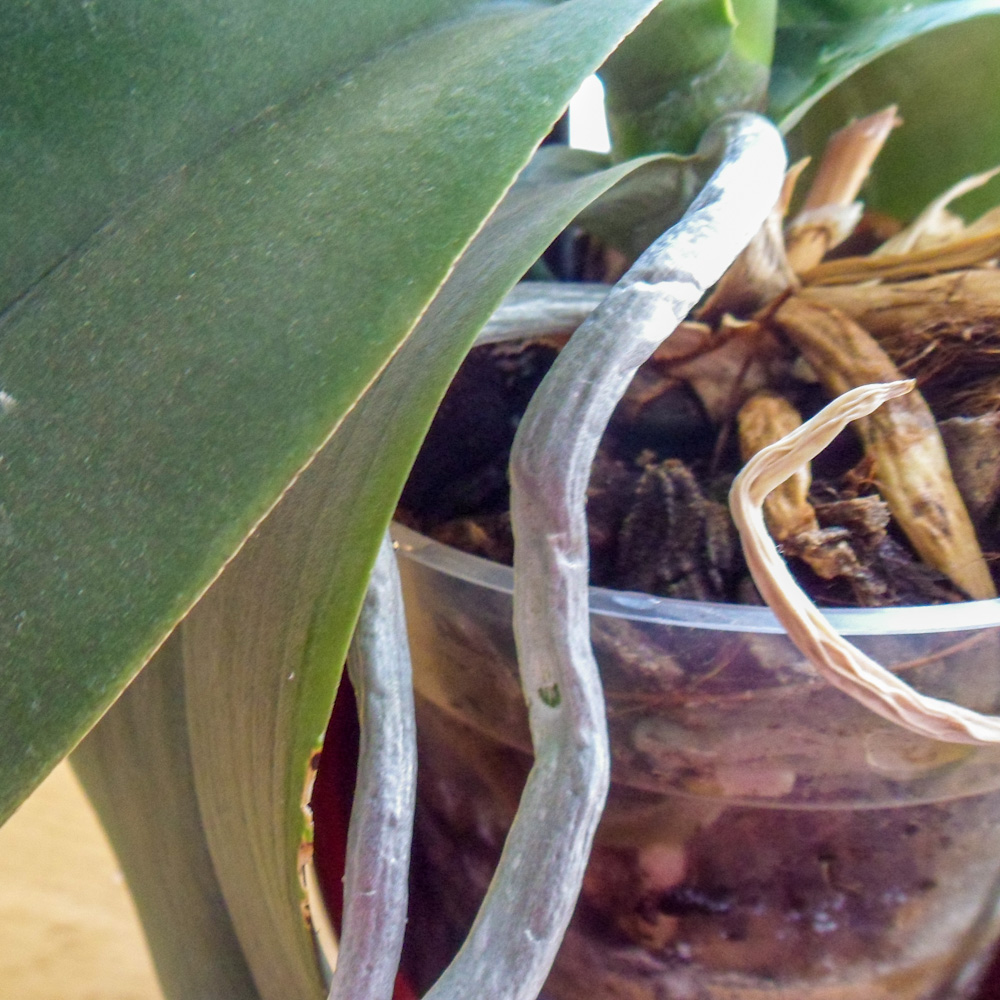
Orchids are supplied growing in a special free-draining compost.  They should not be removed from their original pots, which you will notice are made of a clear or translucent plastic.  (You should keep the orchids in their original grow pots: orchids benefit from a little light at the roots, which is why they are sold in such pots.)  Instead, a layer of LECA (light expanded clay aggregate – small pellets of absorbent clay, which you can buy from most garden centres) or vulcaponic substrate should be spread in the bottom of the decorative pot, and the orchid pot placed upon it.  

Transparent orchid nursery pot
LECA – light expanded clay aggregate

Alternatively, you can buy special orchid pots, which are often taller than conventional decorative pots.  These are designed so that you can keep a moist layer, or even just water, at the bottom, without the orchid sitting in it.

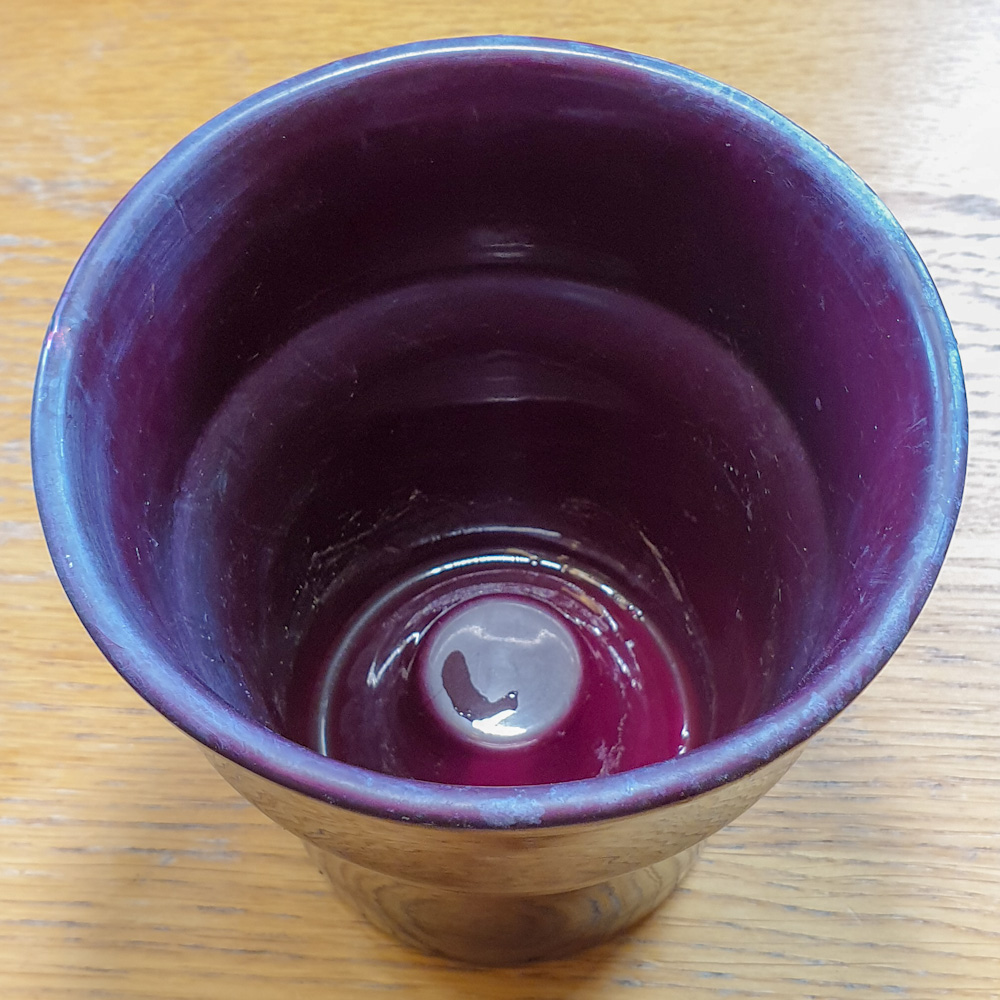
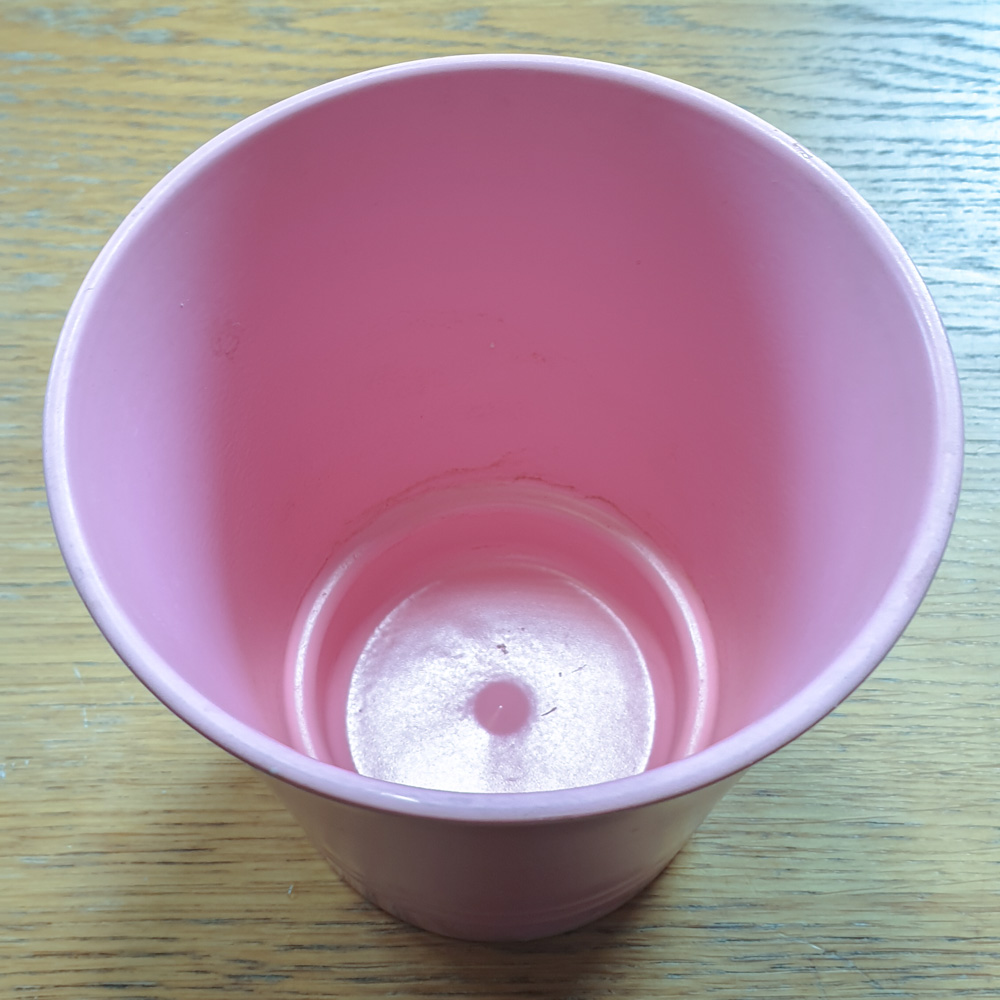
A selection of orchid pots showing supports for the grow pot so that a humid area can be provided underneath

If the decorative pot is large, you may wish to surround the nursery pot with more LECA, coarse vulcaponic substrate or even something like glass beads to hold it in place (and let some light in).  Phalaenopsis benefits from a humid environment around the roots, which can be achieved by standing the grow pot on a layer of something like lava rock or LECA in the decorative pot to support the pot, and keep that material moist.

Do not plant the orchid directly into soil or potting compost.

Ensure that the fleshy, grey aerial roots are able to sit above the surface and not get buried.  Let the grey aerial roots sit above the surface of the lava rock or LECA.  They are covered in a material called velamen, which acts like a sponge to absorb moisture from the air.

Heat and light

Orchids benefit from good light, but should not be placed in direct sunlight, draughts or near direct heat.  A minimum of 15°C is needed, ideally a little warmer once the flower stem starts to grow.  Large fluctuations in temperature between night and day will also shorten the lifespan of the flowers.

Orchids do really well in humid situations and make for fantastic bathroom plants.

Water

Orchids require regular watering, but must not be allowed to stand in water. My own research has shown that rainwater, or deionized (or distilled) water, with a little fertilizer (see below) is ideal, but tap water is acceptable in most circumstances (although it can vary, and often contains dissolved salts that can damage the roots).  One thing to bear in mind, however, is that cold water can be damaging – tap water or rainwater is best if allowed to get to room temperature before using.

To water an orchid, lift its grow pot out of the decorative planter and take it to a sink.  Pour plenty of water into the orchid pot and allow it to drain, then replace into the decorative pot. If you keep the orchid on a layer of LECA, or similar, moisten that as well.  You probably won’t need to water more than once a week, or occasionally less frequently.  (If you are going to be away, give the plant a good watering before you leave and make sure there is some humidity at the base of the pot).  Standing water near the leaf bases will lead to rot and leaf loss.

Fertilizer

In their natural environment, orchids such as Phalaenopsis, gain their nutrition from the poor soil they grow in, or from water washed off the leaves of the trees that they live in (such leaf washings might include nutrients derived from dirt and even the droppings of birds, small mammals, tree frogs and insects).  In some species, bacteria or fungi live in the aerial roots and they are able to fix nutrients direct from the atmosphere.

Cultivated orchids require very little fertilizer, but some micronutrients are needed, especially when the plant is flowering.  Specially prepared orchid fertilizers are available from garden centres and orchid specialists, and whilst they may be beneficial, they are expensive and not absolutely necessary.  A weak (10% of standard rate) solution of a general purpose houseplant fertilizer (containing trace elements) mixed in deionized water is ideal.

Keeping orchids clean and pest free

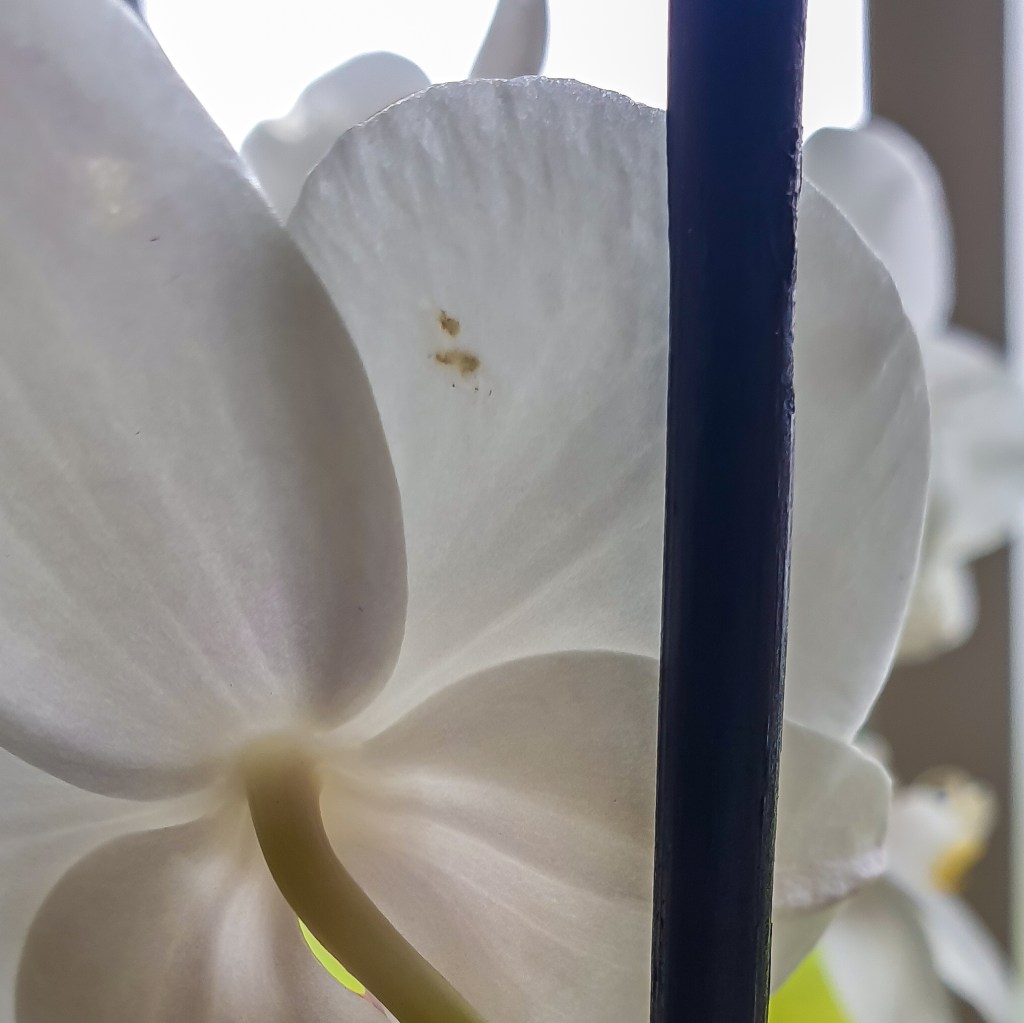
Orchids are generally pest free, but mealybugs, scale insects, thrips and two-spotted (red) spider mites can attack them.  Remove any signs of webbing and mealybug egg masses as soon as you see them.  Aphids seldom attack the plant, but they may gather on the flowers, making them unsightly.

Thrips damage on an orchid flower

Orchids have robust leaves and surprisingly strong flowers.  However, that does not mean you can be rough with them.  The most important thing to do is to remove any dust that has accumulated on the leaves – a damp cloth is often the best way.

Caring for the flowers

Phalaenopsis produces flowers on a long stem.  The buds develop at the tip of the stem and can be quite fragile.  It is important not to damage them.  Sometimes, the buds may not fully develop.  In this case, they will shrivel and should be carefully removed.  

Old flowers will start to shrivel, and these can be removed by gently rubbing the flower stalk from the stem.  Once all the flowers on a stem have finished, the stem should be cut back.  

If the plant is healthy and vigorous, it may be possible to encourage a second growth of flowers by cutting the stem back to just above the fourth or fifth bud where a new flowering stem can sometimes grow.  If the plant is lacking in vigour, the original stem should be cut right back to the base, and the plant allowed to recover.  

Flowering is triggered by a reduction in daytime temperature, so to get your plants to reflower, place them in a cooler (not cold, though) room in the house for several weeks before bringing them back to a warmer place.

As you can see, orchids really are pretty easy to look after, and they reward you with the most fabulous exotic blooms.  Once you have mastered Phalaenopsis orchids, why not try your hand at some of the more exotic types, some of which have the most enticing perfumes and even more glorious flowers.

(image credits: all images from author’s own collection)

Autumn challenges for your houseplants

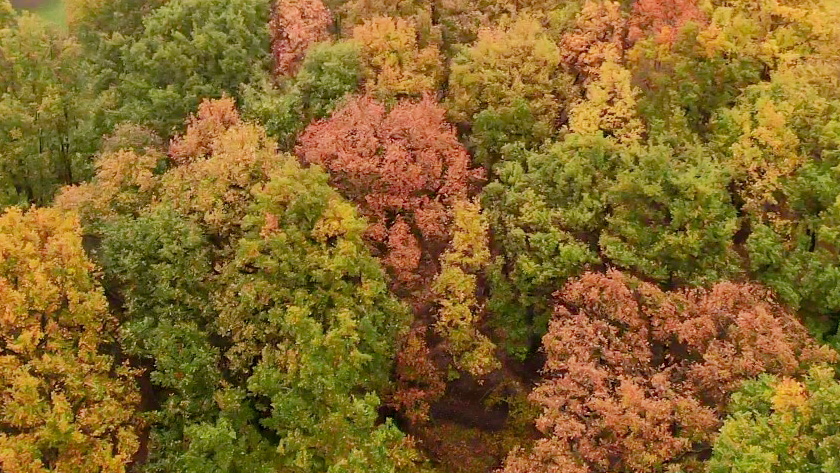
woodland in autumn, showing shades of green, red, orange and brown

Last week, we passed the autumn equinox. The day when we enter a period of more night time than daylight. More people are also working away from home as employers are trying hard to encourage their staff back to the office. With this in mind, please spare a thought for your houseplants.

Lights on in the home

Offices are getting busier and more people are spending their working hours away from home.
We are also entering autumn. This means a lot less daylight, as a result of shorter days, less intense sunlight and far fewer hours of daylight.

It also means that the lights at home are off. On a dull day in an unlit house, light levels may be very low only a short distance from the windows. For houseplants, this can be tricky – they need light to photosynthesize, so prolonged darkness can cause problems. However, there are ways to minimize those potential issues.

By the windows

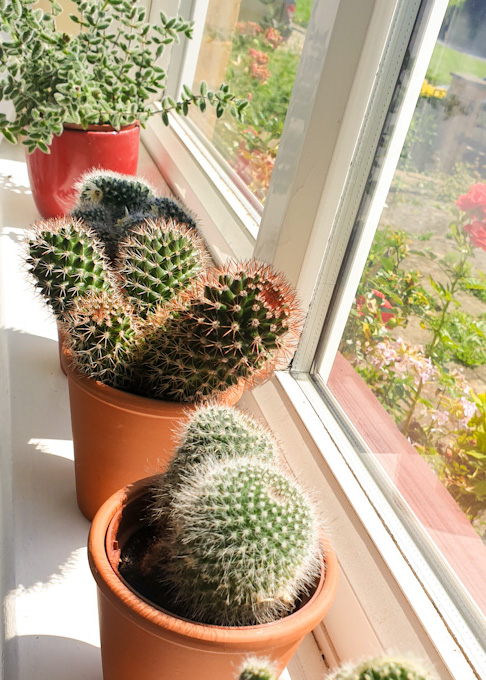
cacti on a windowsill
Cacti on a windowsill

If you haven’t already filled every available gap on your window sills with plants, now is the time to move some of your smaller plants a bit closer. Those that are sensitive to direct light (even at this time of year) such as Calatheas and Alocasias can go on north-facing window sills.

If you have a conservatory, and some room, some of your other plants might welcome a change of scene. Again, be aware that some species might not appreciate direct light, and watch out for cooler nighttime temperatures.

Many species, especially those with their natural origins in the undergrowth of a tropical rainforest, will be able to cope with the lower light levels quite easily without needing to be moved and without the need for additional lighting.

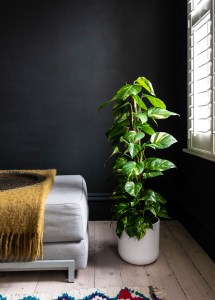
Plant by a window
Plant by a window

Be smart with your lighting

A lot of people have embraced smart technology and can control much of their home through an app or smart speaker (such as an Amazon Alexa or Google Home device). Smart lighting is one way of giving your houseplants a light boost, and as many lights use very little energy, they won’t add too much to your energy bills (and may save the cost of replacing some plants). A few extra hours of lighting whilst you are away from the home can easily be programmed, and you can also programme your lights to be on when you get home. Having your lights turn on and off throughout the day can also be a useful security benefit.

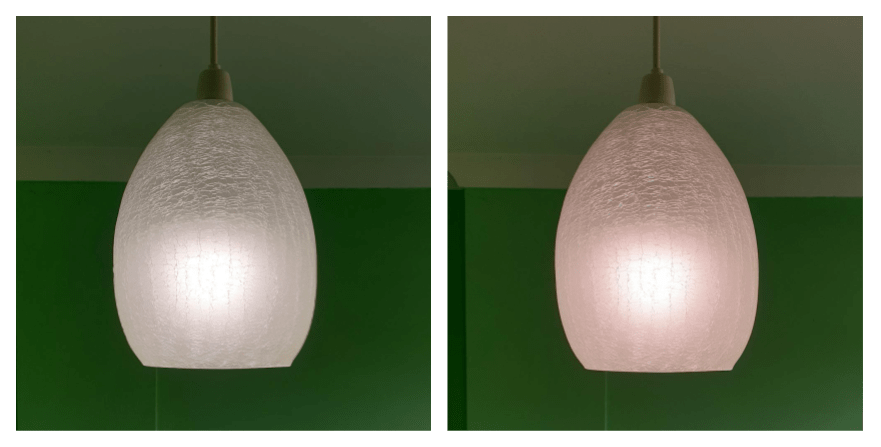
If your smart bulbs have different light quality settings, use daylight (sometimes called cool white) at the highest brightness during the day, and then change to a more comfortable warm white when you get home. You probably won’t need the lights to be on all of the time, but some species that do best in higher light conditions might benefit.

Comparison between daylight (l) and warm white (r) light from a programmable smart bulb

Cut back on water and feed

If you are spending more time away from the home, the chances are that as well as light being diminished, your home might be a little cooler as well: there is no need for the central heating if no-one is home.

If that is the case, your plants will be metabolizing a little slower, so they won’t be needing as much fertilizer and water as usual.

Always be guided by your plant – water according to the plant’s needs, not to a timetable. You can probably do without fertilizer until the spring as well.

If you have your houseplants potted in coir pots or set up with vulcaponics, that will certainly help regulate the water given to the plant. Adding water to the decorative pot and allowing it to soak gradually through the coir pot is an ideal way of managing the amount of water in the soil, reducing the risk of the roots becoming saturated.

Don’t worry

Most houseplants have their natural origins in the tropics and sub-tropics, where there isn’t much in the way of seasonal variation, much like inside a building. This is the main reason why native species of plants cannot cope with the indoor environment – they need seasonal variation to trigger different processes, such as flowering time or leaf drop.

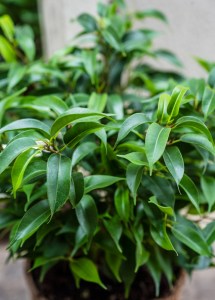
However, when there is a seasonal change, some tropical houseplants will respond and you might notice more in the way of leaf drop than usual, especially on plants such as Ficus benjamina and other small-leaved tree species. Unlike temperate trees that tend to drop their leaves in the autumn, tropical species drop leaves continuously as they grow old, but you might find that if light and temperature levels do fall, they might drop more leaves as a result.
If this happens, don’t be alarmed (unless they drop all of their leaves). They will start producing a lot more foliage in the spring.

Ficus ‘Green Kinky’

Houseplants are pretty resilient. Breeders and growers have selected species and varieties over time to ensure that they can cope with the indoor environment. Working from home has probably given many houseplants a bit of a boost, but they will adapt to emptier, darker homes quite quickly.

Where do you have your best ideas?

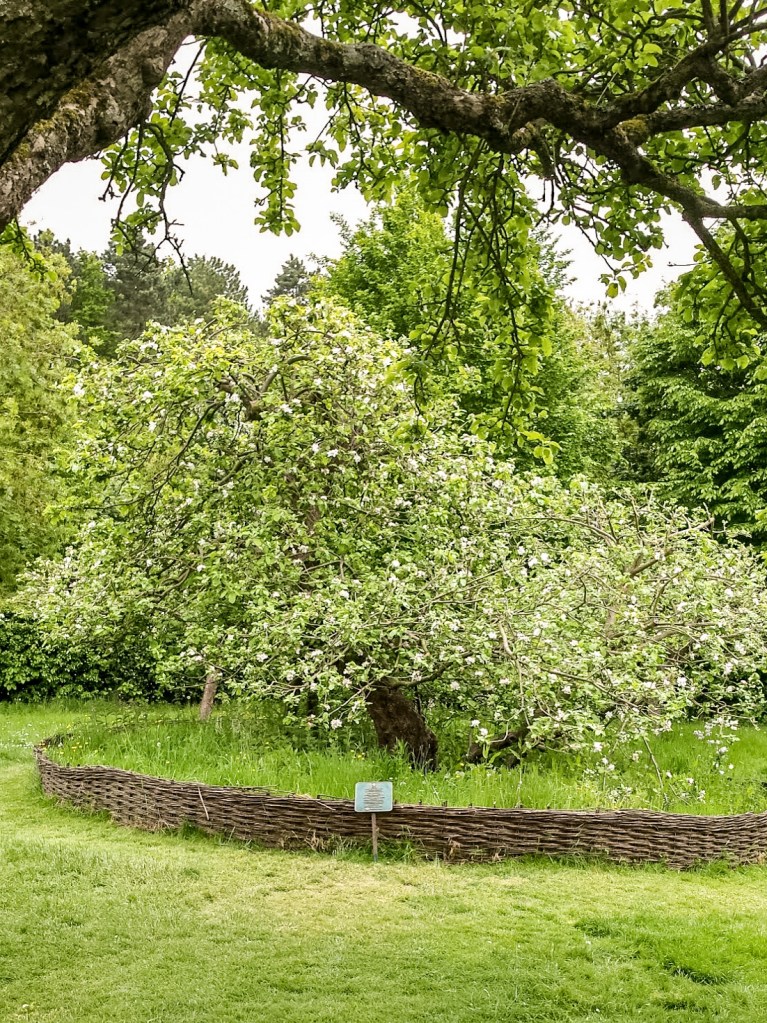
Isaac Newton's garden in Lincolnshire showing the famous apple tree which inspired his theories of gravity
Isaac Newton’s garden at Woolsthorpe Manor, Lincolnshire

Did Isaac Newton contemplate the laws of gravity in meeting room 13N.21? No, of course not – he was famously in his garden in Lincolnshire.

What about Barnes Wallis? The idea of the Bouncing Bomb (of Dambusters fame) didn’t happen in a ‘collaboration zone’, but when skimming a stone across a lake. And Darwin didn’t come up with his theories of evolution in the confines of a meeting pod – his gardens at Down House, in Kent were his place of contemplation.

The poetry of Wordsworth wasn’t written as a result of sitting at a hot desk in a downtown office block, Hippocrates contemplated his theories of medicine sitting under a tree in the market place of Kos, and Archimedes had his eureka moment whilst having a bath.

There are innumerable examples of new ideas being inspired by something an inventor, philosopher, author or artist encountered outside of what we now regard as the workplace. Yet, if we were to believe the social media posts of commercial interior designers, or the marketing spin of companies boasting about how they have reimagined the workplace, you might think that we are entering a new golden age of discovery through the medium of office design.

We are certainly seeing more technology and a much wider range of space types inside office buildings (often supposedly to foster a sense of collaboration and creativity), and there is certainly a greater understanding of the principles and benefits (if not the application) of biophilic design.

The benefits of biophilic design in the workplace are becoming mainstream. The idea that bringing a sense of nature into our workplaces to support wellbeing and improve organizational outcomes is supported by a growing body of research, much of which has been referenced in some of my previous posts, and it is certainly true that you are more likely to be creative in a well designed, nature-inspired office space than in a sleek, bleak monochrome box.

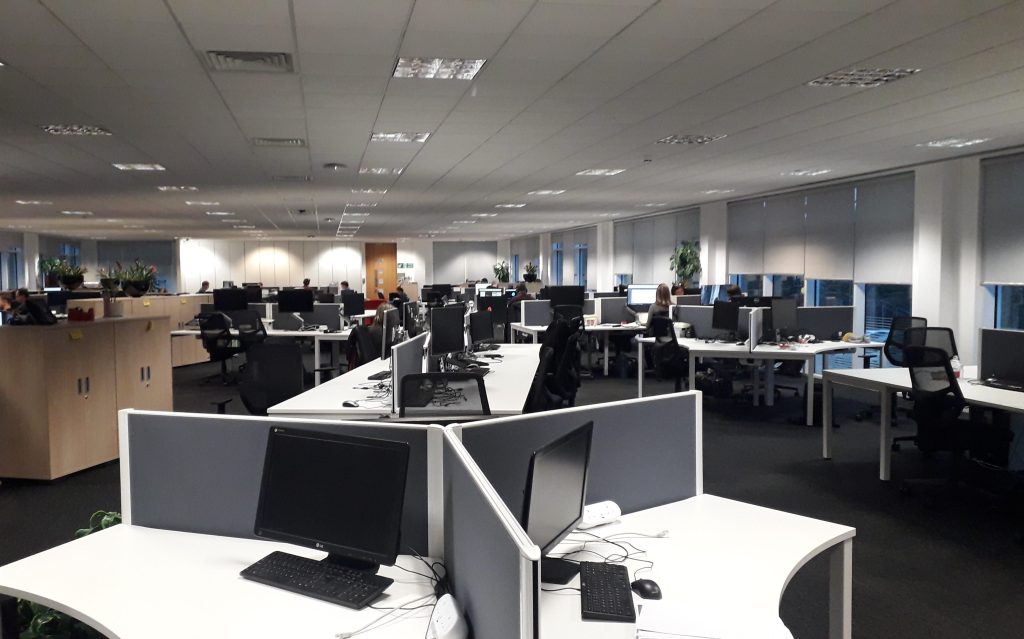
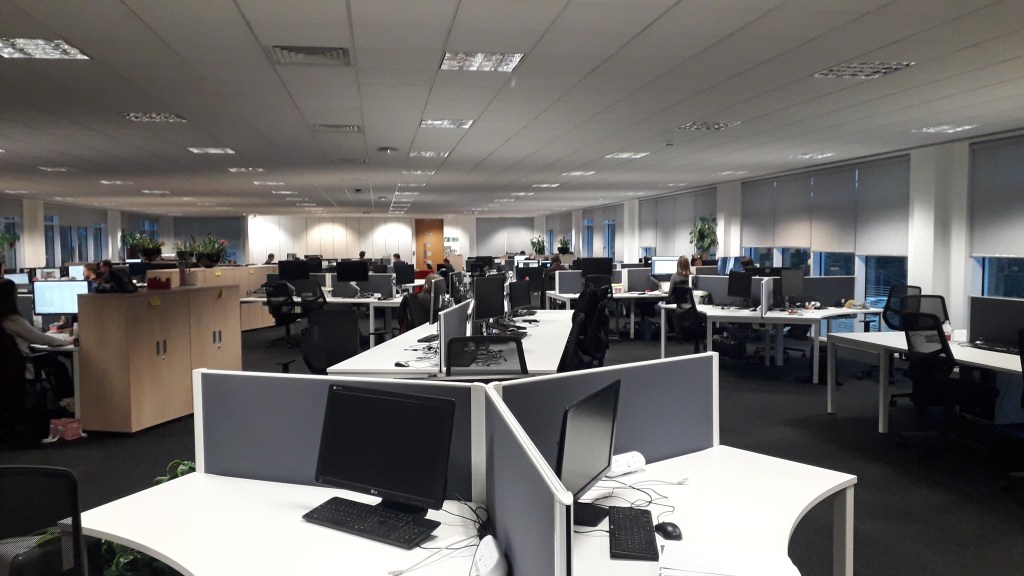
Open plan office space
A creative space?

It is interesting to note that in many businesses, there is a lot of ‘do as I say, not as I do’ attitudes from business leaders. As an office worker, you may be expected to be seen in the office and to make use of the investments made in design, but leadership ‘retreats’, often in nice country houses or rural resorts, are still common. They are justified on the grounds that such places, away from the distractions of the office (and annoying colleagues), are ideal for strategizing and creativity.

There are many good reasons why that might be true: I have written about why meeting rooms might not be so great for making important decisions because the elevated carbon dioxide levels found in such spaces can cause drowsiness and affect cognitive ability. Being away from distractions (or allowing yourself to be distracted by something divorced from normal work activities) is also great for thinking, and you never know where you might find inspiration. Being outdoors can certainly help – separating yourself from sources of stress and discomfort, and stimulating your senses by immersing yourself in fresh air and the sights, sounds and smells of nature can be inspiring.

Needless to say, hiring a resort is never going to be a cost effective solution to the needs of day-to-day creativity and imagination, but there are things you can do.

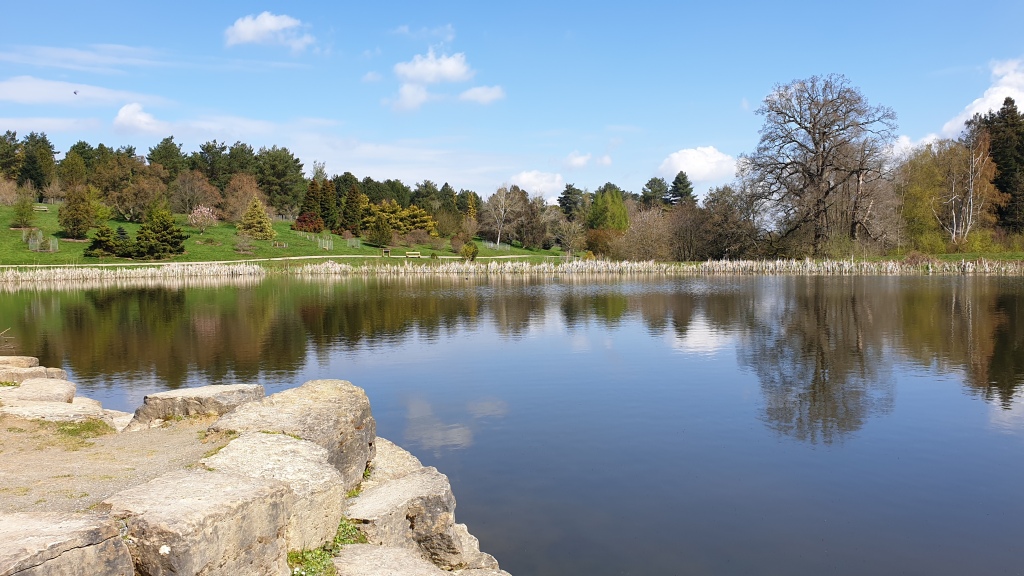
View of a lake and trees
A good place to think
  • Go for a walk. Even if you work in an urban area, a short walk in the neighbourhood can be a useful break from the distractions of the office. In the UK, most people can get so some sort of green space within a few minutes.
  • Whilst you are on your walk, look around and look up – and take out your earphones.
  • Outdoor meetings are also worth trying. Again, the conscious act of taking yourself and colleagues away from the office gives space to think without fear of interruption.
  • If you work from home and have a garden, that is a good place for thinking time, or even for taking a coffee break.

Human beings are a uniquely creative species, and we are able to gain inspiration from the most unexpected places. And whilst variety and a wide range of work settings now found in modern offices are to be welcomed (management permitting, of course), confining ourselves to one space for work isn’t going to be enough to unleash inspiration and creativity.

Why the golf course might really be a good place for important business meetings (but not for the reasons you might be thinking)

Photo by Nathan Nedley on Pexels.com

The golf course meeting is a bit of a cliche. Executives in silly trousers getting together to hit little balls with clubs whilst at the same time sealing deals or hatching cunning business plans.

Such meetings were usually pretty exclusionary and often served to massage egos and provide tremendous opportunities for flattery and sycophancy. These days, they probably don’t occur as often.

However, aside from what passes as sport, there are probably some sound reasons why holding important meetings outdoors in a vast open green space is a good idea.

Most important business decisions are made during meetings behind closed doors. Meeting rooms – occupied by several people all concentrating hard on presentations and spreadsheets – may be private, but they might also be making it hard to think clearly.

At ground level, carbon dioxide concentration in the air is approximately 400 ppm. When carbon dioxide concentrations rise to about 1,000 ppm, humans start feeling a little drowsy, and when they rise above 1,400 ppm our cognitive abilities start to decline – we find it harder to concentrate and make quick, rational decisions. A study carried out at the Lawrence Berkeley National Laboratory in the USA showed that “On nine scales of decision-making performance, test subjects showed significant reductions on six of the scales at CO2 levels of 1,000 parts per million (ppm) and large reductions on seven of the scales at 2,500 ppm. The most dramatic declines in performance, in which subjects were rated as ‘dysfunctional,’ were for taking initiative and thinking strategically.”

So, what’s the problem? 1,400 ppm is over three times the carbon dioxide concentration in the atmosphere – is it really possible to get to those levels?

The answer is yes, and it doesn’t take too long for a few breathing adults in a confined space to manage it.

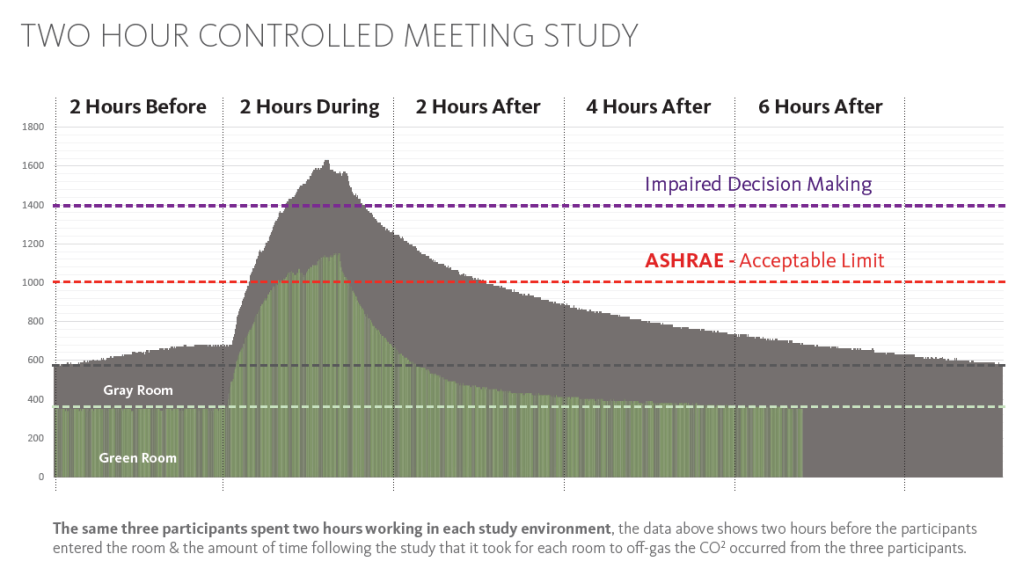
Back in 2016, Gensler carried out a study in two identical meeting rooms (one of which was fitted with a small green wall) – a floor area of 21 square metres each, so about 50 cubic metres in volume. Three people working in those spaces, doing ordinary office tasks were able to elevate carbon dioxide levels to well over 1,400 ppm in a matter of minutes in the unplanted room (in the planted room, carbon dioxide exceeded 1,000 ppm, but reduced quite quickly – possibly as a result of the plants beginning to photosynthesize).

Chart from the Gensler meeting room study showing the effects of vegetation on carbon dioxide concentration in a small meeting room

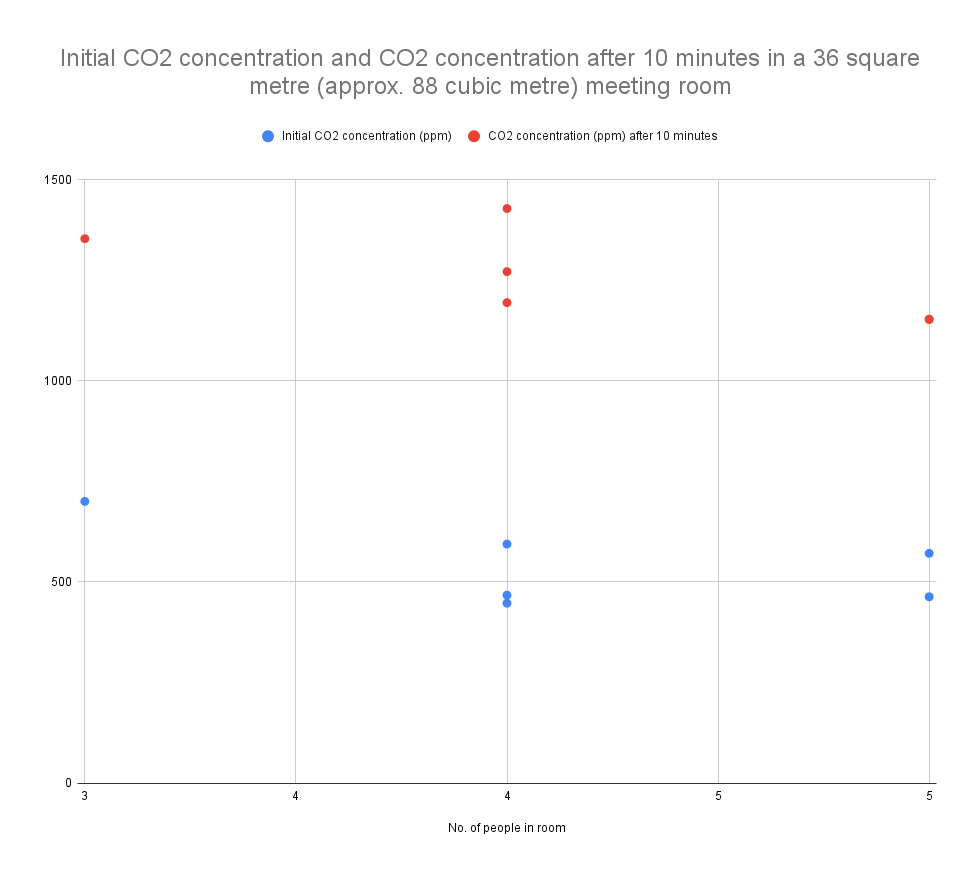
I carried out my own studies in a meeting room that had a floor area of 35 square metres (volume of just under 90 cubic metres), and it was possible for groups of only three or four to increase carbon dioxide concentrations to almost 1,500 ppm in 10 minutes, and that was in an office in an old building which wasn’t especially airtight.

Chart showing how carbon dioxide concentrations in a small meeting room increased over a period of 10 minutes

As well as having an impact on cognitive ability and fatigue, high levels of carbon dioxide in a room are usually associated with other symptoms of discomfort, such as a feeling of stuffiness. This may have something to do with an increase in humidity and a rise in temperature that can also happen in confined spaces. Interestingly, some new research has shown a relationship between high levels of carbon dioxide and humidity with the transmissibility of airborne viruses – this is probably related to ventilation rates and is one of the reasons that carbon dioxide monitors are used to determine whether windows should be opened in school classrooms.

Holding meetings outdoors means that, as well as being exposed to fresher air, you are also exposed to the other sensory stimuli found in nature, and as discussed before, coherent sensory stimulation is one of the key components of biophilia.

Business meetings don’t have to take place on golf courses: a local park or woodland would do the job just as well. Imagine how much more productive businesses would be if they allowed the minds behind the business to work more effectively.

Another indoor air quality conundrum

Yesterday, the UK government announced that all remaining restrictions relating to Covid-19 are to be relaxed on July 19th. There will no longer be a requirement to work from home when possible (something that seems to have been gradually ignored by many organizations for weeks already) and schools can abandon bubbles and even mask wearing and social distancing.

To mitigate some of the effects of increasing infections and the removal of passive measures such as masks and distancing, better ventilation of buildings is encouraged.

One way to measure ventilation is by using a proxy measure of carbon dioxide concentration, and that is pretty easily achieved with IAQ monitors. Carbon dioxide concentration is a good proxy measurement for ventilation as the higher the levels of CO2, the fewer air changes are taking place. If CO2 levels are high, then increasing ventilation is a good option. Not only will it have an impact on virus transmission, but it will also improve cognitive ability and reduce the risk of drowsiness. High levels of CO2 are very much associated with poor productivity.

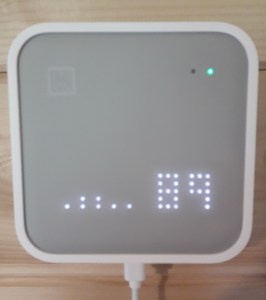
Awair Omni OAQ monitor

The easiest way to improve ventilation is to open some doors and windows. In most schools, that is the only way to do it – very few schools have complex HVAC systems that can adjust ventilation rates and still pass air through filters.

If you have an IAQ monitor that measures a range of parameters, such as particulates and VOCs as well as CO2, then as soon as you open a window, you might discover that other pollutants increase rapidly – and then what are you going to do? Balancing the health risks of the different contributors to poor IAQ is hard enough already, without the added complications of a nasty virus

Many schools, especially those in urban areas, as well as office buildings, are situated near busy roads and particulate pollution especially is known to be very damaging to respiratory health. Measurements of particulates near roads are sometimes way above safe limits and high concentrations of fine particulates can kill or seriously damage health.

Photo by thevibrantmachine on Pexels.com

So, here is the puzzle that has to be solved. Will opening windows to reduce the risk of ill health due to airborne viruses (such as Covid-19) cause a bigger impact on health by letting in a whole load of other pollutants, especially fine particulates?

There are, of course, some things that can be done to reduce the amount of particulates getting into buildings.

The first is to reduce them at source. In urban areas, the main source is traffic, especially traffic using internal combustion engines. The rapid increase in electric vehicles is certainly going to help, but it will take many years before they are off the roads completely, and the most polluting types of vehicle are the hardest, at the moment, to electrify (big goods vehicles).

Next, you can try and reduce the chances of those particulates getting inside a building with open windows. This is not going to be easy, but there are some effective measures, and they are mostly green.

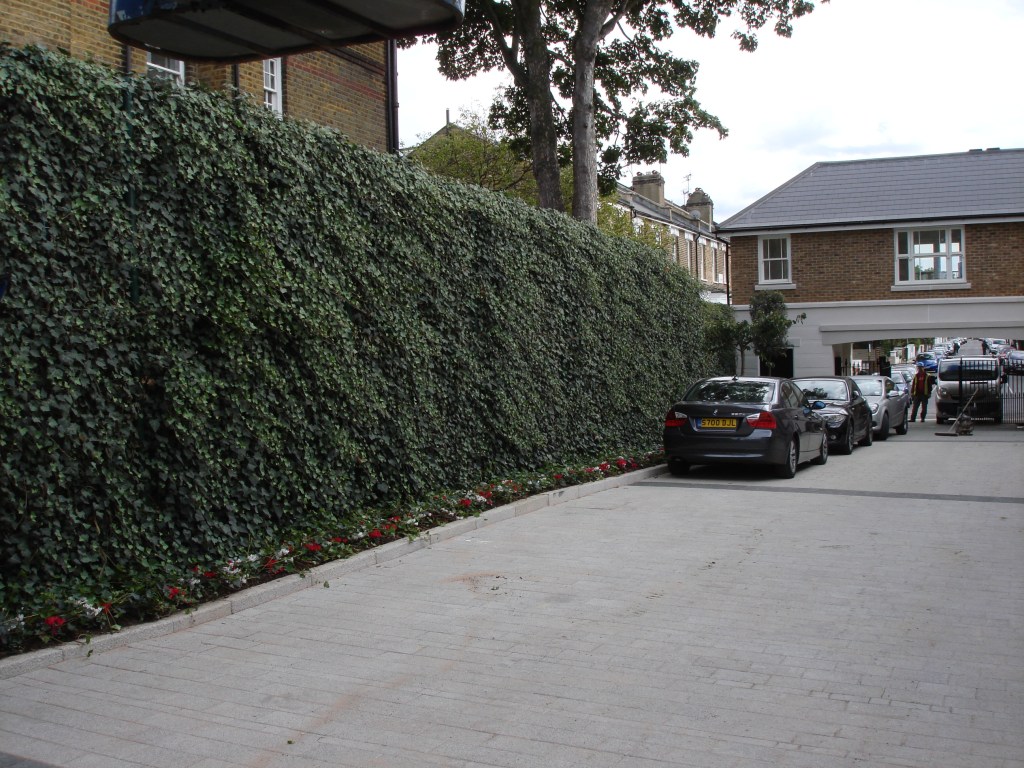
Green walls, green screens, climbing and scrambling vegetation, trees and hedges are all capable of trapping large quantities of particulates on their foliage, and have an impact on urban heat islands too.

A Mobilane Ivy screen trapping particulates and keeping the noise down

Trees, hedges and plants like ivy are actually quite cheap too, and they are self repairing. They also reduce noise and look good too.


In the short term, using ventilation to flush out viruses (along with excess CO2) is going to be better than leaving windows closed and minimizing the ingress of fine particulates, but that is not a viable long term solution. Ideally, we should always have good ventilation to flush out viruses (it would be a good idea to use ventilation against all respiratory viruses, not just Covid-19), but if that is the case, we must do more to prevent other pollutants getting inside buildings. Vegetation is going to help a lot, but removing the source of those pollutants has to be the ultimate goal.

When did you last hear birdsong?

Today is the 22nd of December, 2020. Here, in tier 4 Kent, it is quiet. Schools have broken up for the Christmas holidays and, thanks to a new strain of the Covid-19 virus, we are experiencing a near lockdown. This means the roads, and the skies, are nearly empty.

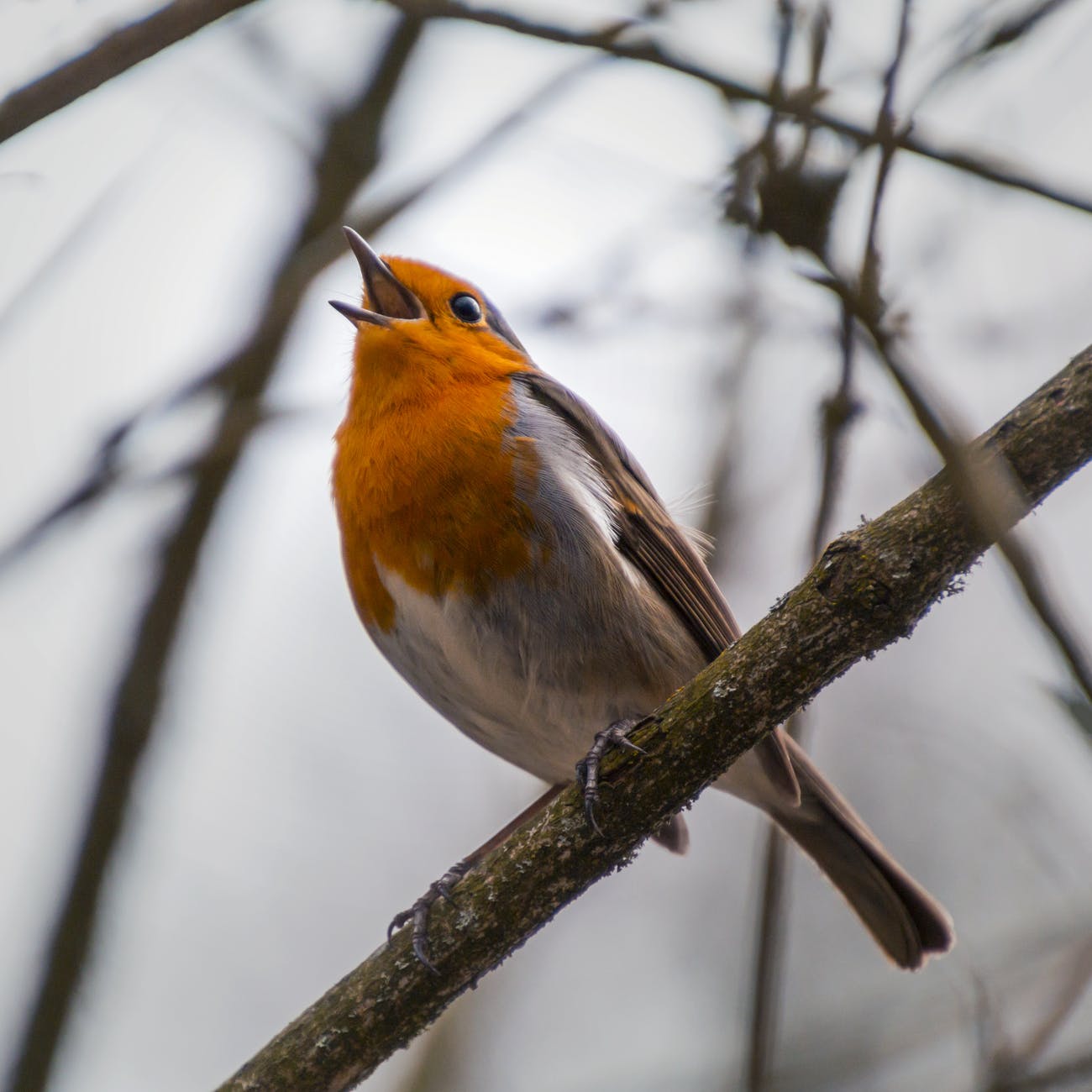
Oddly, it is also 14 degrees Celsius, the rain has stopped (for a while at any rate), and it is warm enough to sit in the garden with a cup of coffee and contemplate life. As I sat, looking at the garden (and thinking about the jobs that need to be done there, as well as those indoor chores, and for work), I tuned into the sounds. A robin was singing, pigeons and doves were making their less tuneful noises, and sparrows were chirping.

Photo by Pixabay on Pexels.com

Around here, we also have small flocks of parakeets, which add an exotic touch to the area. Whilst they don’t have a pretty song, they do look stunning as they flash by.

That fifteen minute break cleared the mind in a way that a fifteen minute break on the sofa, or at the desk, couldn’t do. It allowed my eyes to focus on distant object (trying to find the tuneful robin in a holly tree), my sense of smell was treated to fresh coffee (which somehow smells better outside) mingled with the evergreen mossy smells of a damp garden and my ears tuned in to that bird. The sensory stimulation was congruent – there were no clashes.

A recent paper in Frontiers in Psychology (Minimum Time Dose in Nature to Positively Impact the Mental Health of College-Aged Students, and How to Measure It: A Scoping Review) investigated the research that has been carried out into how much time in nature is needed to positively impact the mental health of college-aged students.

It turns out that it isn’t very much. The authors sifted through over a thousand papers and carried out a detailed review of 14 of them. The key finding of the review was:

These studies show that, when contrasted with equal durations spent in urbanized settings, as little as 10 min of sitting or walking in a diverse array of natural settings significantly and positively impacted defined psychological and physiological markers of mental well-being for college-aged individuals.

Making yourself aware

One of the questions in the WorkFree assessment tool asks “When did you last hear birdsong?” It is not a trick question, it is there to make you think consciously about the last time you were aware of the sounds of nature. It is there to remind you to take as break from your desk once in a while and go outside and just be in the moment. Tune in to your surroundings and let your senses be stimulated from every direction.

This is even more important in the winter. It is too tempting to just stay indoors. For home workers, it could mean that you don’t even get a daily walk from your front door to the car or station (which office-based workers have to do, regardless of the weather), and that means your world shrinks to a few square metres.

Being in nature does not necessarily mean being in the countryside

The study mentioned above refers to how much time in nature is needed to benefit mental health. The studies excluded long excursions into deep wilderness (which is just as well, given the scarcity of real wilderness in Southeast England) and concentrated on easily accessible nature. That means public parks and gardens as well as walks in the countryside, and almost everyone in the UK is within a few minutes walk of a public open green space, whether it is a pocket park, canal towpath or some woodland.

The benefits of being in nature, for even a brief period, are now well understood.

“The future belongs to the nature-smart – those individuals, families, businesses and political leaders who develop a deeper understanding of the transformative power of the natural world and who balance the virtual with the real. The more high-tech we become, the more nature we need”
Richard Louv

Richard Louv, in his book The Nature Principle, explains it really well. The whole book is very readable and I highly recommend it, but the chapters in the section called “Creating Everyday Eden” are especially relevant to the world of work, especially chapter 15, Nature Neurons go to Work. The book was written just as the benefits of biophilic workplace design were becoming understood – references to office design and indoor greenery abound, but the message is just as relevant now in times of home-based and hybrid working.

Why biophilic design is NOT about bringing nature indoors

It might be a tempting shorthand, but too many interior designers and interior landscapers talk about biophilic design in terms of bringing nature indoors. This is simply not true. The last thing you should be doing is to bring nature indoors – at the moment it is wet, windy, cold, muddy and the trees are shedding leaves by the ton. I don’t want foxes and crows gallivanting on my desk or slugs climbing my walls. If I want to be surrounded by nature – which I often do – I go for a walk in the fields or woods nearby.

Biophilic design is about improving wellbeing by using some of the cues of nature. As animals, we are as prone to being stressed in unnatural environments as any other species, which is why enclosures in zoos are designed to be as close to the animal’s natural surroundings as possible (and safe).

As a species, we have spent less than a 1% of our history as a domesticated animal (Professor Alice Roberts’ book, ‘Tamed, explains rather brilliantly why humans are the ultimate domesticated species – we domesticated ourselves). With that in mind, we need to create our enclosures to be as stimulating and stress free as possible.

We can do that by recreating natural stimuli in buildings – physical and mental – and that does include bringing some natural, or naturalistic elements into our buildings, but it doesn’t mean bringing nature indoors, because that is a bit messy.

For any advice on biophilic design, or if you are working on a project where biophilic design is an important element (and perhaps you are thinking only of plants), please get in touch.

From equinox to equinox: thoughts about the changing seasons

As a child, growing up in the 1970s in a village in the Lincolnshire fens, I was always very aware of the changes in the seasons – not just as the landscape went from black to green to gold and back again, but also because our village community, in common with thousands of others, maintained seasonal rituals that were rooted in farming practices, especially those in summer and autumn.

There was ploughing (with lapwings and gulls following the plough), and ploughing matches – yes, farmers competed (and still do) against each other to see who can plough the straightest furrow and they have special competition ploughs to do it.

The sugar beet harvest marked winter, with the rivers of mud on the roads and the stench of the local sugar factories (even from ten miles away, if the wind was bad, you could smell them).

Spring brought emerging crops and, a few miles to the East, the bulb fields and the annual Tulip festival in Spalding. At that time, coach tours from all over the country would visit the Lincolnshire bulb fields, which rivalled those in the Netherlands.

Midsummer was the time of village fetes, always held in a farm yard. Late summer brought the cereal harvest (followed, in those days, by stubble fires) and then, in the autumn came my favourite – the harvest festival.

Even as someone who has never been remotely religious, there was always something special about seeing the mountains of fresh produce and specially-baked loaves (made to look like wheat sheaves) adorning the village church. Harvest festivals with their optimistic hymns and harvest suppers were a very obvious reminder that the food we ate came, almost miraculously, from the land around us, grown with real expertise.

Photo by freestocks.org on Pexels.com

I studied Agricultural Botany at university, and worked in agricultural research for several years – that certainly kept me in touch with natural cycles. Then, I changed track and entered the world of workplace design and interior landscaping. After a quarter of a century embedded in offices, the seasons were almost obliterated from day-to-day thought (apart from the odd day of snow disruption).

In fact, as an interior landscaper, putting plants into buildings makes one acutely aware that the insides of buildings don’t have seasons – it is the lack of seasonal variation that determines the types of plants that can thrive indoors – those that are adapted to near constant light and heat (and that will be the subject of another post).

However, things have changed.

This year, with all the disruption caused by the Covid-19 pandemic, many of us have been working from home. I don’t think that I was alone in spending more time noticing and appreciating the world around. Many of us were treated to an especially long spell of good weather, starting almost as soon as lockdown began – it was if it was a small compensation for the chaos going on around.

Regular walks around the fields near where I live have been a bit of a revelation. From equinox to equinox I’ve noticed the growth and ripening of crops, the blossoming of wild flowers, more butterflies than I can remember seeing in years and the changes in birdsong as the summer progressed. As we enter autumn, the hedgerows are heavy with berries and the fields have already been seeded with next year’s crops.

The pulse of nature is not only noticeable from the countryside. In the UK, we are very lucky that our urban areas are generally well provided with public parks and gardens, and these provide very necessary spaces for people to gain the benefits of fresh air and sunshine, as well as to appreciate nature. Indeed, many of our parks are richer in wildlife than the countryside.

Public park. Photograph by George Freeman

The forced pauses in our routines give us time to reflect and gather our thoughts. Noticing the changes in seasons – the result of the inevitable progress of the Earth orbiting around the sun as it has done for over four billion years – has provided me with a very necessary reconnection with nature and the passage of time.

350 shades of green

Over the last three months, as spring has turned to summer, and the weather in my corner of England has been spectacular, I have been acutely aware of how the landscape has been transformed by the colour green. The green things in the landscape have also changed, from the vibrant fresh shades of new foliage, to darker greens as leaves mature, or from the deep greens of cereal crops as they begin to ripen towards yellower shades and ultimately to golden brown.

Sensitivity

The human eye is especially sensitive to green. The shades that we name as green fall right in the middle of the visible spectrum and extend from the citrusy yellow greens to minerally blue greens. I have been told that humans can distinguish as many as 350 shades of green (although that may be an artefact of language – how do we really define green, especially at the extremes of what might reasonably be described as green?)

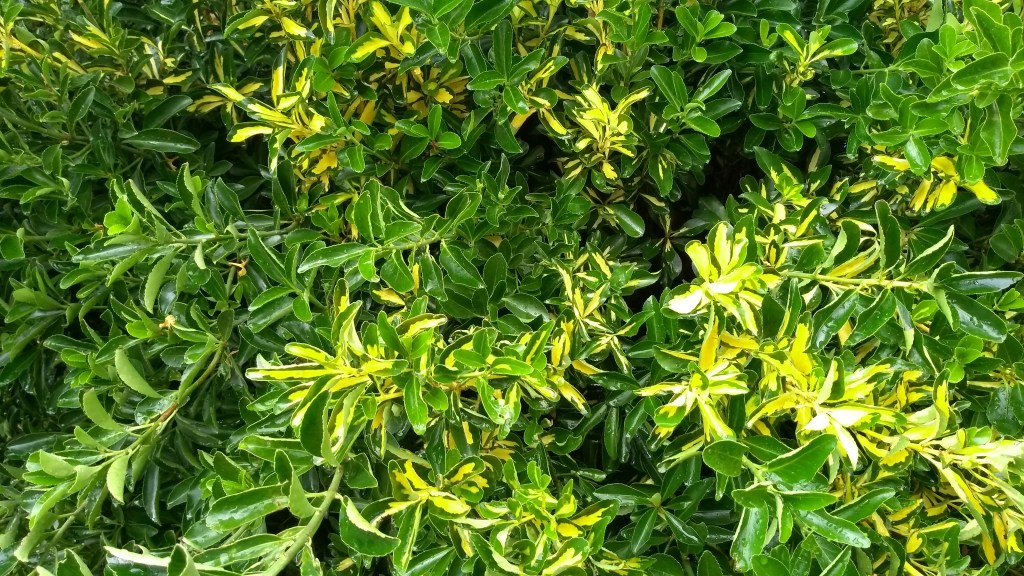
How many shades of green?

Symbolism

Green is a hugely symbolic colour too. Pagan religions from all over the world have symbols, such as the Green Man of North European folklore. These often represent both the power of nature and its sustenance. Green is sometimes related to magic and the presence of spirits too.

There was even a time – within living memory – that green cars were regarded as unlucky (at least that is what my grandmother told me. She was aghast when my father bought a mint green car in the 1970s, but that might just have been a comment on his taste).

Rosslyn Chapel Green Man – photo by Johanne McInnes. (licence CC by 3.0)

More positively, green represents sustainability and environmental responsibility. Green also means progress. Green for go is the universal convention for traffic management and for a safe state of affairs.

All of this symbolism can be directly linked to the colour’s ubiquity, and that is also directly related to the life giving quality of a green pigment called chlorophyll, without which, no complex life on Earth would be possible. You can almost feel the force of life coursing through green spaces in nature.

Green workspaces

Workplaces have been given the green light to re-open as the worst of the pandemic eases. Some have taken the opportunity to go green: plants screens and moss walls are being specified to ensure physical distancing and aid with pedestrian traffic flow.

Other workplaces are embracing the environmental opportunities that are afforded by allowing more people to be home based (for part, or even all of the time), reducing commuting time, emissions and energy bills and being available for those that cannot work anywhere else, or for when face-to-face collaboration is unavoidable. This might even lead to a significant reduction in office space occupancy, as this article in the Guardian recently explained.

Some are looking to a more human-centred future. Instead of offices being a place to go for all work, they might be hubs for collaborative effort: occasional places that are both sociable and productive.

Workplace managers are going to have to consider whole new interactions of disciplines in the very near future: space, furniture, technology, connectivity, restoration and recuperation, and new approaches to managing people.  All will need repackaging to create work environments that people want to use.

Unfortunately, a large number of workplaces are doing their best to recreate the pre-pandemic state, but with perspex and cubicles. A look at some of the FM web sites and magazines shows just how uninspiring some of these places can be. High screens, often in shades of grey, blocking not just the view of a colleague, but preventing views of the broader interior landscape or even through a window. Such spaces are, no doubt, hygienic, but they are also emotionally sterile too.

Maybe, our new-found appreciation of nature and a greater understanding of how we, as animals, respond to the rhythms of the seasons can help us create better working environments as a result.  

In a fragile economy, those organizations willing to invest in creating more humane working cultures will be in the best place to attract and retain eager and talented people.  Fortunately, those investments need not be huge in terms of cash and capital, but instead may require taking a little time to learn and reflect on what has been learned.

If you would like more detailed advice on creating workspaces that are humane and effective, please get in touch.

Stimulating the senses

Thoughts on biophilia and biophilic design (part 1) – it’s as much to do with human physiology as it is an emotional response

I’ve been thinking a lot about why Biophilia and biophilic design has much more to do with evolution and the way our senses work, rather than the emotional response to nature that is so-often suggested. 

Let’s look at one definition of biophilia. The most famous, and most important is that given by EO Wilson – the man who catalysed the development of the concept. In 1984, he defined Biophilia as “…the innate affiliation people seek with other organisms and especially the natural world.”

This is a strong statement.  Wilson also speaks of the human bond with other species, which is beautifully explained in his book. This all suggests that biophilia is essentially an emotional need to connect with nature and natural surroundings. 

Stephen Kellert, the grandfather of biophilic design, spoke of “our physical, emotional and intellectual inclinations for nature and life”. By expressing our need to connect with nature on an emotional level, we instinctively understand the concept.  We remember that being in natural places makes us feel good and that the countryside or woodlands are instantly relaxing.

Bringing nature into our built environment – our offices and cities – is a great response to that feeling of calm we get when in nature. However, let’s examine why being in nature really makes us feel comfortable.

I contend that it isn’t wholly a psychological or emotional need, but much more of a physiological need, based on humanity’s evolutionary history and our origins in the plains of Africa.

If you were to take a mole away from its burrow and place it in an open, sunny garden, such as where we might want to spend some time, it would be stressed, frightened and try to dig a new hole. Its senses are not able to cope with the bright light, the lack of close skin contact and the shrill noises of birdsong.  Millions of years of evolution have produced a creature that thrives in dark, damp, tight tunnels.  This is where it finds food, shelter and other moles with which to mate.  If we were to create an environment for a captive mole, it too would be dark, damp and tight, because that would be the humane thing to do.

A mole would rather be underneath this garden than in it!

When we create environments for humans – offices, for example – we tend to make them very space efficient, very energy efficient and completely unlike the environment where our species has spent over 99% of its evolutionary history. 

Not our natural habitat

Humanity evolved on the plains of Africa.  Wide open spaces with undulating landscapes.  The vegetation was scattered and grew in clusters; water was plentiful and skies were bright. 

Humans use their eyes to look for food and threats – sight is our most developed sense.  Colour perception for us – the part of the spectrum that we can see – enables us to spot shapes (food or danger) against the background of vegetation, and recognise when fruits are ripe. 

Our hearing is fine tuned to the noises of prey animals and the sound of running water.  Our sense of touch helps us to determine the quality of materials that we can use for shelter, and our sense of smell tells us what is safe to eat. Our senses are highly adapted to that environment. Those senses evolved to enable our species to survive.  If we stress our senses, we react as if there is a threat to our survival.  Stress hormones prepare us to fight or flee. Our senses become overwhelmed or under used. 

Biophilic design is the trend of the moment and is associated with wellbeing. However, many designers think mainly, or only, in terms of the emotional, almost spiritual, need to connect with nature. This can be an effective approach, is easily understood and has a lot of merit. 

However, I think we can create more effective spaces if we unpick what we mean by an emotional response and use a sensory approach to design.  Let’s stimulate our senses the way nature intended.

Footnote: some books worth having a look at. Nature by Design, by Stephen Kellert, Biophilia by Edward O Wilson and Biophilic Design be Kellert, Heerwagen, et al