Expert services and consultancy to the interior landscaping industry | The benefits of biophilic design | Green walls | Indoor air quality (RESET AP)
plus insights, thoughts and a blog
Biophilia, etc.
Welcome!
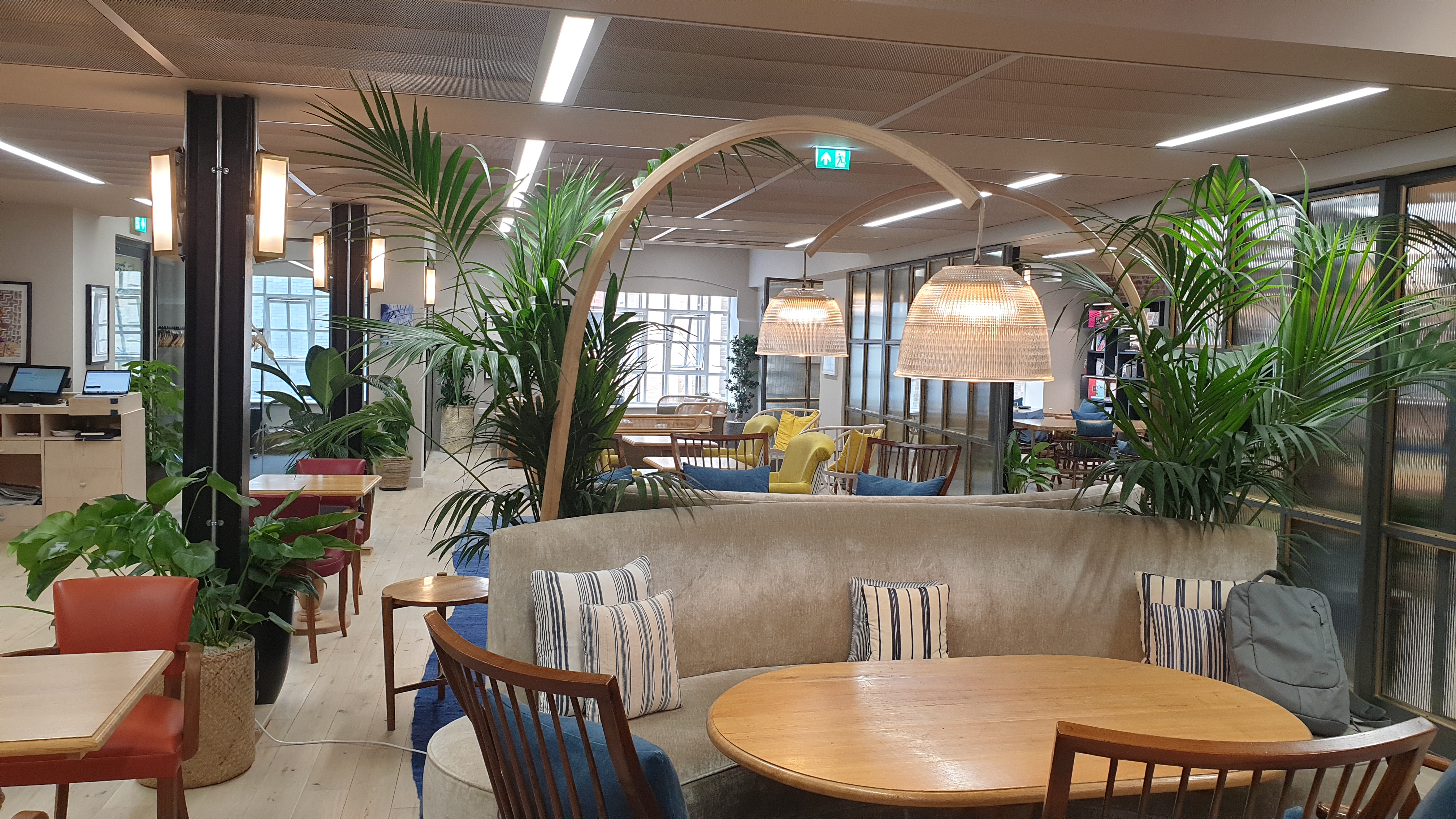
Whenever you put plants in buildings, things get better. I’ve spent the last thirty years finding out why.
Knowledge
I know a lot about indoor plants, interior landscaping and biophilic design. Nothing makes me happier than sharing my knowledge. Through the meaningful use of greenery and all the other elements of biophilic design, I can help …
- interior landscapers
- interior designers
- architects, and
- owners and operators of buildings
… make buildings better places to be in.
Over the last three decades, I have gained knowledge, experience and expertise in a wide variety of disciplines relating to the design and management of healthy working environments. My focus is usually on the benefits of biophilic design, interior landscaping and indoor air quality.
International experience
I also have a great deal of international experience, so wherever you are in the world, I can help you. Please get in touch.
You can find out more about the specific services I offer here, and some details about my clients and partners here.
A blog
The site is also home to a blog. It covers thoughts and ideas about all aspects of wellbeing and biophilic design (especially in the workplace). Please follow me and let me know what you think. Your comments and suggestions are always read.
Social
I also post on Bluesky and LinkedIn as well, so you can let me know your thoughts at any time.
Finally, if you would like to receive emails about my services or special offers, please sign up here.
Thanks for visiting,
Kenneth Freeman
Recent posts on the blog
Get the light right
The evolution of interior landscaping has been affected by modern LED lighting, which lacks essential Far-Red and Near-Infrared wavelengths crucial for both plant health and human well-being. This absence disrupts phytochrome responses in plants, leading to inadequate adaptation strategies and reduced growth efficiency, ultimately compromising their longevity in indoor environments.
Keep readingMore greenery isn’t the same as more biophilic
The interior landscaping industry is thriving due to the increasing demand for greenery in office designs, aimed at enhancing wellbeing and attracting talent. However, the trend of cabinet-top planting reinforces artificiality, lacking true biophilic principles. Embracing nature’s irregularity can foster better connections to the environment, improving overall office spaces.
Keep reading
Houseplants and interior landscaping plants – what’s the difference?
The interior landscaping industry is booming, driven by the demand for biophilic design in office spaces. While houseplants thrive in homes, not all are suitable for commercial environments. Successful interior landscapes require resilient plants adapted to low light and infrequent care. Understanding plant origins and care techniques is essential for designers.
Keep reading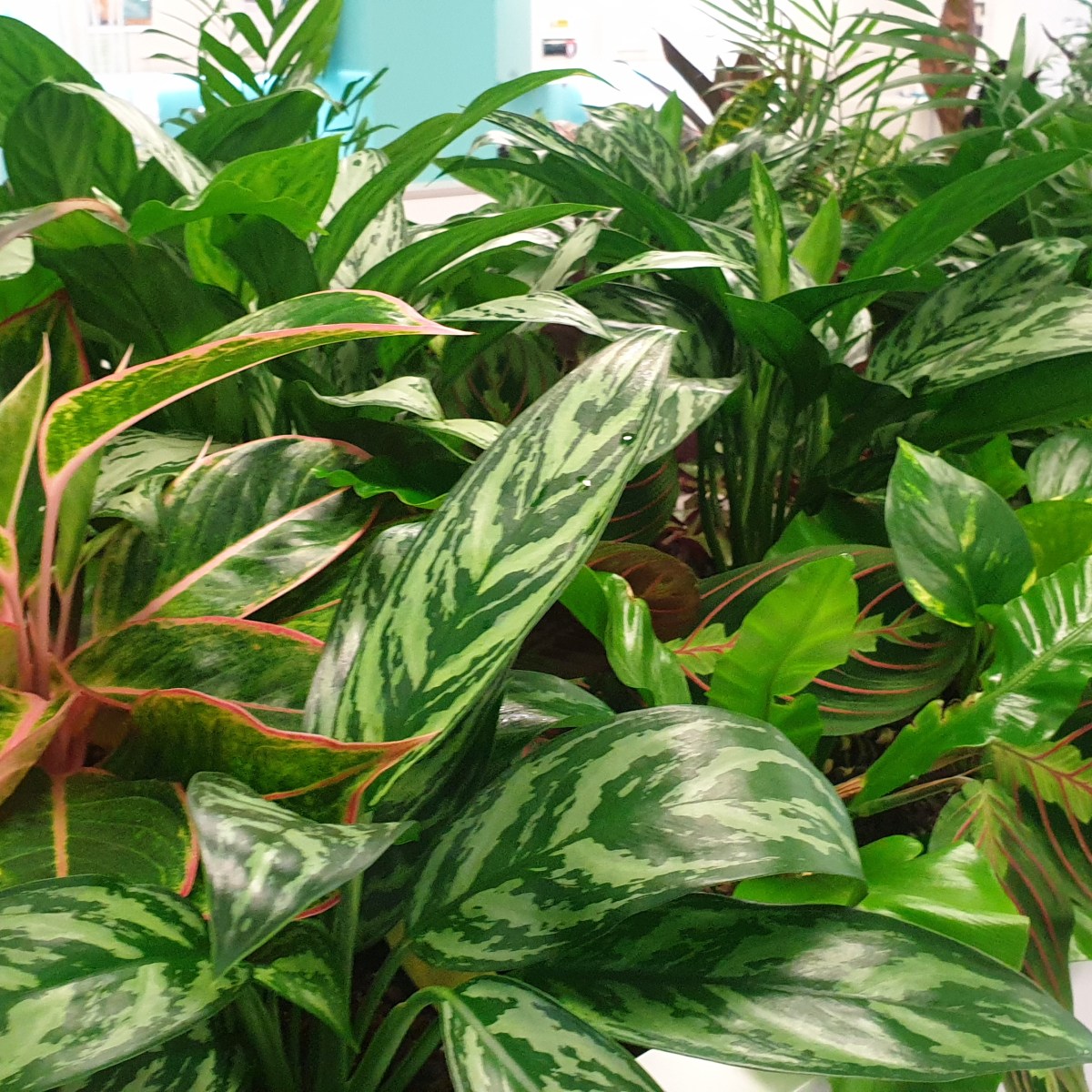
Cabinet-top planters: think of them as horizontal green walls
Over the last few years, office designers have specified cabinet-top planters (sometimes called furniture-based planters). They are rectangular troughs that are designed to hold several small plants – often a mixture of species. These planters are often, they are rather shallow: 150mm to 200mm depth is quite common. They can look great, but they can…
Keep reading
Biophilia in the home: why you should take a warm shower, even if you are clean
In my last post, I wrote about the benefits of incorporating non-rhythmic stimuli into the built environment as a biophilic design intervention. In both the home and the workplace, we can use such stimuli to add an extra dimension to our sensory experiences, which ought to improve our wellbeing and comfort. In the home, one…
Keep reading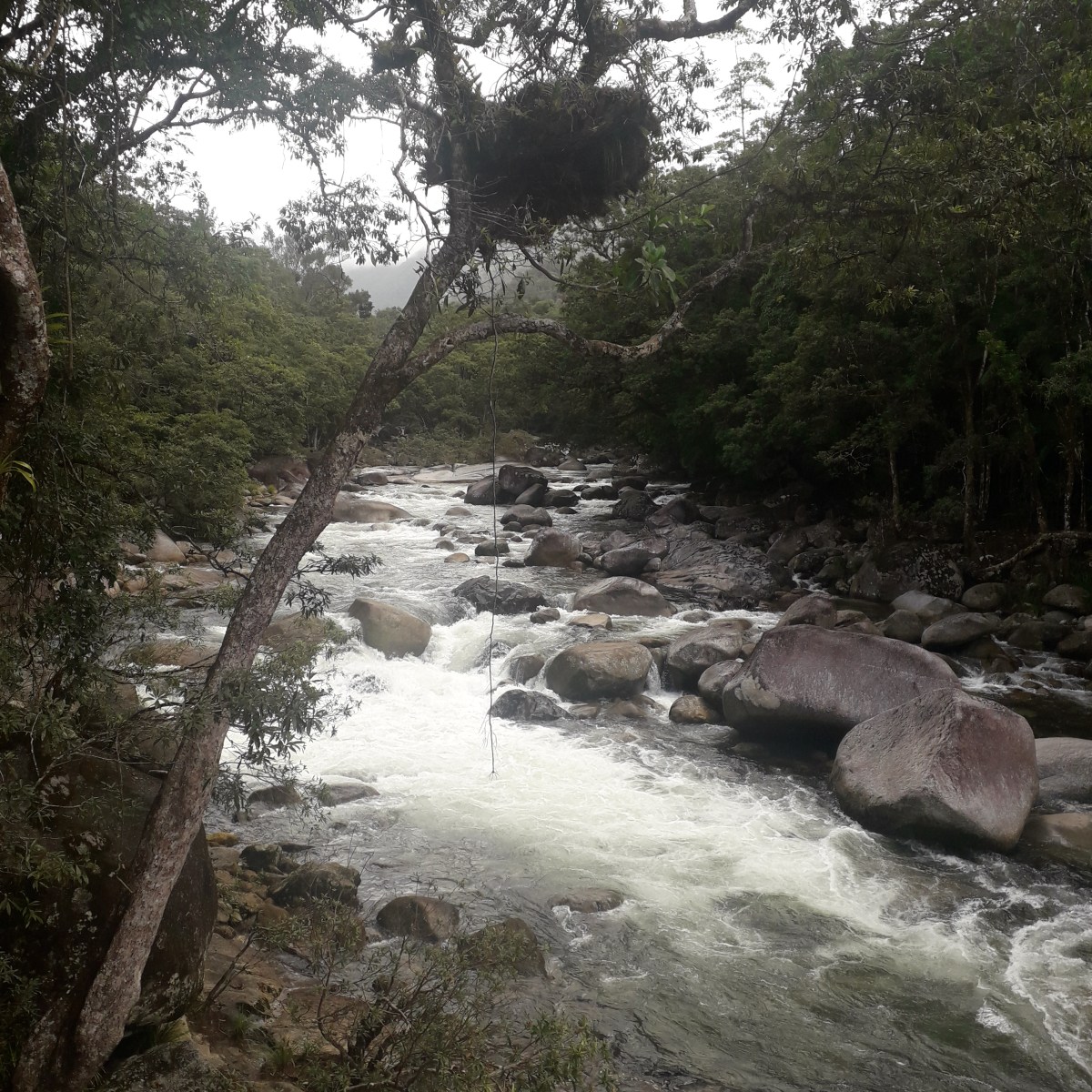
The sounds of falling water and the movement of shadows: the benefits of incorporating non-rhythmic sensory experiences into the built environment
Biophilic design has gained significant traction over the last decade or so as a way to support well-being, improve quality of life in built environments and even improve productivity. For some designers – especially people in my own industry of interior landscaping – this starts and finishes with plants. However, there is much more to…
Keep reading
The biophilic beauty of flames
The increasing popularity of videos featuring open flames highlights a human affinity for fire, despite its impracticality and dangers in urban settings. Biophilic design aims to reconnect individuals with natural stimuli, including flames, enhancing comfort and well-being. Incorporating non-rhythmic sensory elements like simulated fire can create a soothing environment in modern homes.
Keep reading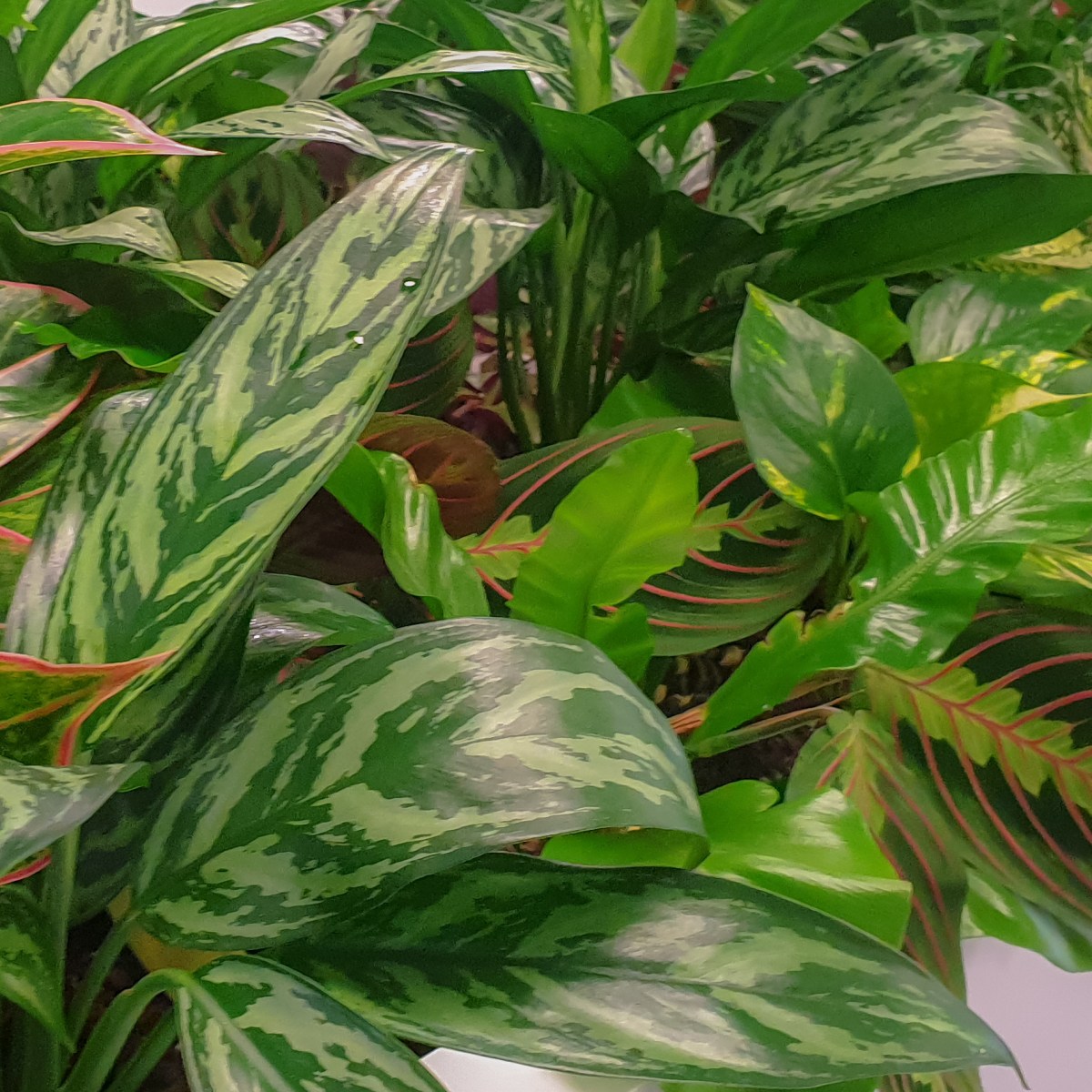
A problem with cabinet-top planters
The demand for office greenery is increasing, highlighting its benefits for workplaces. While elevated plants are visually appealing, they pose challenges for maintenance technicians who face physical strain when caring for them. Interior designers should prioritize manual handling safety, ensuring proper training and considering alternatives like small watering machines for easier maintenance.
Keep reading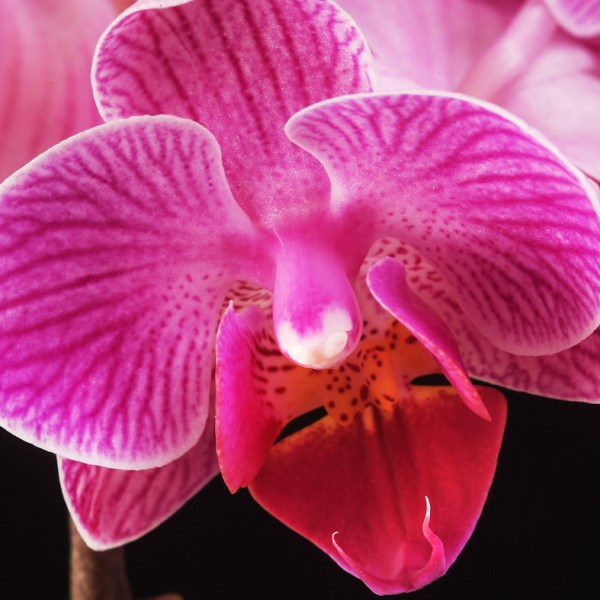
Easy exotica: how to get the best out of your orchids
Thirty years ago, the idea that an orchid could be anywhere other than in a hot house would have been considered as horticultural heresy. Now they are sold in supermarkets for the price of a bottle of wine. Formerly the preserve of specialists with expensive hot houses and specialized composts, advances in tissue culture have…
Keep reading
Autumn challenges for your houseplants
With the autumn equinox here, many people are spending more time away from home, affecting houseplants due to reduced daylight. To care for plants, move them closer to windows, use smart lighting for extra light, and reduce watering and feeding. Most tropical houseplants adapt well, despite seasonal changes.
Keep reading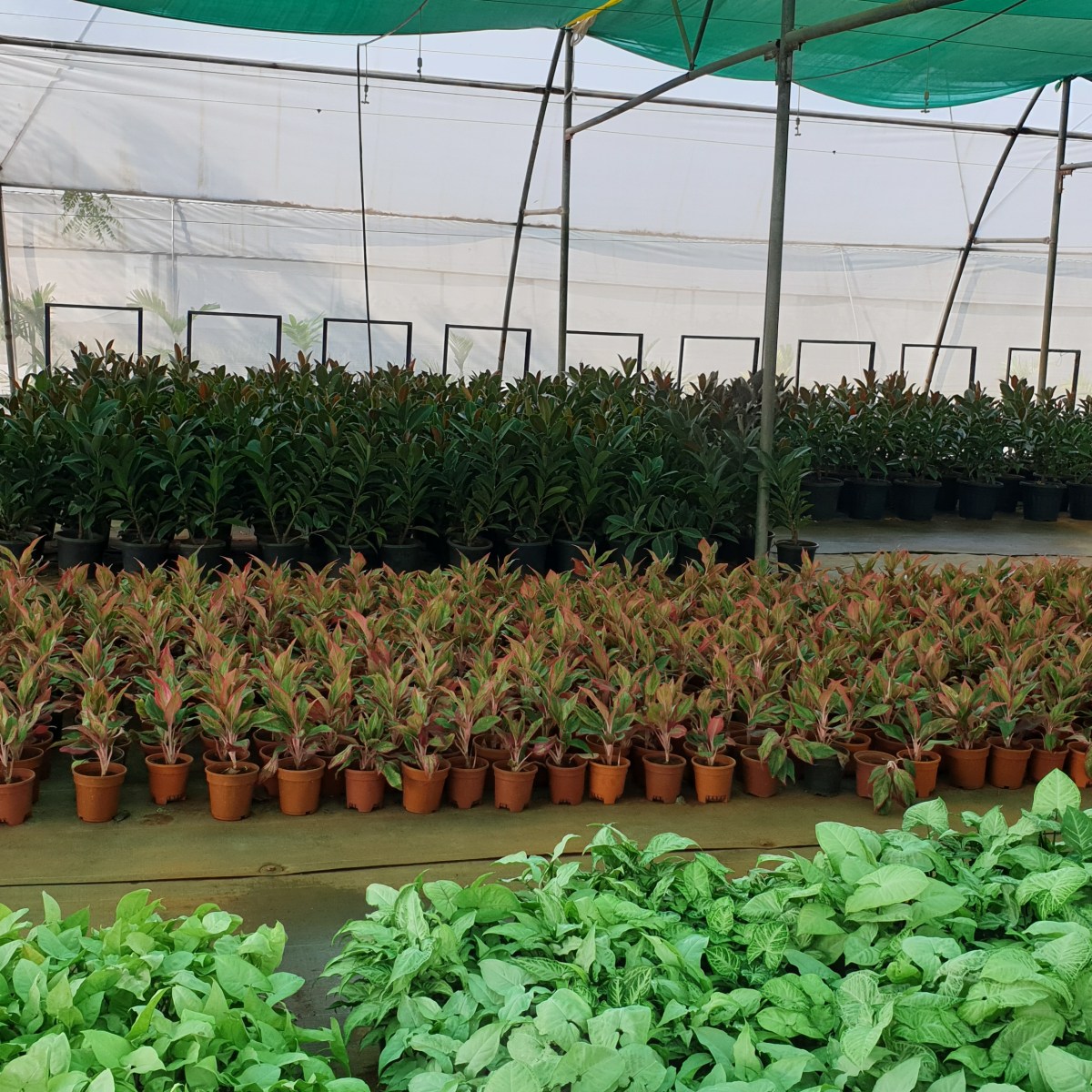
Are plants in buildings really green? The environmental impact of interior landscaping
Biophilic design is all about creating spaces in the built environment that are healthy, happy, engaging and effective. You may know that the reason why biophilic design works is because we create spaces that allow us to rebuild connections to nature and our natural habitat. We enrich our spaces to make the lives of domesticated,…
Keep readingSomething went wrong. Please refresh the page and/or try again.
A quick note about advertising: This web site displays adverts through the WordPress WordAds programme. Purposeful Places does not endorse any of the advertisements you see (and I don’t know what you see – the adverts are placed as a result of a magic algorithm that tries to make the adverts as relevant to you as possible), but the revenue generated from the adverts helps pay for the upkeep of the site and the production of new content. I also include links to relevant products, such as books, that you might find useful or interesting. If you click on a link which takes you through to Amazon, and make a purchase, I may be paid a small commission – this too helps with the upkeep of the site and the production of new content. I hope you don’t mind.
 Kenneth Freeman | Purposeful Places