Houseplants and interior landscaping plants – what’s the difference?

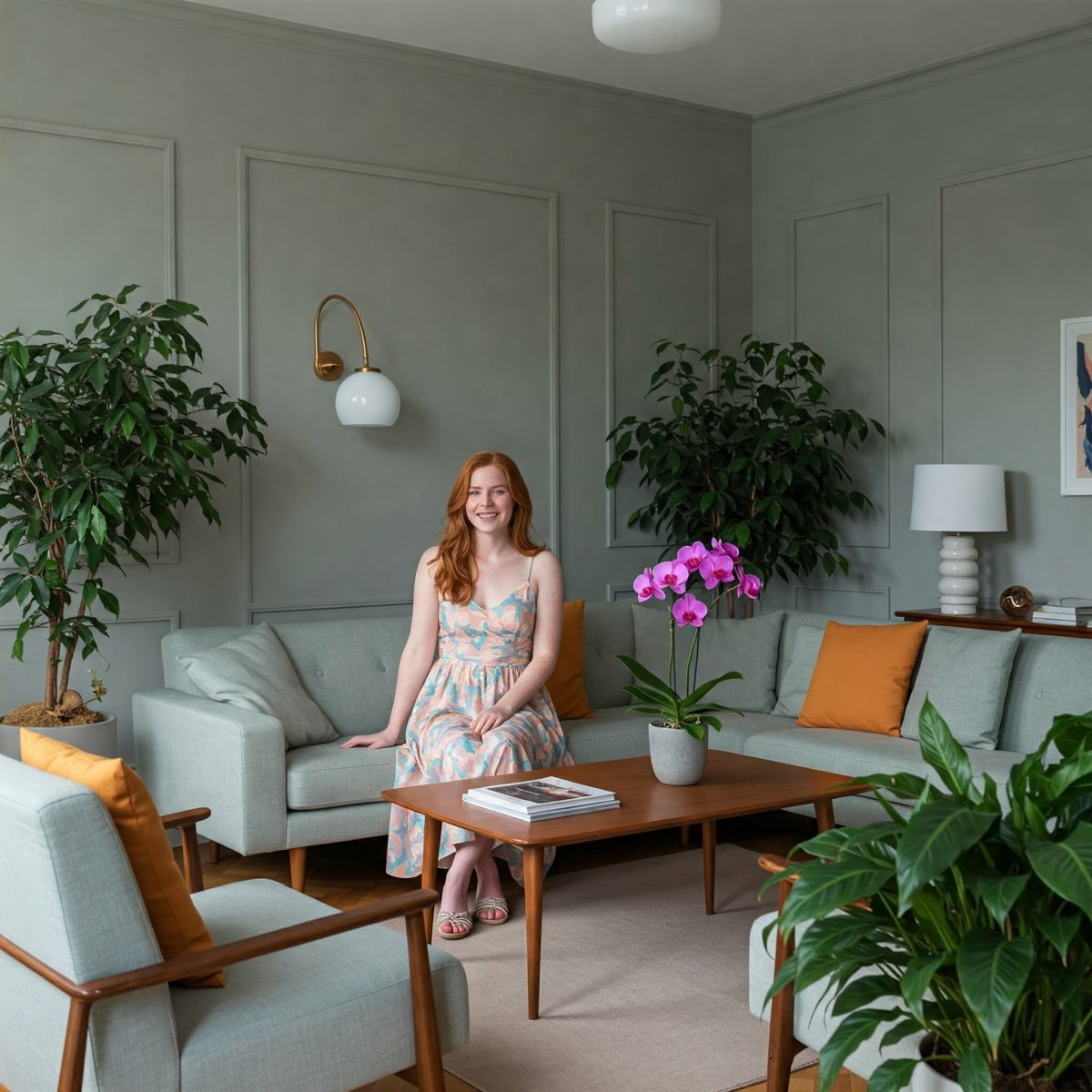
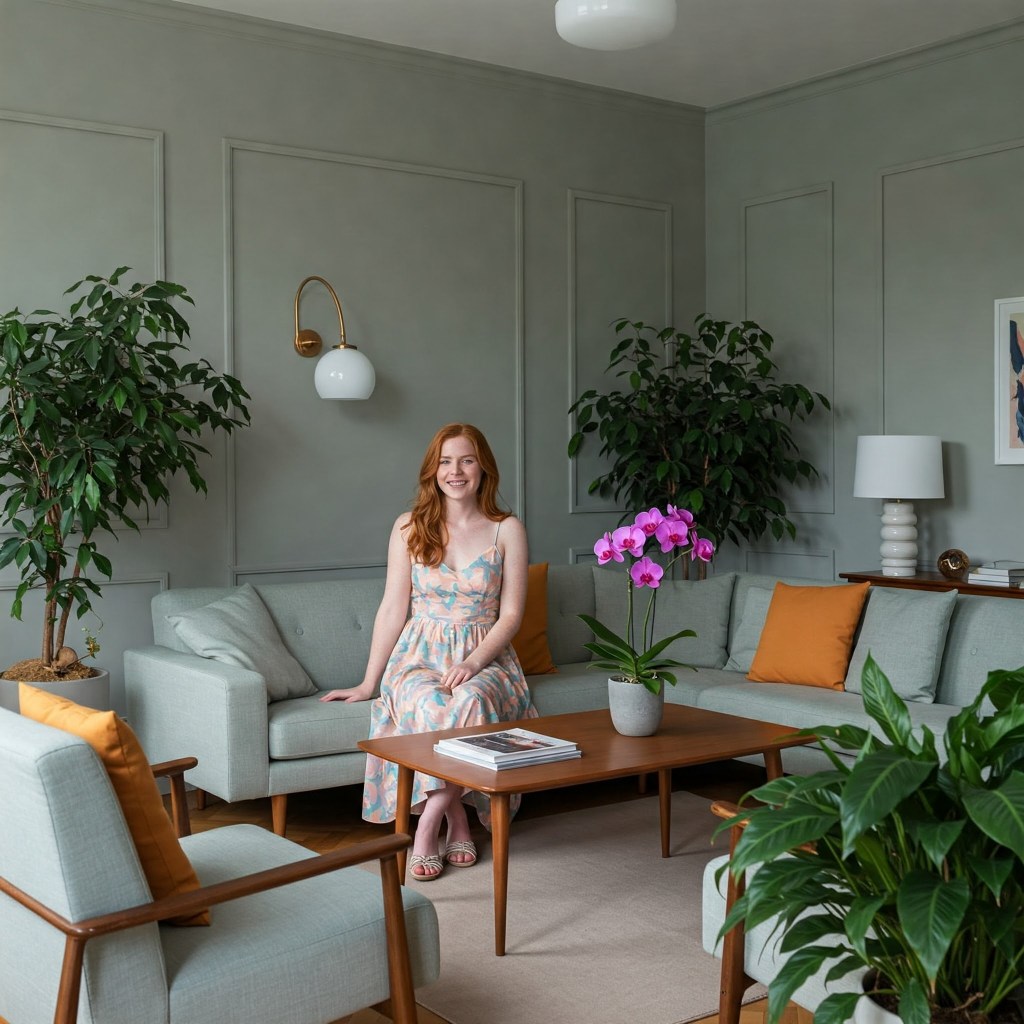
Image of a young woman in a contemporary domestic living room surrounded by houseplants.  Image generated by Bard Imagen ai

Are you a new or aspiring interior landscaping designer? Have you been inspired by the multitude of houseplant influencers that have been promoting the benefits of indoor greenery? Perhaps you are a houseplant enthusiast or influencer and you fancy a new career in commercial interior landscaping. Well, there are some fantastic career opportunities (and I’d be happy to put you in touch with good companies – get in touch). Maybe you run one of the new mail order houseplant companies that has dipped its toes into corporate horticulture. Are you wondering how to do it profitably?

If any of those apply to you, read on. Be prepared for some preconceptions to be challenged.

Read on even they don’t apply – I think you will find the rest of the article interesting anyway.

What has changed?

Over the last few years (pretty much since the end of the pandemic and the drive to get people back into offices), the interior landscaping industry has experienced something of a boom. A lot of interior designers are specifying plants and other elements of biophilic design, which is very welcome. However, many of these designs are clearly inspired by domestic interior design trends and Pinterest boards.

Last week (and not for the first time), I was asked whether the plants suggested by an interior architect would be suitable for an office. I’m afraid the answer was no.

Despite the drive for making offices more welcoming and home-like, using fashionable houseplants in the workplace can pose challenges for the interior landscaper.

Interior designer working on an office design that features plants.  AI-generated image by Bard Imagen 3

All indoor plants have to be adaptable to low light and lack of seasonal variation. Interior landscape plants also have to cope with being in a more hostile environment. Office plants often have to contend with a dry atmosphere, irregular lighting (due to motion sensors), care on a three-weekly service cycle and possible abuse (usually accidental, occasionally malicious) by the users of a building.

On the other hand, houseplants – even if not watered or fed very often – are usually checked quite frequently. Houseplants can be moved around to take advantage of changing environments, treated for pests as soon as they appear, and are looked after as valued members of the household.

All interior landscaping plants will make good houseplants (assuming you have the space and the right environmental conditions). Not all houseplants are suitable for a commercial interior.

Why is that?
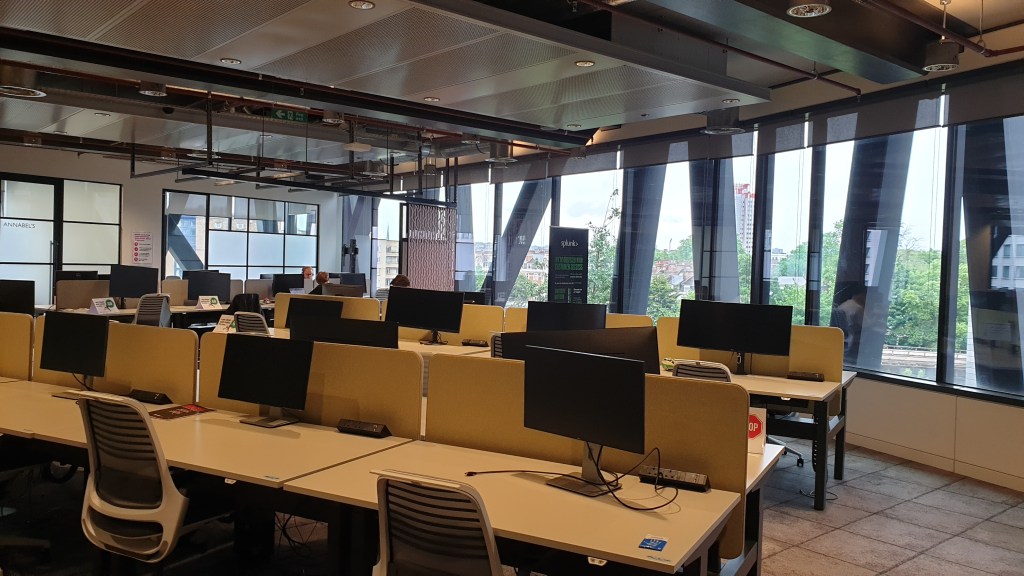
Inside of a modern office building in London.  Image taken by the author.
This is not a house!

Offices and rainforests have a lot in common. The natural origins of indoor plants

There are over a quarter of a million species of flowering plants alive on Earth. About 500 or so will live as houseplants, but interior landscapers tend to use only a fraction of that number.

Understanding something about the natural origins of interior plants will help with the design and specification of successful and resilient planting schemes. It is important for a designer to know about plants’ environmental needs and how they interact with the indoor environment.

The range of plants interior landscapers use comes, broadly, from three distinct climate types. these are the:

  • Rainforests (tropical and subtropical). About 75% of interior plant species have their natural origins there,
  • Semi-arid areas (deserts and semi-deserts), which account for about 20% of interior plant species (including succulents and spiky plants), and
  • Mediterranean climate zones. These include not just the area around the Mediterranean Sea, but also areas with a similar environment, such as California, South Africa (The Cape) and parts of Japan, Taiwan, Chile, Australia and New Zealand (generally at altitude).

The rainforests and semi-arid regions are characterized by very little seasonal variation. This means that plants from these areas are well adapted to interior conditions. Most workplaces have pretty constant conditions all the year round – just like a jungle. The only difference is that instead of lots of rain, the plants are watered by experienced horticultural technicians.

Northern Queensland rainforest, Australia. Image taken by the author
Tropical rainforest in Northern Queensland, Australia
(image by the author)

The differences between a houseplant and an interior landscape plant

A lot of popular houseplants are easy to care for, as long as you don’t mind checking them every few days. They are often quite fast growing and also quite short-lived – although you can often take cuttings. Several species benefit from being moved around the house according to the season and availability of light. They are often quite happy on a windowsill (especially if the house is unoccupied during the day and window light is all they get). Furthermore, dealing with an occasional pest is quite easy – especially if you catch them quickly and can take the necessary time to nurture your plant back to health.

Houseplants are often grown to a different quality standard to those destined for the interior landscaping market. Root systems are often weaker and they have been grown on a nursery to promote lots of lush foliage. This makes them very appealing in a garden centre or DIY store. The retailer isn’t fussed if the plant doesn’t live too long. Most people assume that their dying houseplant is down to their own lack of green fingers. Houseplants are often quite small too, but if you are green fingered, they can be allowed to grow quite big.
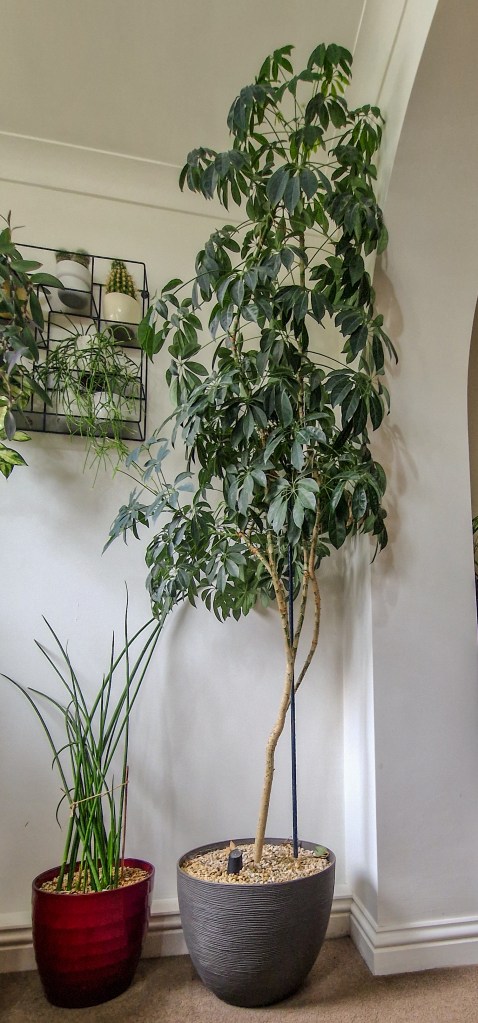
Schefflera arboricola.  13 years ago, this was a cheap plant from a DIY store in a 15cm pot.  Image by the author.
13 years ago, this was a cheap plant in a 15cm pot, which I bought from a DIY store. Now it is well over 2m in height and still growing.

However, if you are a commercial interior landscaper, you need proven, resilient plants. These must be capable of surviving for several years in the hostile environment of an office. They have to be resistant to pests, they shouldn’t grow too quickly and they should be long lived. You also need them to thrive between service visits – and these could be three weeks apart (or more). You also need to use a different set of horticultural techniques, substrates and a different way of setting up the plant displays.

Where to learn more

If you would like more information about indoor plants, have a rummage around this blog. There are lots of posts, and more to come, about indoor greenery.

If you would like advice or training on interior landscaping, get in touch or join my mailing list (see below). You can also find out more about my services and training courses here.

Processing…
Success! You're on the list.

Cabinet-top planters: think of them as horizontal green walls

Cabinet-top planting
Shallow planter mounted on the top of office furniture

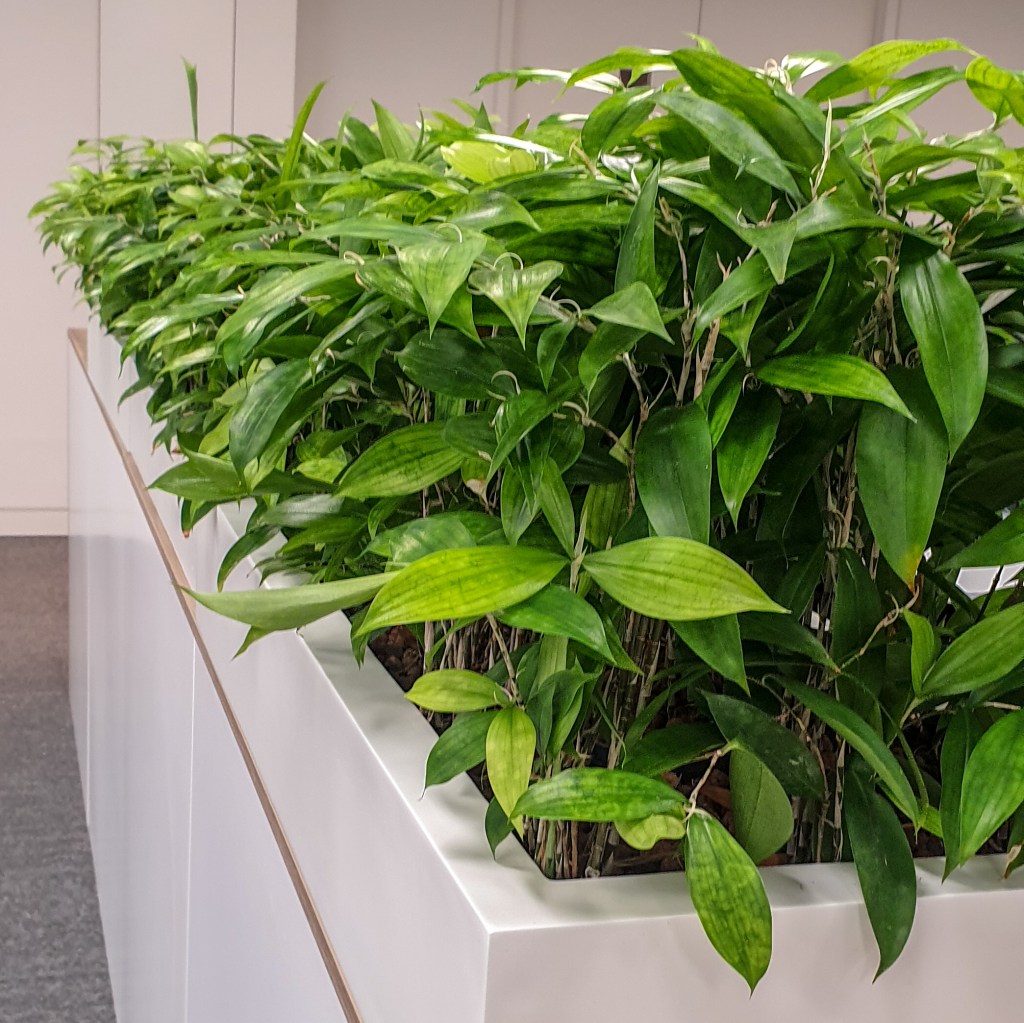
Over the last few years, office designers have specified cabinet-top planters (sometimes called furniture-based planters). They are rectangular troughs that are designed to hold several small plants – often a mixture of species.

These planters are often, they are rather shallow: 150mm to 200mm depth is quite common. They can look great, but they can also have some issues – especially if you have to maintain the plants in them.

I have seen increasing numbers of this type of planting not looking their best after a relatively short time. Sometimes, this is down to having a mix of plants that are incompatible with each other. (I have a training course about that, by the way – please get in touch). However, more often, it seems to be because the planters are very shallow. Office furniture designers – get in touch with a horticulturist (me, for example) before you design your planters. Some of your work is very sub-optimal. Why do you think 150mm depth is adequate?

Most of these planters take large numbers of small plants in a relatively small volume of growing medium. As a result, they tend get through water quite quickly. Because they are quite high (often above shoulder height), they are also tricky to water and groom.

Vulcaponics can work very well with furniture-based planters, but even they can struggle when the planter is especially shallow.

Most commercial interior landscaping companies have a service cycle of two weeks or more (three weeks is common in Europe). This is fine for larger, solo plants displayed in decent-sized planters. Three or even four week watering intervals are no problem, but this is a stretch for such small plants.

It strikes me that the best way to think of these planters is as a horizontal green wall. Green walls have large volumes of small plants in a relatively small space. They work because the watering element of plant care is managed by having an irrigation system, or hydroponic set-up.

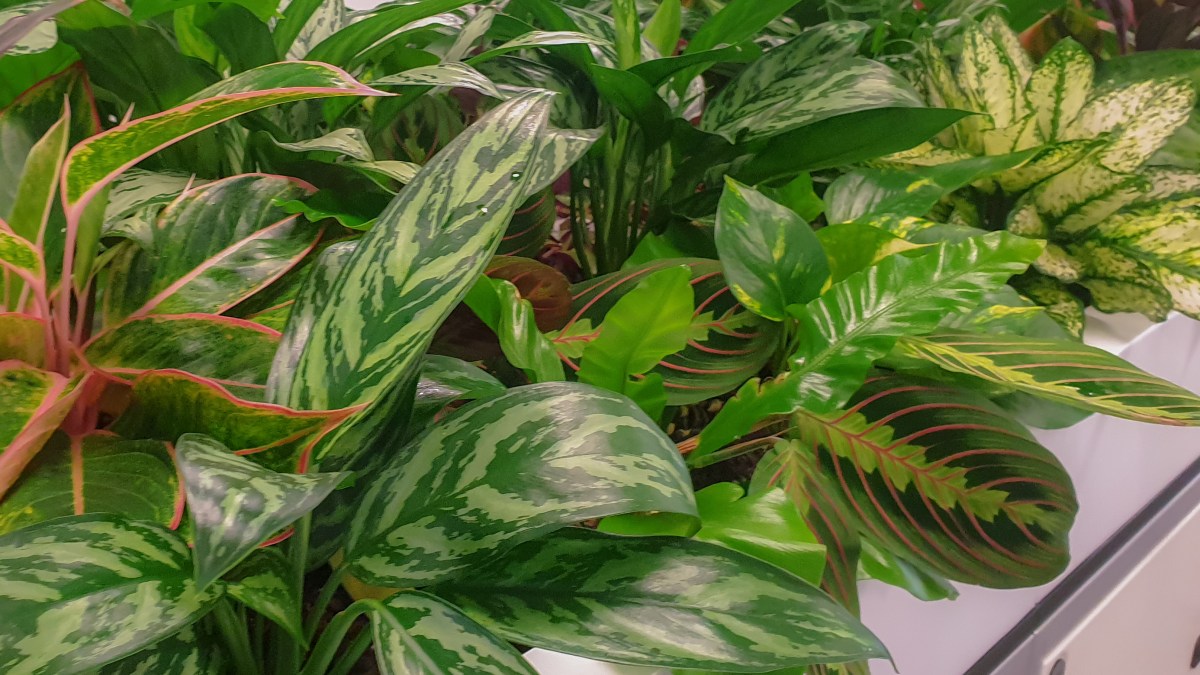
Shallow cabinet-top planter with hydro-culture plants
Shallow cabinet-top planter set up with hydro-culture plants
Image by the author

Interior landscapers: you have options

First, you can shorten your service cycles. This will work, but will be costly. It might make planning of service schedules quite difficult if you have a mix of 2-week and 3-week cycles.

Second, try using more succulents and other low-water plants. This will also work, but you will need to check to make sure the light levels are high enough.

Next, do nothing but make sure you price in much higher plant replacement costs.

Finally, consider using hydro-culture for this type of plant display. This will enable you to stretch your service intervals back to three weeks. You will also solve many of the plant incompatibility issues that would arise from the species having different water requirements when grown in compost. This is the closest to a green wall in terms of care and maintenance.

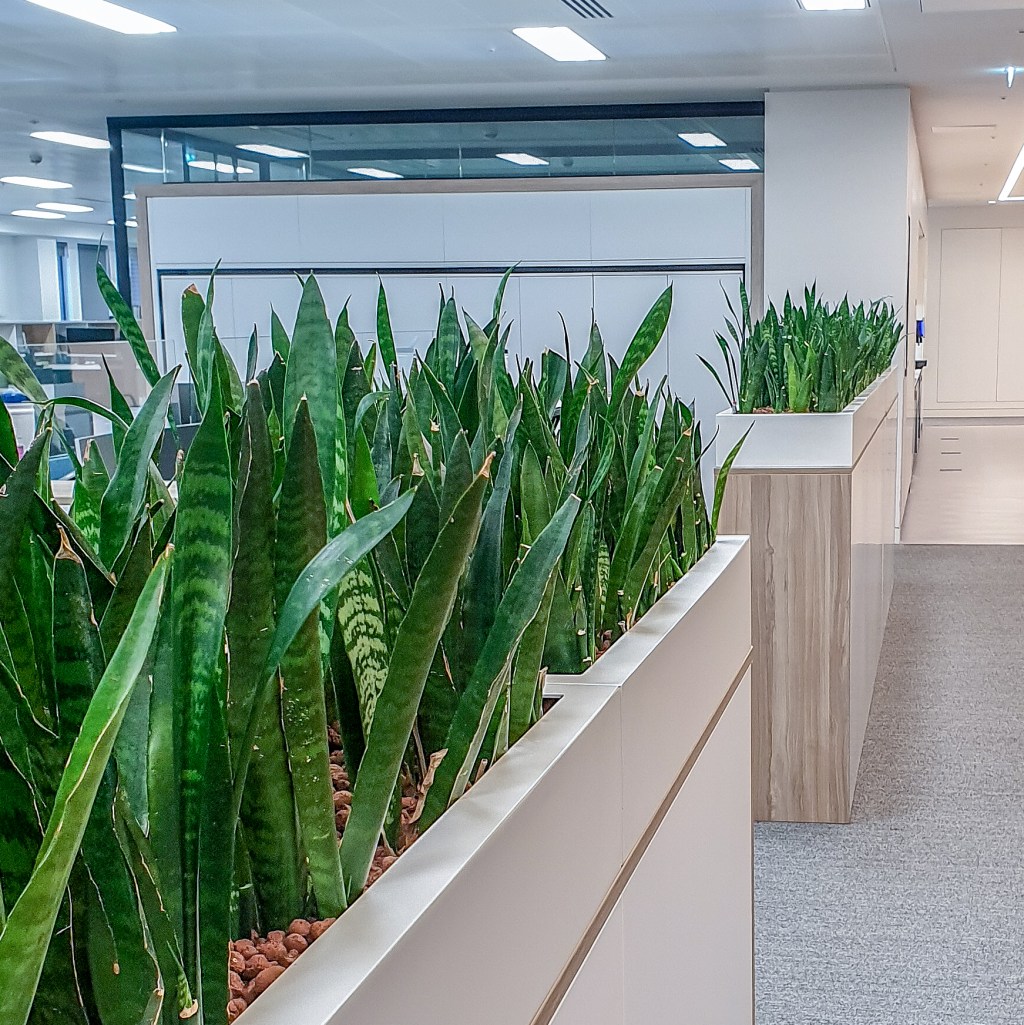
Sansevieria plants in shallow troughs

Get in touch for advice, training or consultancy, whether you are an interior landscaper, designer or furniture supplier – I can help you get it right. Please also sign up to get my emails about my services and training programmes.

Processing…
Success! You're on the list.

The biophilic beauty of flames

Image of two candles with flickering flames
Flames for biophilic heating

One of the most popular videos on Netflix at the moment is an open fire. Logs alight with bright flames dancing and the sound of the wood crackling and popping as the wood burns. Similar videos can be found on You Tube and many other platforms, and they gain millions of views.

For many people, especially those living in urban settings, live fires aren’t possible. Smoke control regulations for good air quality makes lighting a fire unlawful in many circumstances (and can exacerbate poor air quality, especially in the winter). More modern homes, as well as flats and other high-density housing won’t have fire places, so a even if a real fire was desirable, it isn’t going to be possible.

Modern heating systems are much better at distributing warmth around the home, and are probably a lot cheaper than buying in a load of seasoned logs, so flames seem rather redundant.

Yet, we humans seem to have a primeval urge to be drawn to flames. It could be videos, or even the flame effects that you can find on electric fires, or our desire to light candles (or even switch on LED flames in fake candles) to create an atmosphere when a light bulb is far more efficient.

A picture of lighted candles
Photo by Matej Novosad on Pexels.com

Objectively, flames in the home are a terrible idea. They are polluting, inefficient, labour-intensive and can be expensive. If left unattended, they can also be dangerous. A radiator and a light bulb are much easier to live with. So why do we like flames?

Biophilic design is used to make us feel comfortable in the artificial environments of our modern, unnatural homes and workplaces. Reconnecting ourselves with the sensory stimuli that enabled our species to survive in our wild, natural environment means that we can reduce stress and live happier, healthier and more productive lives. One of the elements of biophilic design that is often left out of our buildings is non-rhythmic sensory stimulation.

Non-rhythmic sensory stimulation can manifest itself in many ways – some of which will be expanded upon in future posts – but examples can include the sound of water in streams or rainfall, birdsong, the dynamic use of shadows that move across a space over the period of a day, the feeling of a refreshing breeze on the skin or the pleasure of a warm shower to relax under, rather than just for the utility of hygiene. It can also be found in the movements of flames, the curling of smoke and the irregular popping and crackling of wood.

In buildings, these elements can be incorporated into design. Soundscaping and lighting design can be used creatively. Objects, such as plants and furnishings can be positioned to cast shadows and simulated fire can create feelings of cosy security.

A problem with cabinet-top planters

Close-up of a cabinet-top planter in an office with multiple tropical plants

I see dozens of posts on LinkedIn every day of interior landscapers, from all around the world, showing some of the fantastic projects that they are doing. The desire for office greenery isn’t subsiding and organizations are seeing the benefits of putting plants into the workplace.

This makes me happy.

I also see dozens of posts every day where such greenery is in cabinet-top planters. This too has its positives: the plants are elevated and visible from a distance. The density of foliage is good and it looks a whole lot nicer than piles of paper and other office junk that would otherwise find its way to any available horizontal surface.

This too is a cause for celebration.

But. And there is a but…

Interior designers and interior landscapers, please have a thought for the technicians that have to look after these plant displays. The plants are often at, or above, shoulder height and if you are constantly lifting 10kg – 15kg of water from the floor to that height, and twisting to make sure that the water goes where it is supposed to, you are putting quite a strain on your body. Do that 150 – 200 times a day and you are really going to feel it.

Please make sure your manual handling risk assessments are up-to-date, your manual handling training reflects this type of plant maintenance, and please look for alternatives to watering cans when planning work like this – small watering machines would be a good choice where practicable.

Processing…
Success! You're on the list.

Indoor plants for a quiet life

I recently came across an interesting video, via a post on LinkedIn, on YouTube that explained, with the aid of Nerf guns of all things, how room acoustics could be modified by using different shaped acoustic panels.

The explanation is simple and very elegantly delivered. It also reminded me of some research carried out in the mid 1990s by Dr Peter Costa at Southbank University in London. His research looked at how interior plants can be effective at modifying room acoustics and make loud places quieter.

Noise, especially in offices, can be very distracting and can even cause stress. Mental discomfort, as well as being distracted from the task at hand, can make work unnecessarily tiresome and unproductive.

As people start heading back to the office, they may rediscover the nuisance of noise that might have been missing when working at home. Most homes are actually quite quiet (apart from the noises of children, domestic appliances and pets), and this is because of the amount of soft furnishings, fabrics and carpets that are commonly found.

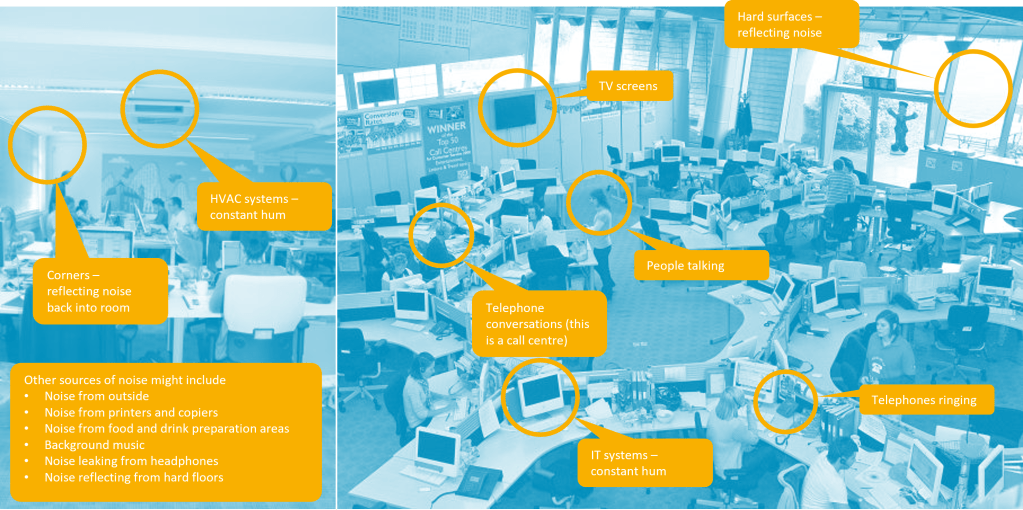
The office, however, is different. Large, open plan spaces with hard surfaces and lots of right angles can be very noisy places. Sound is reflected all over the place and often not well absorbed. Sometimes you can find yourself tuning into a conversation from several desks away just because you happen to be in the path of the sound that is being bounced around the place.

There are very many excellent manufactured acoustic products that can minimize the effects of distracting noise in such places, ranging from fantastically sophisticated computer-controlled sound masking systems, using arrays of microphones and speakers, to simpler (yet still highly effective) products such as acoustic panels that can be placed in just the right places to deaden the noise.

Noise reducing vegetation

Looking again at the video, the key point is that by introducing shapes that disrupt the path of soundwaves as well as absorbing them, is a very effective way of reducing noise. This is where plants can make a useful (and very cost-effective) impact.

Plants are very irregular in shape. Their leaves point in different directions, are often textured, and foliage comes in all sorts of shapes and sizes. Mix up a variety of plant types and you will have surfaces scattering soundwaves all over the place.

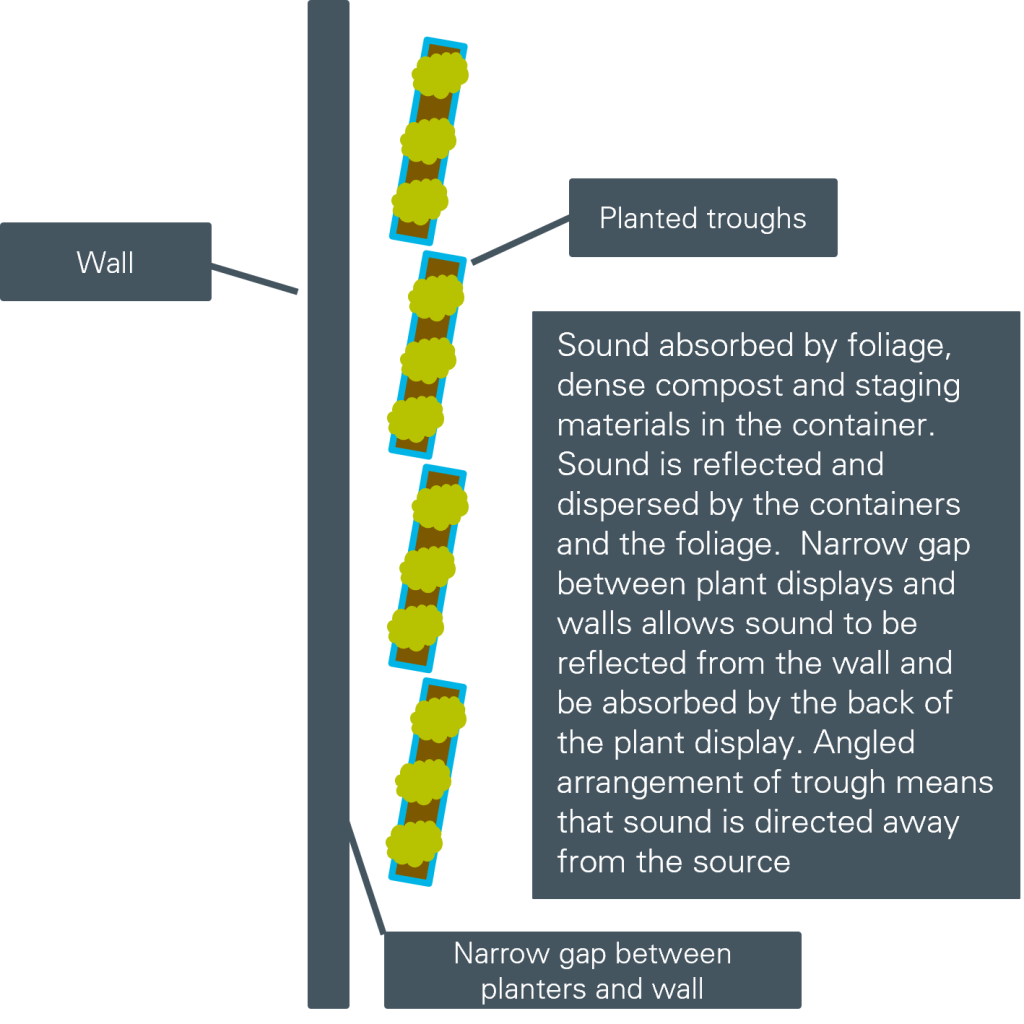
Plants reduce noise by either absorbing sound or by breaking up the sound and scattering it through diffraction and reflection.

Absorption

Plants alter room acoustics by reducing the reverberation time. Plants work better in acoustically live spaces, such as those that have hard surfaces like marble walls, exposed concrete and stone floors.

Diffraction and reflection

At lower frequencies plants may diffract and reflect sound. This is because the leaf size is small by comparison to the noise wavelength. Plants with lots of small leaves are useful as they scatter and diffuse sound. At higher frequencies the leaves may reflect sound towards other surfaces that may then absorb the noise.

By placing plants around a space where noise reflections are most likely to cause problems, you can achieve some meaningful improvements.

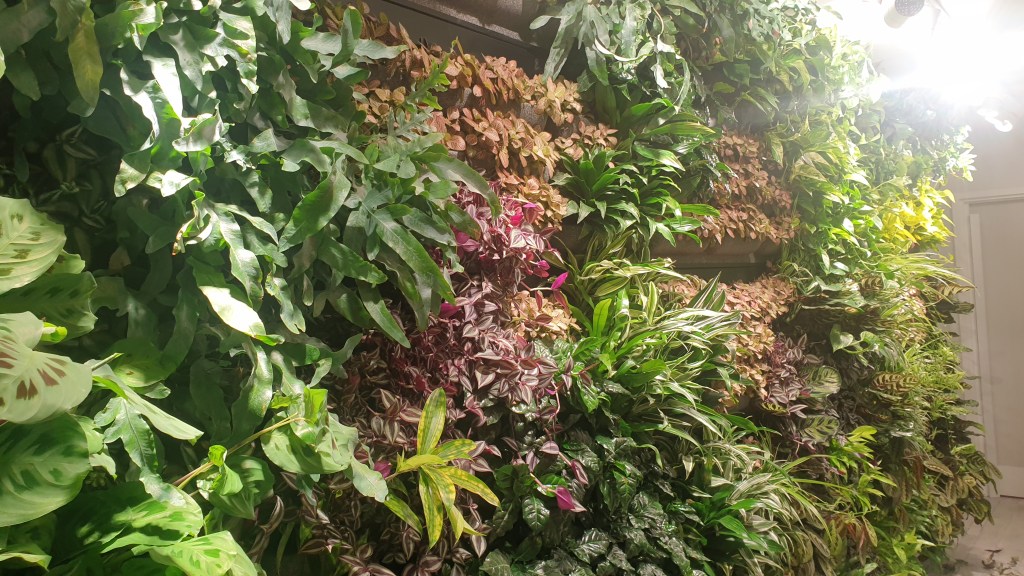
Green walls and moss walls have especially good acoustic properties. Green walls, as well as having a mass of dense foliage, are often mounted on panels made from products such as rockwool or dense foam plastics, both of which have excellent sound absorbing properties in their own right.

Green wall in the UK, designed by the author and installed by SH Goss and Co. Ltd

Moss walls are an excellent choice where a live plant green wall is not practical. The shape of moss deflects sound, whilst the texture of soft moss absorbs sound. Mounting materials also have some acoustic properties and, as they cover a large surface area, they absorb sound at different heights and from all directions.

Moss wall by Metiez Moss, Netherlands

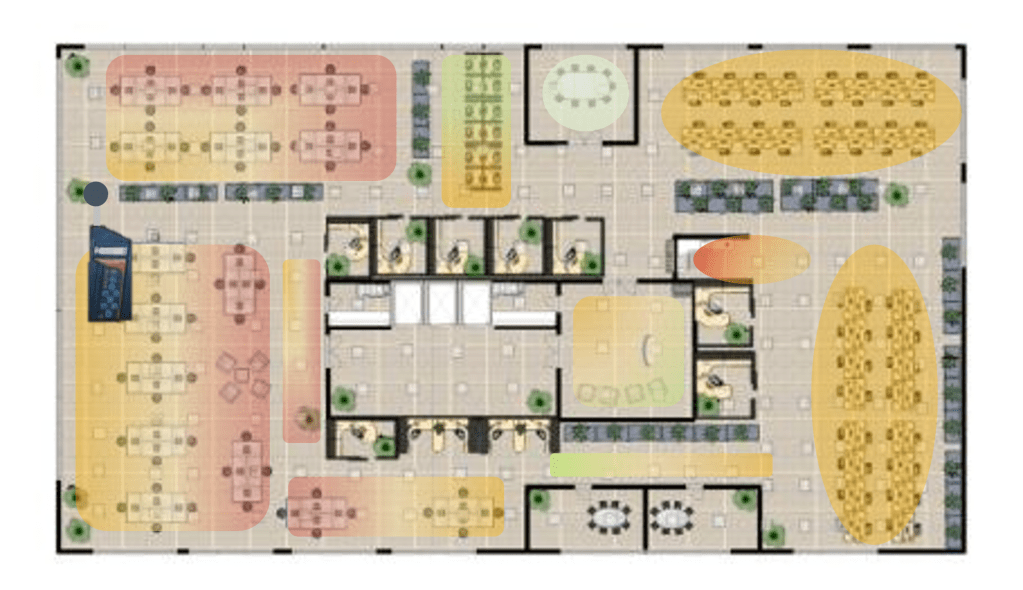
As discussed earlier, noise levels in a large space are often not uniform. There are multiple noise sources, and the sound from any particular noise source can be magnified or focused some way from its origin due to the layout of the space. Sound might be reflected in one direction and blocked from going elsewhere. A distracting noise might be perceived some distance from its source. Sometimes the only way to be sure of where noise is coming from is to take some objective measurements with a noise meter and map where the noise ‘hotspots’ are found.

Measure the noise levels all around space, ideally when noise levels are typical for the location (e.g. during normal working hours for offices). You can create a map of the noise levels on a floor plan of the space by noting where noise levels are especially high or low. Then, try and identify the sources of the noise as well as where the noise is loudest (as discussed earlier – that isn’t necessarily the same place.

schematic of an open plan office floor plan
schematic of an open plan office with noise hotspots mapped

Noise meters are relatively inexpensive, and there are some quite useful apps for smartphones too that can be quite accurate (and are certainly capable enough to be able to measure relative differences in noise from place to place).

Once you have a map of noise levels and sound sources, then you can think about where vegetation will have its greatest impact.

Green multi-taskers

As well as being excellent noise management tools, don’t forget that plants in buildings have a multitude of other benefits, not least their ability to improve wellbeing (and workplace effectiveness) when used as part of biophilic design.

For more information about how plants can make buildings better places to be, please get in touch. I can help building managers with your properties, or interior designers and interior landscapers seeking to add evidence-based value to your designs.