Are you a new or aspiring interior landscaping designer? Have you been inspired by the multitude of houseplant influencers that have been promoting the benefits of indoor greenery? Perhaps you are a houseplant enthusiast or influencer and you fancy a new career in commercial interior landscaping. Well, there are some fantastic career opportunities (and I’d be happy to put you in touch with good companies – get in touch). Maybe you run one of the new mail order houseplant companies that has dipped its toes into corporate horticulture. Are you wondering how to do it profitably?
If any of those apply to you, read on. Be prepared for some preconceptions to be challenged.
Read on even they don’t apply – I think you will find the rest of the article interesting anyway.
What has changed?
Over the last few years (pretty much since the end of the pandemic and the drive to get people back into offices), the interior landscaping industry has experienced something of a boom. A lot of interior designers are specifying plants and other elements of biophilic design, which is very welcome. However, many of these designs are clearly inspired by domestic interior design trends and Pinterest boards.
Last week (and not for the first time), I was asked whether the plants suggested by an interior architect would be suitable for an office. I’m afraid the answer was no.
Despite the drive for making offices more welcoming and home-like, using fashionable houseplants in the workplace can pose challenges for the interior landscaper.
All indoor plants have to be adaptable to low light and lack of seasonal variation. Interior landscape plants also have to cope with being in a more hostile environment. Office plants often have to contend with a dry atmosphere, irregular lighting (due to motion sensors), care on a three-weekly service cycle and possible abuse (usually accidental, occasionally malicious) by the users of a building.
On the other hand, houseplants – even if not watered or fed very often – are usually checked quite frequently. Houseplants can be moved around to take advantage of changing environments, treated for pests as soon as they appear, and are looked after as valued members of the household.
All interior landscaping plants will make good houseplants (assuming you have the space and the right environmental conditions). Not all houseplants are suitable for a commercial interior.
Why is that?
This is not a house!
Offices and rainforests have a lot in common. The natural origins of indoor plants
There are over a quarter of a million species of flowering plants alive on Earth. About 500 or so will live as houseplants, but interior landscapers tend to use only a fraction of that number.
Understanding something about the natural origins of interior plants will help with the design and specification of successful and resilient planting schemes. It is important for a designer to know about plants’ environmental needs and how they interact with the indoor environment.
The range of plants interior landscapers use comes, broadly, from three distinct climate types. these are the:
Rainforests (tropical and subtropical). About 75% of interior plant species have their natural origins there,
Semi-arid areas (deserts and semi-deserts), which account for about 20% of interior plant species (including succulents and spiky plants), and
Mediterranean climate zones. These include not just the area around the Mediterranean Sea, but also areas with a similar environment, such as California, South Africa (The Cape) and parts of Japan, Taiwan, Chile, Australia and New Zealand (generally at altitude).
The rainforests and semi-arid regions are characterized by very little seasonal variation. This means that plants from these areas are well adapted to interior conditions. Most workplaces have pretty constant conditions all the year round – just like a jungle. The only difference is that instead of lots of rain, the plants are watered by experienced horticultural technicians.
Tropical rainforest in Northern Queensland, Australia (image by the author)
The differences between a houseplant and an interior landscape plant
A lot of popular houseplants are easy to care for, as long as you don’t mind checking them every few days. They are often quite fast growing and also quite short-lived – although you can often take cuttings. Several species benefit from being moved around the house according to the season and availability of light. They are often quite happy on a windowsill (especially if the house is unoccupied during the day and window light is all they get). Furthermore, dealing with an occasional pest is quite easy – especially if you catch them quickly and can take the necessary time to nurture your plant back to health.
Houseplants are often grown to a different quality standard to those destined for the interior landscaping market. Root systems are often weaker and they have been grown on a nursery to promote lots of lush foliage. This makes them very appealing in a garden centre or DIY store. The retailer isn’t fussed if the plant doesn’t live too long. Most people assume that their dying houseplant is down to their own lack of green fingers. Houseplants are often quite small too, but if you are green fingered, they can be allowed to grow quite big.
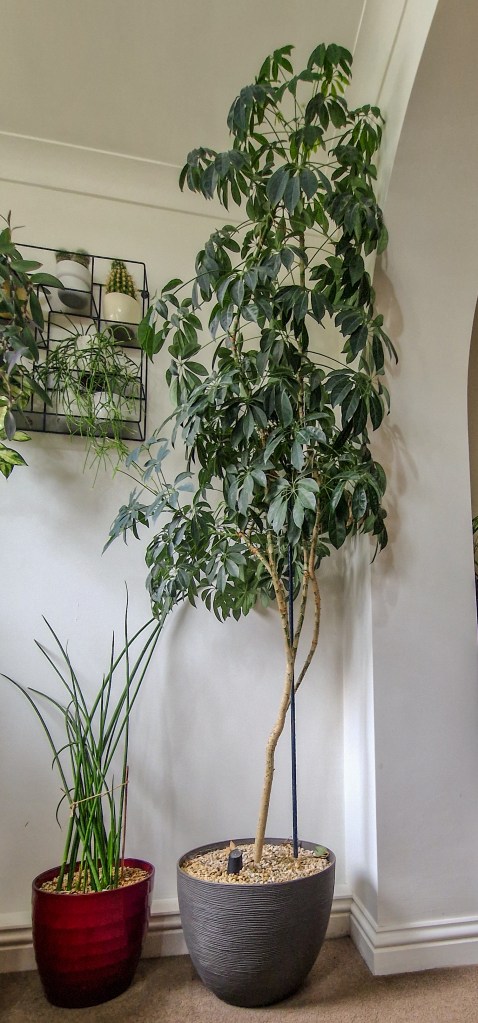
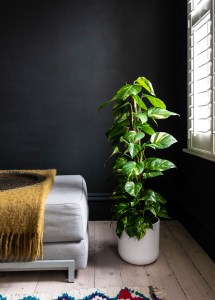
13 years ago, this was a cheap plant in a 15cm pot, which I bought from a DIY store. Now it is well over 2m in height and still growing.
However, if you are a commercial interior landscaper, you need proven, resilient plants. These must be capable of surviving for several years in the hostile environment of an office. They have to be resistant to pests, they shouldn’t grow too quickly and they should be long lived. You also need them to thrive between service visits – and these could be three weeks apart (or more). You also need to use a different set of horticultural techniques, substrates and a different way of setting up the plant displays.
Where to learn more
If you would like more information about indoor plants, have a rummage around this blog. There are lots of posts, and more to come, about indoor greenery.
If you would like advice or training on interior landscaping, get in touch or join my mailing list (see below). You can also find out more about my services and training courses here.
Processing…
Success! You're on the list.
Whoops! There was an error and we couldn't process your subscription. Please reload the page and try again.
Thirty years ago, the idea that an orchid could be anywhere other than in a hot house would have been considered as horticultural heresy. Now they are sold in supermarkets for the price of a bottle of wine. Formerly the preserve of specialists with expensive hot houses and specialized composts, advances in tissue culture have made the propagation and care of orchids an inexpensive way of getting exotic blooms into any building.
About orchids
The orchid family is one of the largest plant families, with approximately 28,000 species growing in almost every habitat – including a few wild species in the UK. To illustrate how big a family of plants that is, more than 10% of flowering plant species are orchids.
European interest in orchids started in the late 16th Century, when explorers collected plants from their native habitats and brought them back to Europe. By the late 19th Century, their cultivation had become something of an obsession with wealthy collectors, who paid high prices for new varieties and built special glasshouses to keep them.
Most of the orchids grown indoors have their natural origins in the tropics and subtropics, where they grow as epiphytes (meaning that they cling onto the trunks and branches of trees) or lithophytes (growing on rocks and cliff faces).
Many orchid species and hybrids are commercially available, and can be grown as house-plants. The mystique that used to surround their cultivation has all but disappeared, and expensive hot-houses are no longer required except for the most exotic and rare plants.
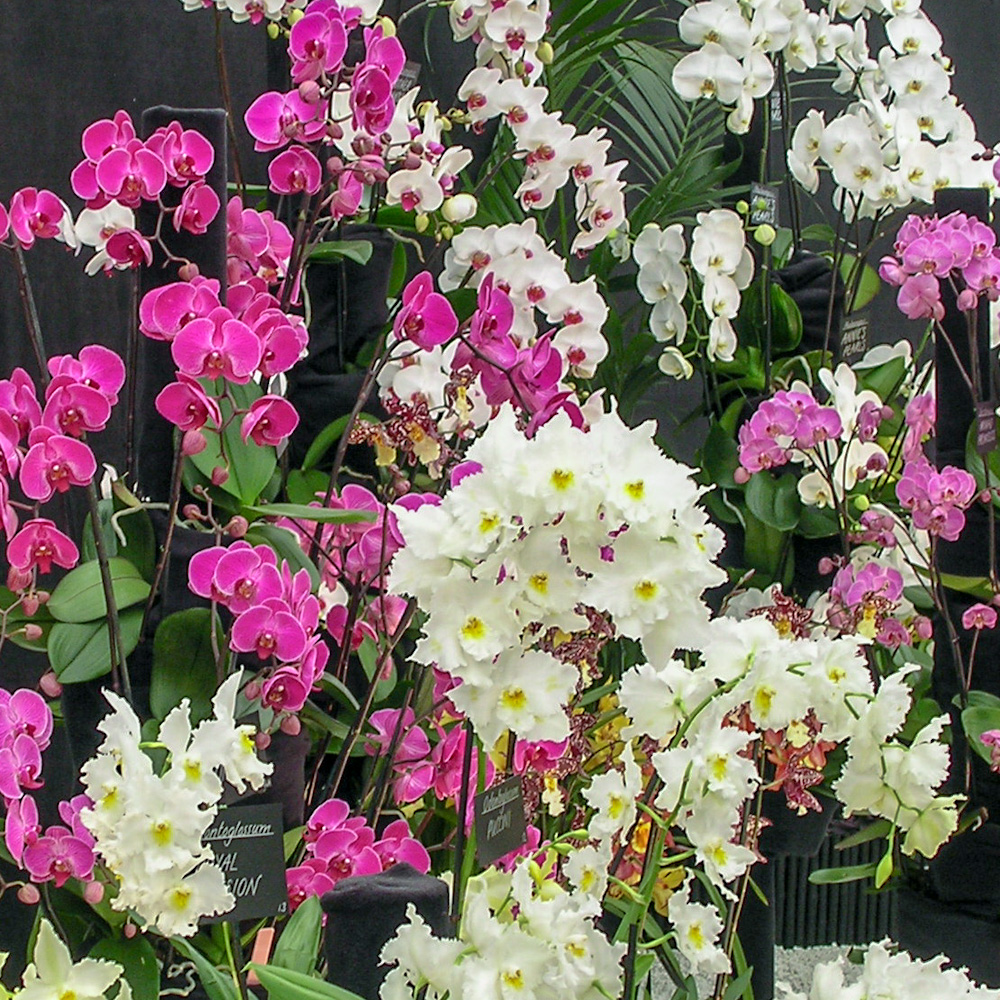
Orchid display at the RHS Chelsea Flower Show
Amongst the most popular indoor species are:
Dendrobium, from China, the Himalayas, Southeast Asia and Tropical parts of Australia (the name literally means ‘living on a tree’, which describes its epiphytic habit rather well).
Miltonia, a native of Central America named after the Englishman, Lord Fitzwilliam Milton, and which are often known as Pansy Orchids, for the shape of their large flowers.
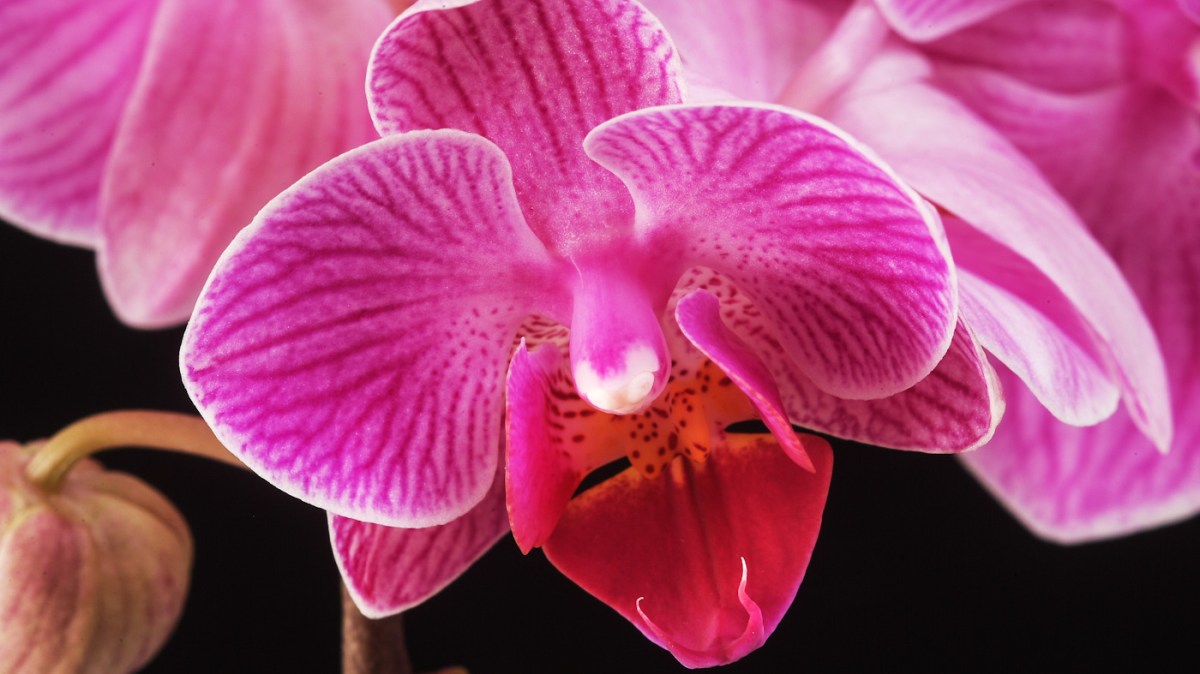
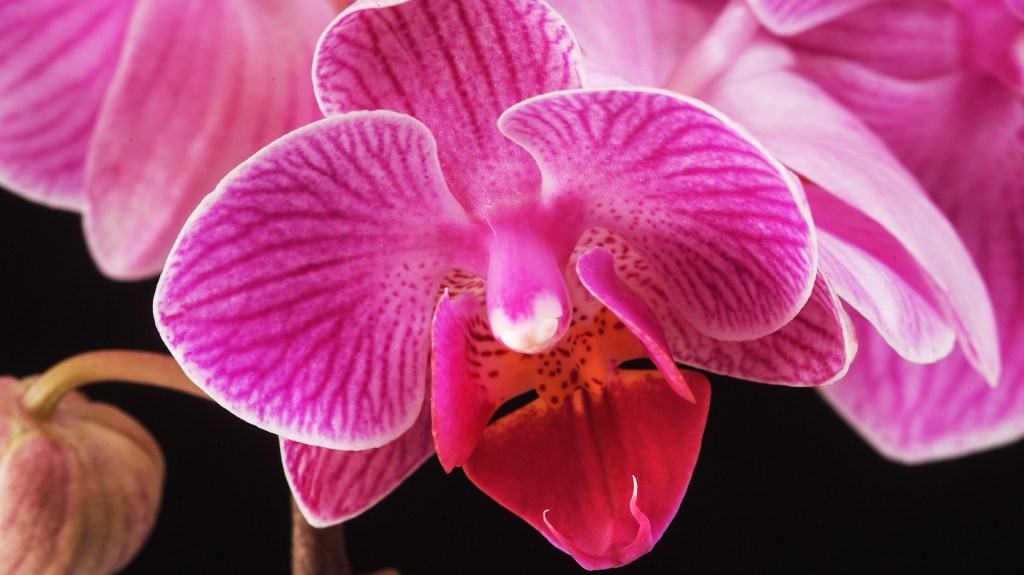
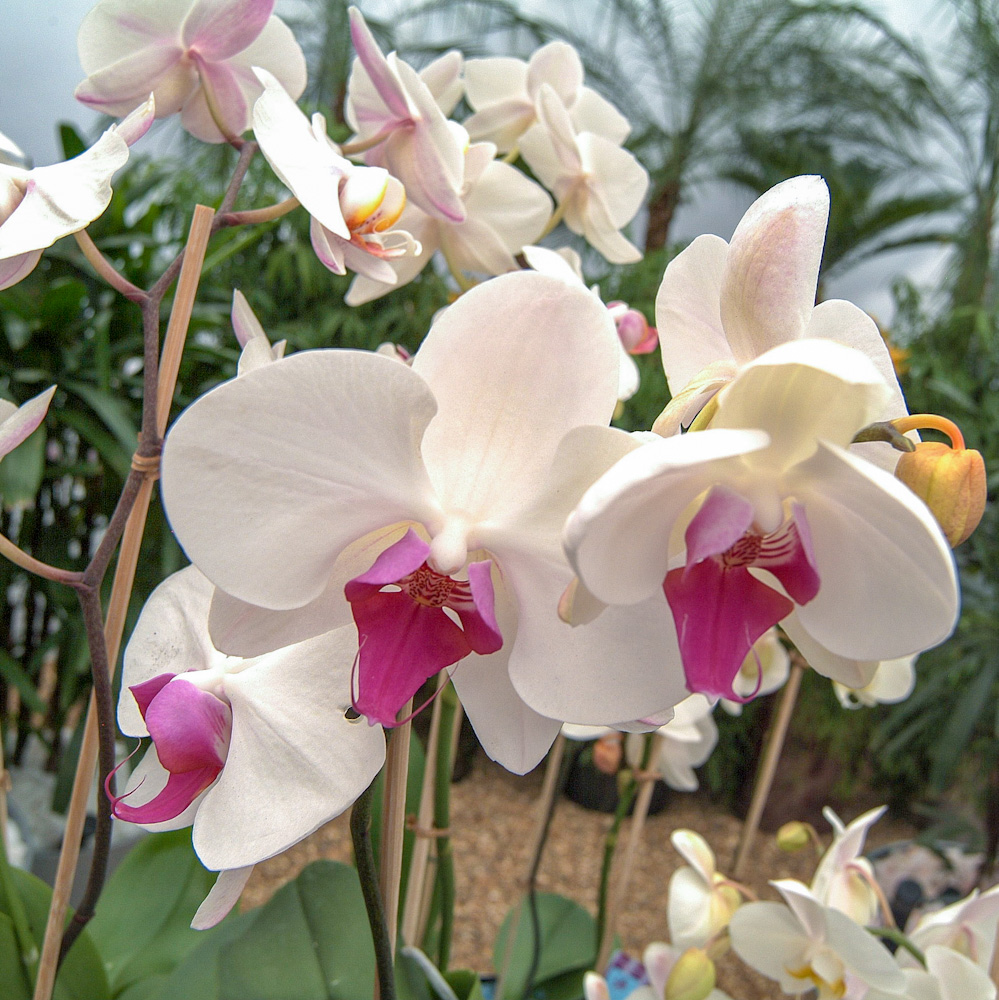
Phalaenopsis, the moth orchids, are found growing wild on the Pacific Islands of Borneo, Java and the Philippines. The name Phalaenopsis means ‘moth-like’. They are the easiest orchids of all to keep as houseplants, and we will concentrate on them in this article.
Dendrobium nobile often produces large numbers of highly scented blooms on long canes called pseudobulbs. Spectacular these may be, but the blooms are very short-lived, and when not in flower, they are not especially attractive to look at.
Phalaenopsis and Miltonia hybrids are similar in many respects. The flowers, whilst appearing very delicate, are surprisingly long-lasting (due to the scarcity of pollinators in the wild), and the plants are very robust when grown as house-plants.
Phalaenopsis orchids (pronounced fa-leh-NOP-siss) are especially recommended for their visual appeal, and comparative ease of care. In good conditions, Phalaenopsis will flower for several weeks. Miltonia, though similar, produces very large flowers that really need some space to display them to their best advantage.
How to care for Phalaenopsis orchids
Displaying in a decorative pot
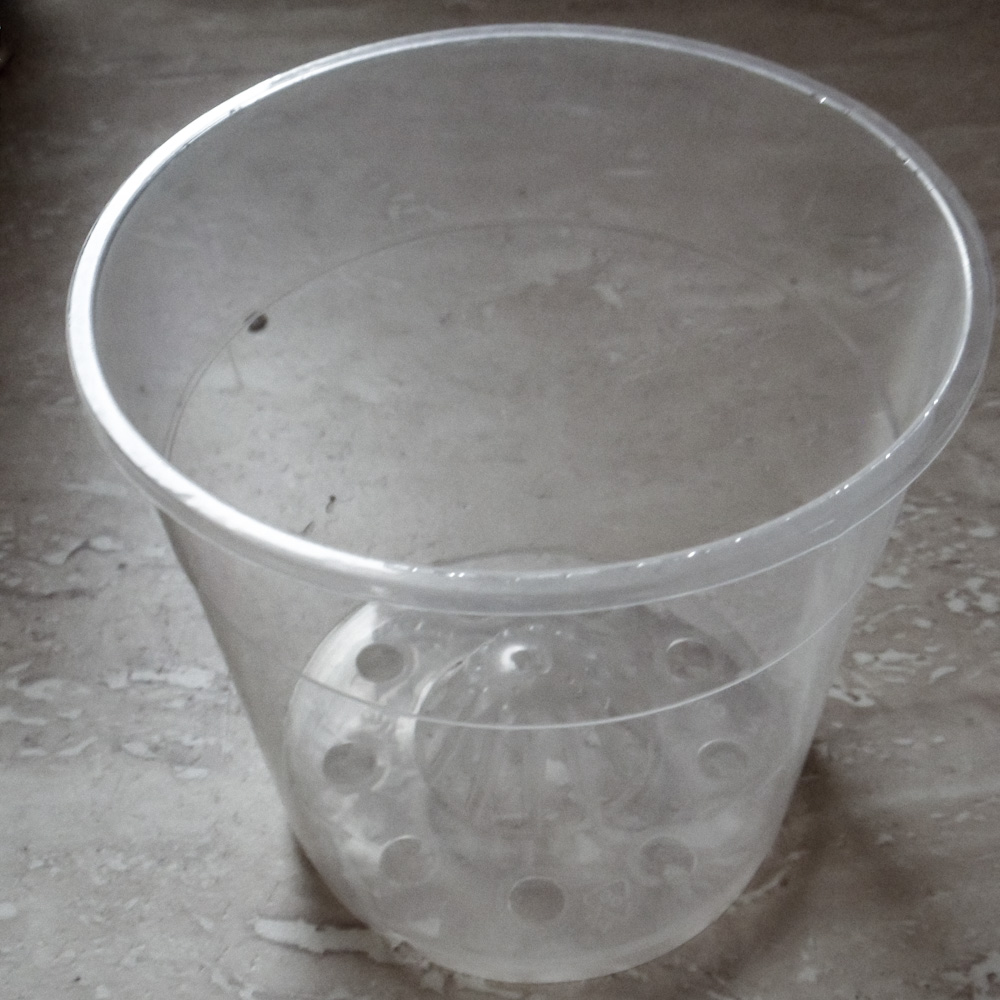
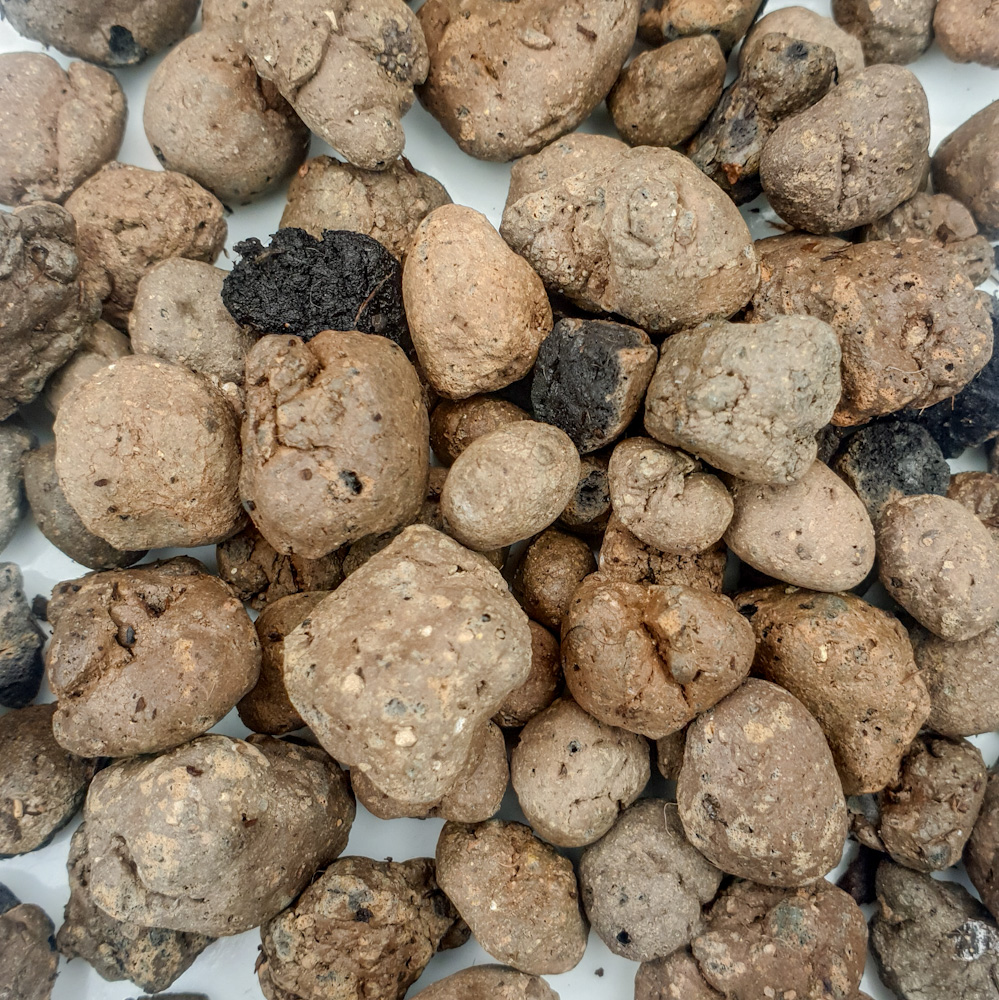
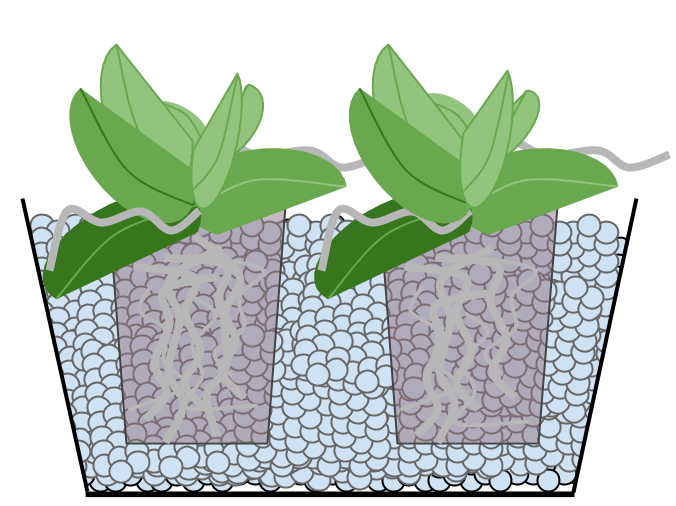
Orchids are supplied growing in a special free-draining compost. They should not be removed from their original pots, which you will notice are made of a clear or translucent plastic. (You should keep the orchids in their original grow pots: orchids benefit from a little light at the roots, which is why they are sold in such pots.) Instead, a layer of LECA (light expanded clay aggregate – small pellets of absorbent clay, which you can buy from most garden centres) or vulcaponic substrate should be spread in the bottom of the decorative pot, and the orchid pot placed upon it.
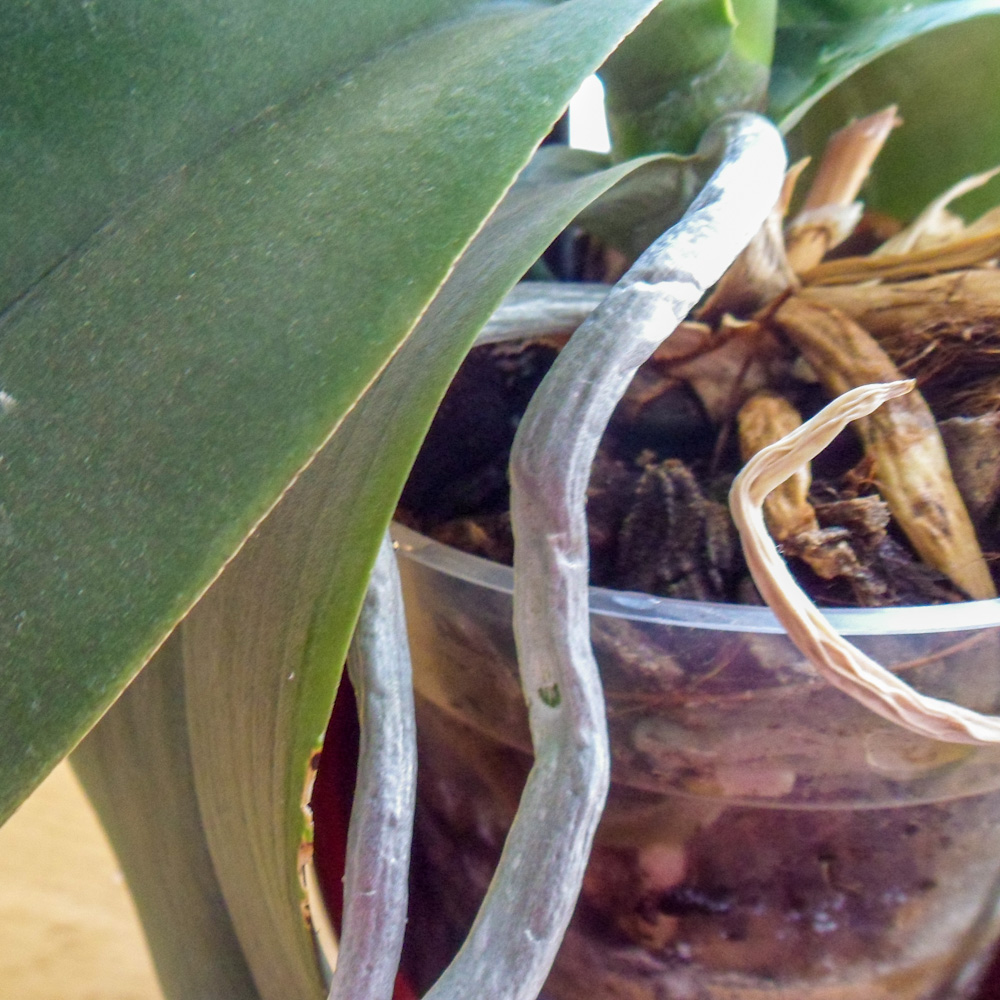
Transparent orchid nursery pot
LECA – light expanded clay aggregate
Alternatively, you can buy special orchid pots, which are often taller than conventional decorative pots. These are designed so that you can keep a moist layer, or even just water, at the bottom, without the orchid sitting in it.
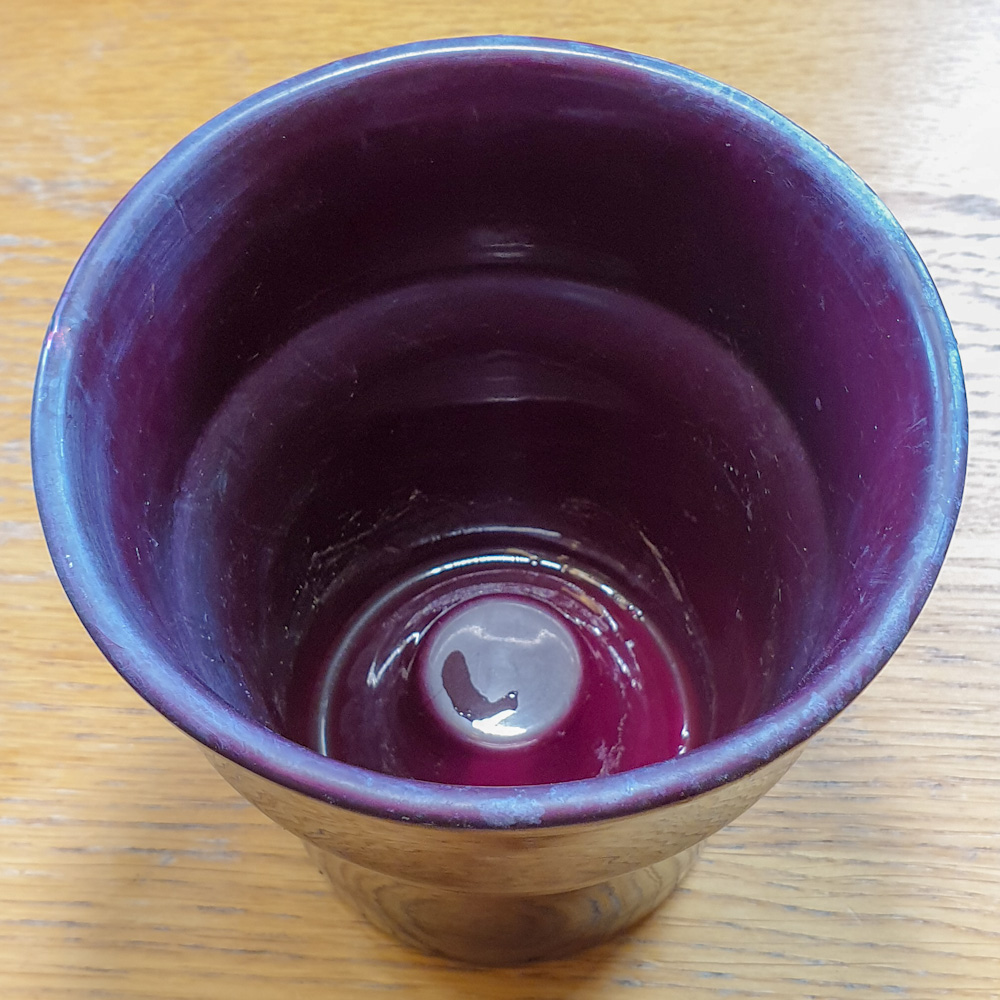
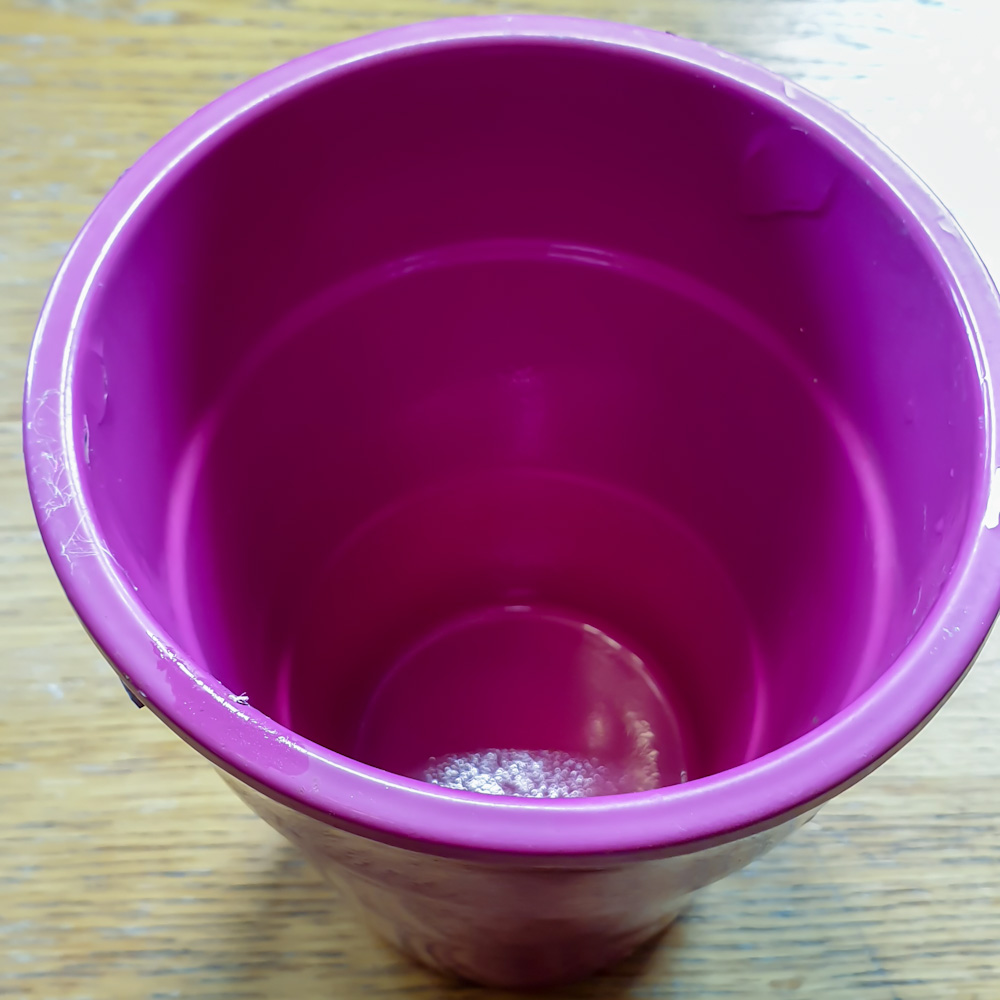
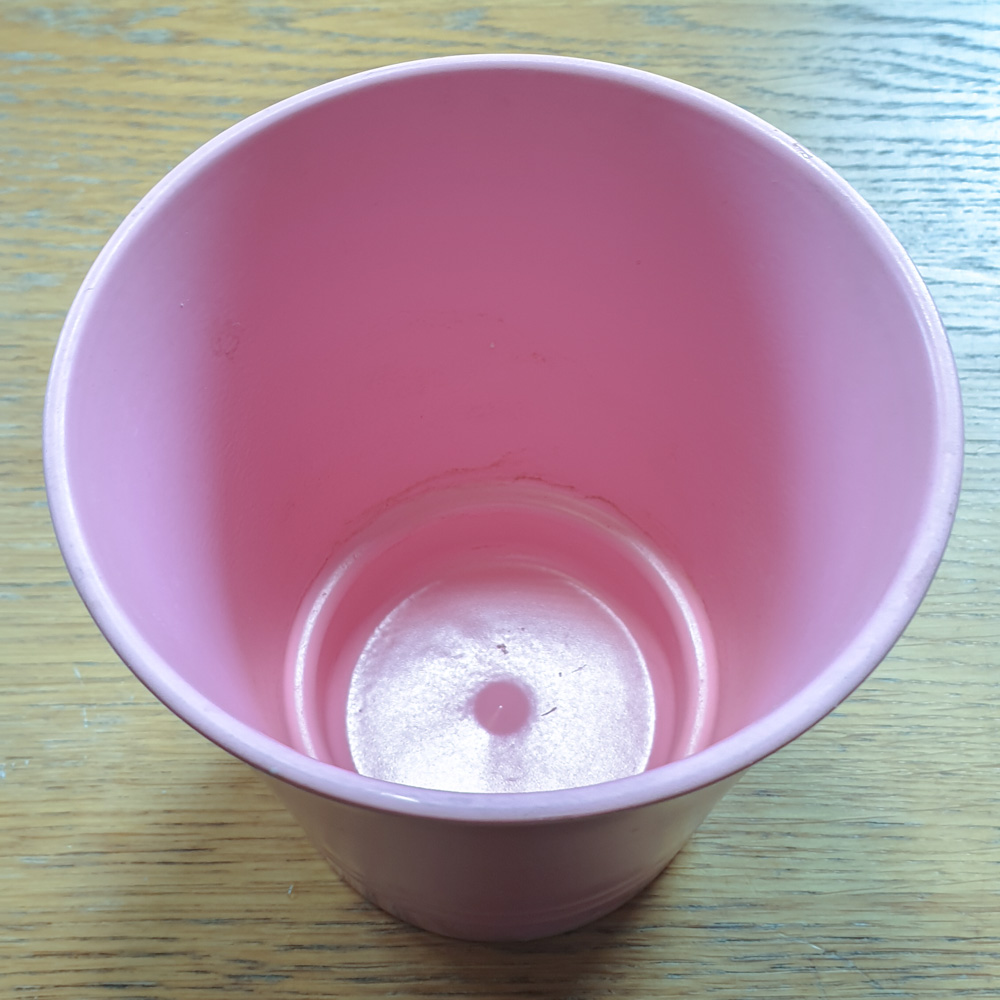
A selection of orchid pots showing supports for the grow pot so that a humid area can be provided underneath
If the decorative pot is large, you may wish to surround the nursery pot with more LECA, coarse vulcaponic substrate or even something like glass beads to hold it in place (and let some light in). Phalaenopsis benefits from a humid environment around the roots, which can be achieved by standing the grow pot on a layer of something like lava rock or LECA in the decorative pot to support the pot, and keep that material moist.
Do not plant the orchid directly into soil or potting compost.
Ensure that the fleshy, grey aerial roots are able to sit above the surface and not get buried. Let the grey aerial roots sit above the surface of the lava rock or LECA. They are covered in a material called velamen, which acts like a sponge to absorb moisture from the air.
Heat and light
Orchids benefit from good light, but should not be placed in direct sunlight, draughts or near direct heat. A minimum of 15°C is needed, ideally a little warmer once the flower stem starts to grow. Large fluctuations in temperature between night and day will also shorten the lifespan of the flowers.
Orchids do really well in humid situations and make for fantastic bathroom plants.
Water
Orchids require regular watering, but must not be allowed to stand in water. My own research has shown that rainwater, or deionized (or distilled) water, with a little fertilizer (see below) is ideal, but tap water is acceptable in most circumstances (although it can vary, and often contains dissolved salts that can damage the roots). One thing to bear in mind, however, is that cold water can be damaging – tap water or rainwater is best if allowed to get to room temperature before using.
To water an orchid, lift its grow pot out of the decorative planter and take it to a sink. Pour plenty of water into the orchid pot and allow it to drain, then replace into the decorative pot. If you keep the orchid on a layer of LECA, or similar, moisten that as well. You probably won’t need to water more than once a week, or occasionally less frequently. (If you are going to be away, give the plant a good watering before you leave and make sure there is some humidity at the base of the pot). Standing water near the leaf bases will lead to rot and leaf loss.
Fertilizer
In their natural environment, orchids such as Phalaenopsis, gain their nutrition from the poor soil they grow in, or from water washed off the leaves of the trees that they live in (such leaf washings might include nutrients derived from dirt and even the droppings of birds, small mammals, tree frogs and insects). In some species, bacteria or fungi live in the aerial roots and they are able to fix nutrients direct from the atmosphere.
Cultivated orchids require very little fertilizer, but some micronutrients are needed, especially when the plant is flowering. Specially prepared orchid fertilizers are available from garden centres and orchid specialists, and whilst they may be beneficial, they are expensive and not absolutely necessary. A weak (10% of standard rate) solution of a general purpose houseplant fertilizer (containing trace elements) mixed in deionized water is ideal.
Keeping orchids clean and pest free
Orchids are generally pest free, but mealybugs, scale insects, thrips and two-spotted (red) spider mites can attack them. Remove any signs of webbing and mealybug egg masses as soon as you see them. Aphids seldom attack the plant, but they may gather on the flowers, making them unsightly.
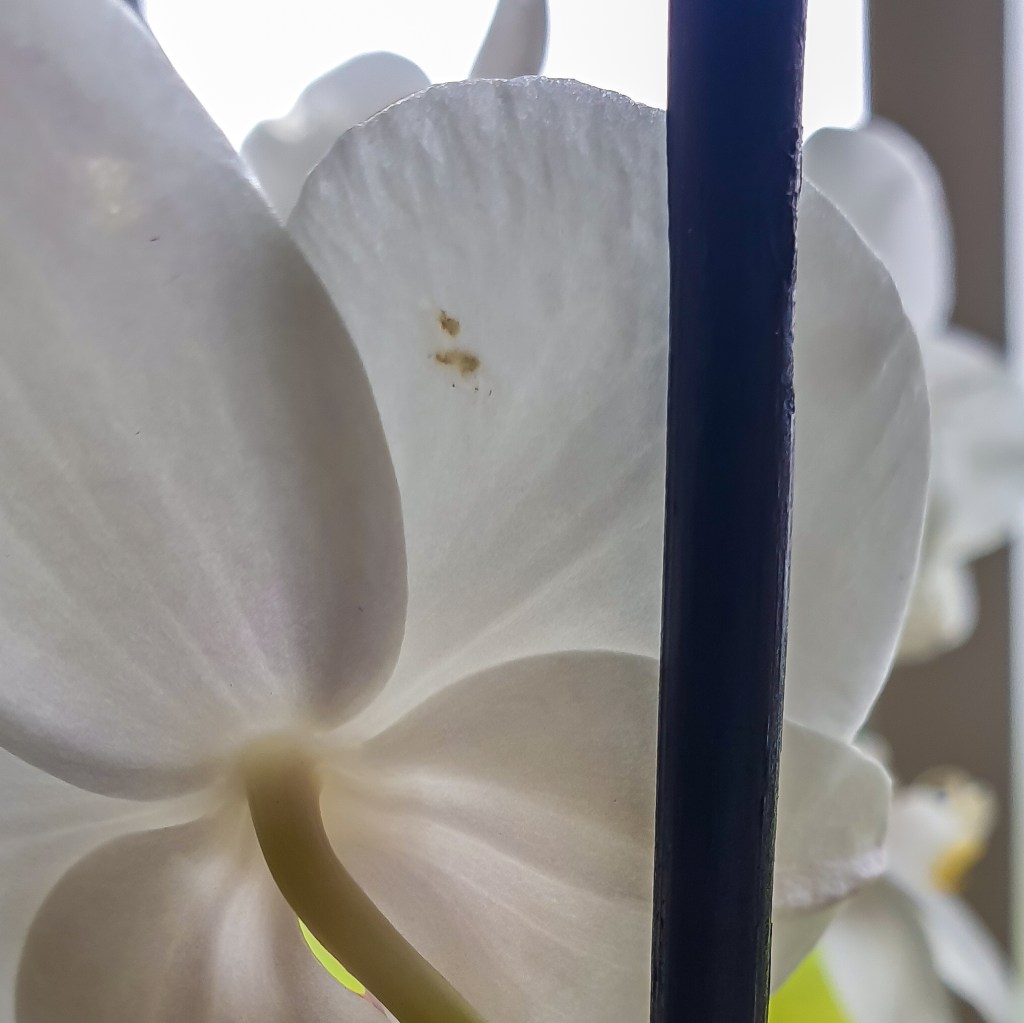
Thrips damage on an orchid flower
Orchids have robust leaves and surprisingly strong flowers. However, that does not mean you can be rough with them. The most important thing to do is to remove any dust that has accumulated on the leaves – a damp cloth is often the best way.
Caring for the flowers
Phalaenopsis produces flowers on a long stem. The buds develop at the tip of the stem and can be quite fragile. It is important not to damage them. Sometimes, the buds may not fully develop. In this case, they will shrivel and should be carefully removed.
Old flowers will start to shrivel, and these can be removed by gently rubbing the flower stalk from the stem. Once all the flowers on a stem have finished, the stem should be cut back.
If the plant is healthy and vigorous, it may be possible to encourage a second growth of flowers by cutting the stem back to just above the fourth or fifth bud where a new flowering stem can sometimes grow. If the plant is lacking in vigour, the original stem should be cut right back to the base, and the plant allowed to recover.
Flowering is triggered by a reduction in daytime temperature, so to get your plants to reflower, place them in a cooler (not cold, though) room in the house for several weeks before bringing them back to a warmer place.
As you can see, orchids really are pretty easy to look after, and they reward you with the most fabulous exotic blooms. Once you have mastered Phalaenopsis orchids, why not try your hand at some of the more exotic types, some of which have the most enticing perfumes and even more glorious flowers.
(image credits: all images from author’s own collection)
Last week, we passed the autumn equinox. The day when we enter a period of more night time than daylight. More people are also working away from home as employers are trying hard to encourage their staff back to the office. With this in mind, please spare a thought for your houseplants.
Lights on in the home
Offices are getting busier and more people are spending their working hours away from home. We are also entering autumn. This means a lot less daylight, as a result of shorter days, less intense sunlight and far fewer hours of daylight.
It also means that the lights at home are off. On a dull day in an unlit house, light levels may be very low only a short distance from the windows. For houseplants, this can be tricky – they need light to photosynthesize, so prolonged darkness can cause problems. However, there are ways to minimize those potential issues.
By the windows
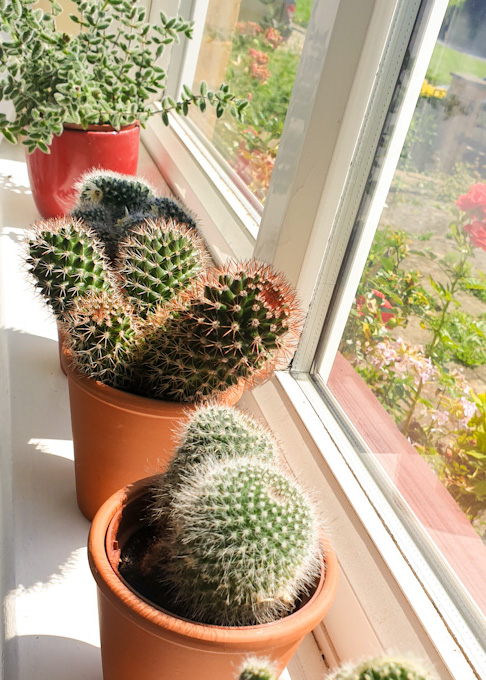
Cacti on a windowsill
If you haven’t already filled every available gap on your window sills with plants, now is the time to move some of your smaller plants a bit closer. Those that are sensitive to direct light (even at this time of year) such as Calatheas and Alocasias can go on north-facing window sills.
If you have a conservatory, and some room, some of your other plants might welcome a change of scene. Again, be aware that some species might not appreciate direct light, and watch out for cooler nighttime temperatures.
Many species, especially those with their natural origins in the undergrowth of a tropical rainforest, will be able to cope with the lower light levels quite easily without needing to be moved and without the need for additional lighting.
Plant by a window
Be smart with your lighting
A lot of people have embraced smart technology and can control much of their home through an app or smart speaker (such as an Amazon Alexa or Google Home device). Smart lighting is one way of giving your houseplants a light boost, and as many lights use very little energy, they won’t add too much to your energy bills (and may save the cost of replacing some plants). A few extra hours of lighting whilst you are away from the home can easily be programmed, and you can also programme your lights to be on when you get home. Having your lights turn on and off throughout the day can also be a useful security benefit.
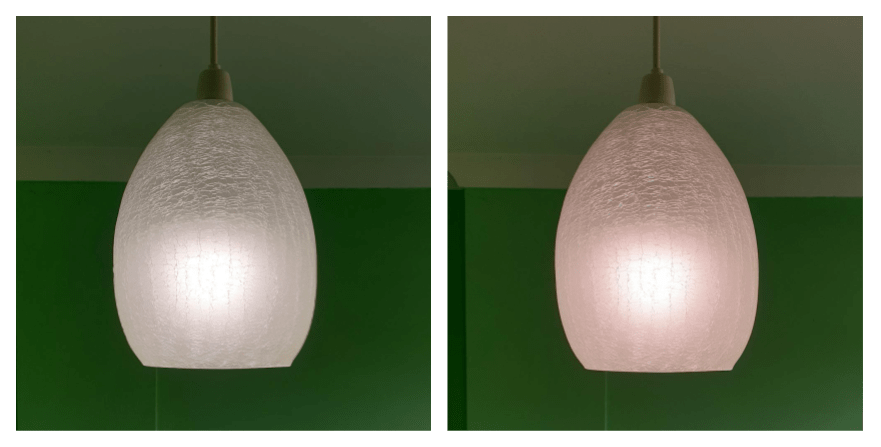
If your smart bulbs have different light quality settings, use daylight (sometimes called cool white) at the highest brightness during the day, and then change to a more comfortable warm white when you get home. You probably won’t need the lights to be on all of the time, but some species that do best in higher light conditions might benefit.
Comparison between daylight (l) and warm white (r) light from a programmable smart bulb
Cut back on water and feed
If you are spending more time away from the home, the chances are that as well as light being diminished, your home might be a little cooler as well: there is no need for the central heating if no-one is home.
If that is the case, your plants will be metabolizing a little slower, so they won’t be needing as much fertilizer and water as usual.
Always be guided by your plant – water according to the plant’s needs, not to a timetable. You can probably do without fertilizer until the spring as well.
If you have your houseplants potted in coir pots or set up with vulcaponics, that will certainly help regulate the water given to the plant. Adding water to the decorative pot and allowing it to soak gradually through the coir pot is an ideal way of managing the amount of water in the soil, reducing the risk of the roots becoming saturated.
Don’t worry
Most houseplants have their natural origins in the tropics and sub-tropics, where there isn’t much in the way of seasonal variation, much like inside a building. This is the main reason why native species of plants cannot cope with the indoor environment – they need seasonal variation to trigger different processes, such as flowering time or leaf drop.
However, when there is a seasonal change, some tropical houseplants will respond and you might notice more in the way of leaf drop than usual, especially on plants such as Ficus benjamina and other small-leaved tree species. Unlike temperate trees that tend to drop their leaves in the autumn, tropical species drop leaves continuously as they grow old, but you might find that if light and temperature levels do fall, they might drop more leaves as a result.
If this happens, don’t be alarmed (unless they drop all of their leaves). They will start producing a lot more foliage in the spring.
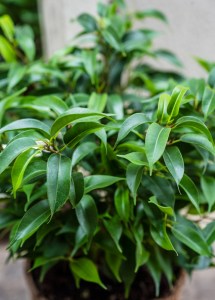
Ficus ‘Green Kinky’
Houseplants are pretty resilient. Breeders and growers have selected species and varieties over time to ensure that they can cope with the indoor environment. Working from home has probably given many houseplants a bit of a boost, but they will adapt to emptier, darker homes quite quickly.
A lot of indoor plant sellers will tell you that indoor plants will purify the air. Sometimes, they refer to experiments carried out by NASA (40-odd years ago) to prove the point. However, careful analysis of some of these claims shows that the claims are often exaggerated, or taken out of context.
That doesn’t mean that plants have no impact on indoor air quality – they can. So, how can you get the most of plants’ abilities to affect the indoor environment? I can’t promise miracles, however.
A brief history
In the early 1980s, NASA was investigating the ways that astronauts could maintain their environments whilst on long-term missions. The reaction of photosynthesis is a way of producing fresh oxygen for the astronauts to breathe, and some plants are good at removing other pollutants from the air and water.
The idea was that by having completely sealed living environments, humans and plants could live in complete balance. Coupling this with optimal growing conditions for vast amounts of greenery, the resources needed for a long-term mission could be reduced. This was only a few years after the last manned landing on the moon. Early space stations (Skylab and Mir – the forerunners of the International Space Station) had been launched and were being lived in for months at a time. This research clearly became very important.
Skylab space station (image from NASA)
The results of the experiments showed that some plants were especially good at removing pollutants such as some volatile organic compounds (VOCs). Some of these are quite unpleasant and are associated with harmful indoor air quality. These plants have become quite well known and are often referred to as the NASA list of air cleaning plants.
Sick buildings – could plants be the answer?
In 1984, the World Health Organization gave a name to a recently discovered phenomenon. People were feeling ill in modern buildings, and analysis of the environments in some of these buildings identified a number of VOCs as being likely causes of the problem. That problem became known as Sick Building Syndrome, and a great deal of effort was expended trying to identify the building components most responsible for the release of these chemicals into the air inside buildings.
It didn’t take long for someone to notice that a lot of the VOCs identified as being associated with sick building syndrome were those that some plants seemed to be good at removing. Indeed, one of the scientists involved with the original NASA experiments – Bill Wolverton – has since made a career writing about how houseplants can create fresh air.
However…
Thinking back to the original NASA experiments, you will notice that they were carried out with a specific purpose in mind. The plants were grown under conditions that made them actively grow – their metabolism was optimized by controlling the environment with high light levels, good humidity, warm temperatures and precise levels of plant nutrients. There were also vast numbers of plants in the growth chambers.
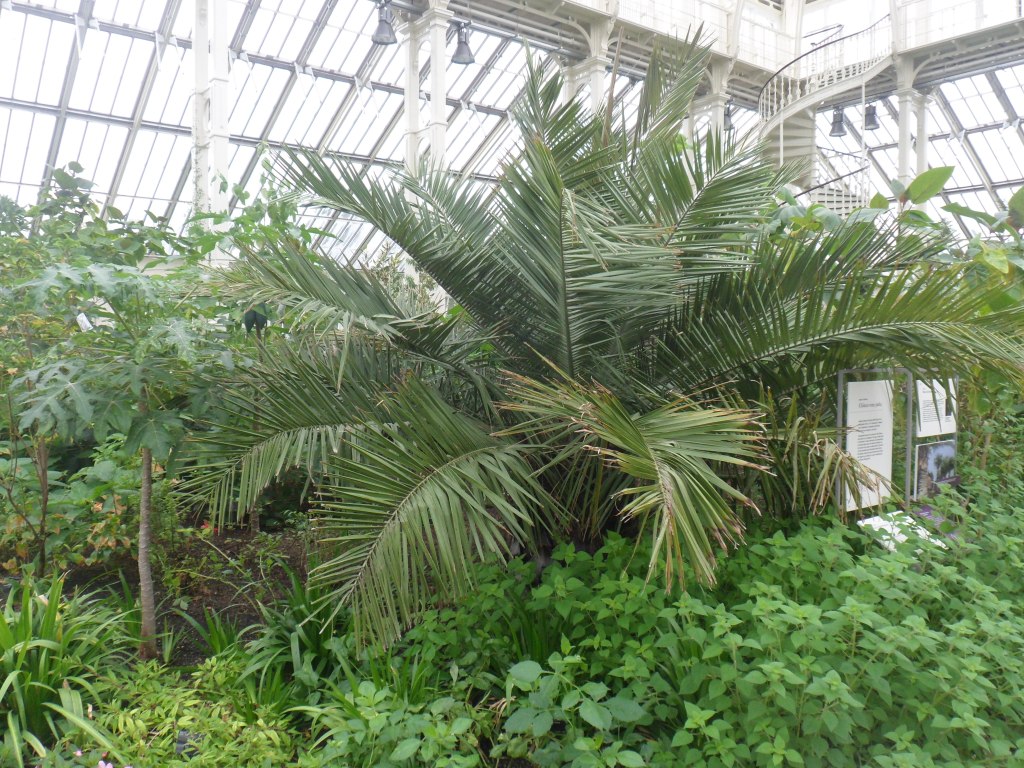
If you ever visit the hot houses at a botanic garden, such as Kew or the Eden Project, you will experience exactly the type of environment the plants experienced in the NASA experiments. The air inside those spaces is uplifting, fresh and life-supporting. The difficulty lies in recreating those conditions in homes and offices.
Issues of indoor air quality
Fortunately, since the early 1980s, the use of products in buildings associated with sick building syndrome has been significantly reduced. Most homes and offices are not full of nasty VOCs. However, there are some pollutants that have the potential to cause harm, or at least discomfort.
Volatile organic compounds (VOCs)
There are many sources of VOCs in houses. In fact, almost everything you can smell is a VOC of one type or another. Paints and new furnishings often release some compounds, but more mundane products are the biggest source: cleaning products, cosmetics and toiletries. Cooking, too, also produces types of VOC, as does opening a bottle of wine or mixing a cocktail. Most of these VOCs are harmless, although some can be irritating. Other VOCs are actually the result of human physiology. When you breathe out, there will be some VOCs on your breath as well as carbon dioxide and water – these are just the products of digestion and metabolism.
More worryingly are the VOCs that can enter the house from outside. Vehicle emissions, agricultural and industrial activities all contribute to VOCs in the atmosphere that will find their way indoors.
Fine particulates
A more pernicious threat to human health comes from ultra-fine particulate matter, usually produced as a result of combustion. These are often classified as PM10 (particles smaller than 10 μm in diameter) and PM2.5 (particles smaller than 2.5 μm in diameter). These particles can be breathed deeply into the respiratory system, where they remain. Fine particulates come from vehicle exhausts, inefficient combustion of gases and even cooking.
Dust
Larger particulates, such as dust, can irritate the respiratory system and contribute to asthma and allergies. These are either produced inside buildings (and are usually composed of dead skin cells and pet dander), or can be blown indoors through doors and windows (such as fine dust from roads and fields or construction, or pollen from trees and grass). Since most homes are not airtight (and most people wouldn’t want them to be – opening a window is a great way to refresh the air and create cooling breezes indoors), there is little that can be done to prevent dust from getting in from the outdoors. Remember, also, that good ventilation is recommended as a way of reducing the risk of Covid.
Carbon dioxide
The atmosphere is composed of approximately 78% nitrogen, 21% oxygen, 0.9% argon and 0.1% of all other gases (including 0.04% carbon dioxide).
About 80% of the entire atmosphere is within 15km (10 miles) of the earth’s surface (which is only 0.2% of the earth’s diameter) – a fragile and wafer-thin envelope upon which all life depends.
Elevated levels of carbon dioxide are more of a problem in offices than in homes. Small meeting rooms with lots of people, will result in CO2 levels rising fast and getting to concentrations high enough to cause drowsiness and impair cognitive function – just one reason why outdoor meetings might make for better business decisions. In the home, this is less of a problem, although in the winter, when everyone is indoors and windows remain firmly shut, CO2 levels might rise above comfortable levels.
How can plants help
Most homes cannot house enough houseplants to actively purify the air. They also cannot provide the necessary conditions for houseplants to be physiologically active. An environment that could replicate the effects found in laboratory experiments would be extremely uncomfortable for people to live in.
However, there are ways to use plants indoors to improve air quality, and some plants are better than others at doing this.
The key is to match the plants well to their environment. The more closely matched they are, the more physiologically active they will be, and that is when the effects will be greatest.
When you search for indoor plants online (whether for home or office), you will often see that retailers often include details about the conditions that they do best under. If you choose plants that suit the different conditions found in the various spaces in your home or office, then you are more likely to notice an effect.
Plants affect the indoor environment in three main ways
Volatile organic compounds
First, the bacteria in the soil that live amongst the roots are able to break down some VOCs, and convert them into substances useful to the plants. This is an entirely natural phenomenon, although only relatively recently properly understood in horticulture. Plants with healthy roots and good soil will have the biggest impact, and those that are the fastest growing will also be the most effective.
Carbon dioxide removal
Second, plants that are actively photosynthesizing will be removing some carbon dioxide from the air. Plants that originate in dark tropical conditions (such as rainforest floors) are able to photosynthesize extremely efficiently – they have evolved ways of making photosynthesis work even in very low light conditions, so that means more carbon dioxide is used by the plants.
It must be emphasized that the benefits to air quality are due to carbon dioxide removal, not increasing oxygen. Why?
The simple equation for photosynthesis shows that for every molecule of carbon dioxide removed from the atmosphere, a molecule of oxygen is added. So, in an office where the concentration of carbon dioxide might be, say, 600ppm, removing 100ppm is a massive reduction (about 17%) and will have quite an impact on the way you feel. However, at best, you will only be adding 100 ppm to the oxygen in the same space. As there is already roughly 210,000 ppm of oxygen in the atmosphere, adding an extra 100ppm to that is an increase of less than 0.05% – not noticeable at all. Actually, you get even that much back as the plants also need some of that oxygen for aspects of their metabolism.
Fine particulates
Third, plants with hairy or slightly sticky leaves are able to trap particulates on the leaf surfaces, including fine particulates. In fact, plants such as ivy and Cotoneaster are used outdoors to mitigate the effects of pollution in urban areas. Some indoor plants can do that too (although they will need to be cleaned – there is no rain indoors to wash that pollution away). In fact, research carried out at Washington State University some years back showed that many different types of foliage plant attracted dust to their leaf surfaces – possibly as a result of an electrostatic effect – so almost any leafy plant will be useful.
Which plants work best
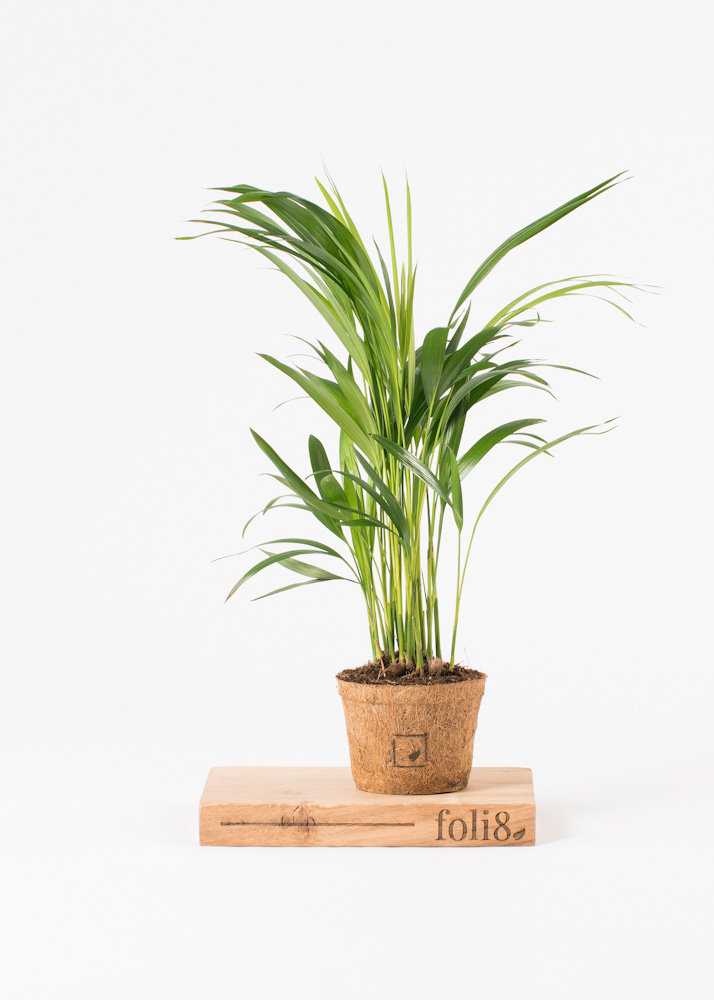
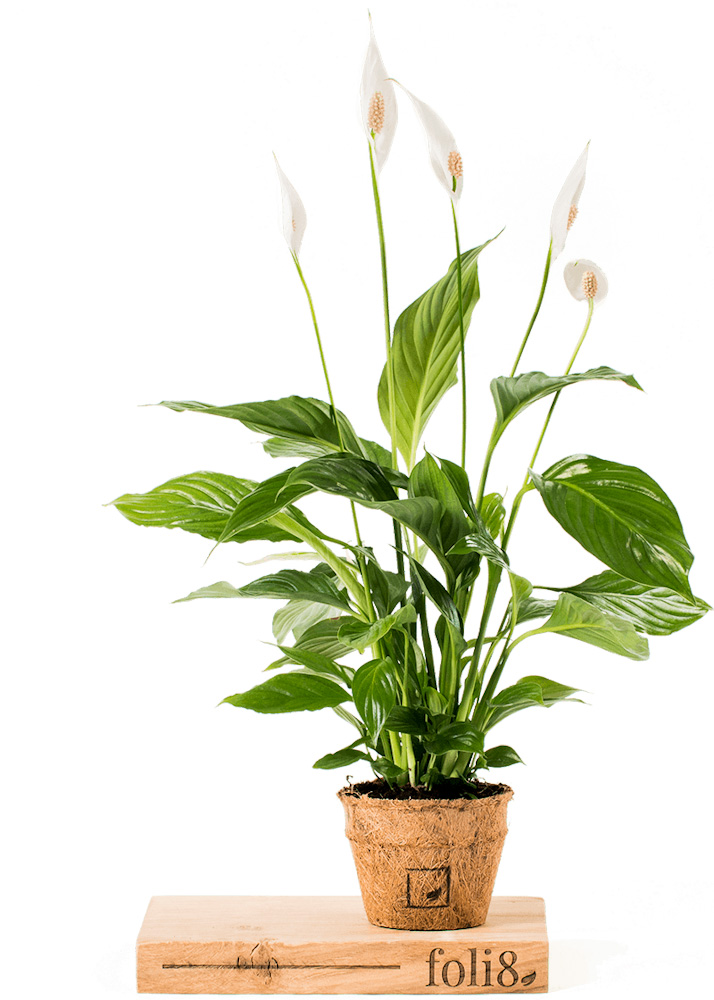
Plants that are adapted to low light conditions will be the best to improve indoor air quality. They are especially effective in reducing VOCs and carbon dioxide. Plants in the aroid family, such as Spathiphyllum, Philodendron species, Aglaonema species or Monstera species will be good, as will other jungle-floor plants such as Calathea species, Ctenanthe and even small palms, such as Dypsis lutescens.
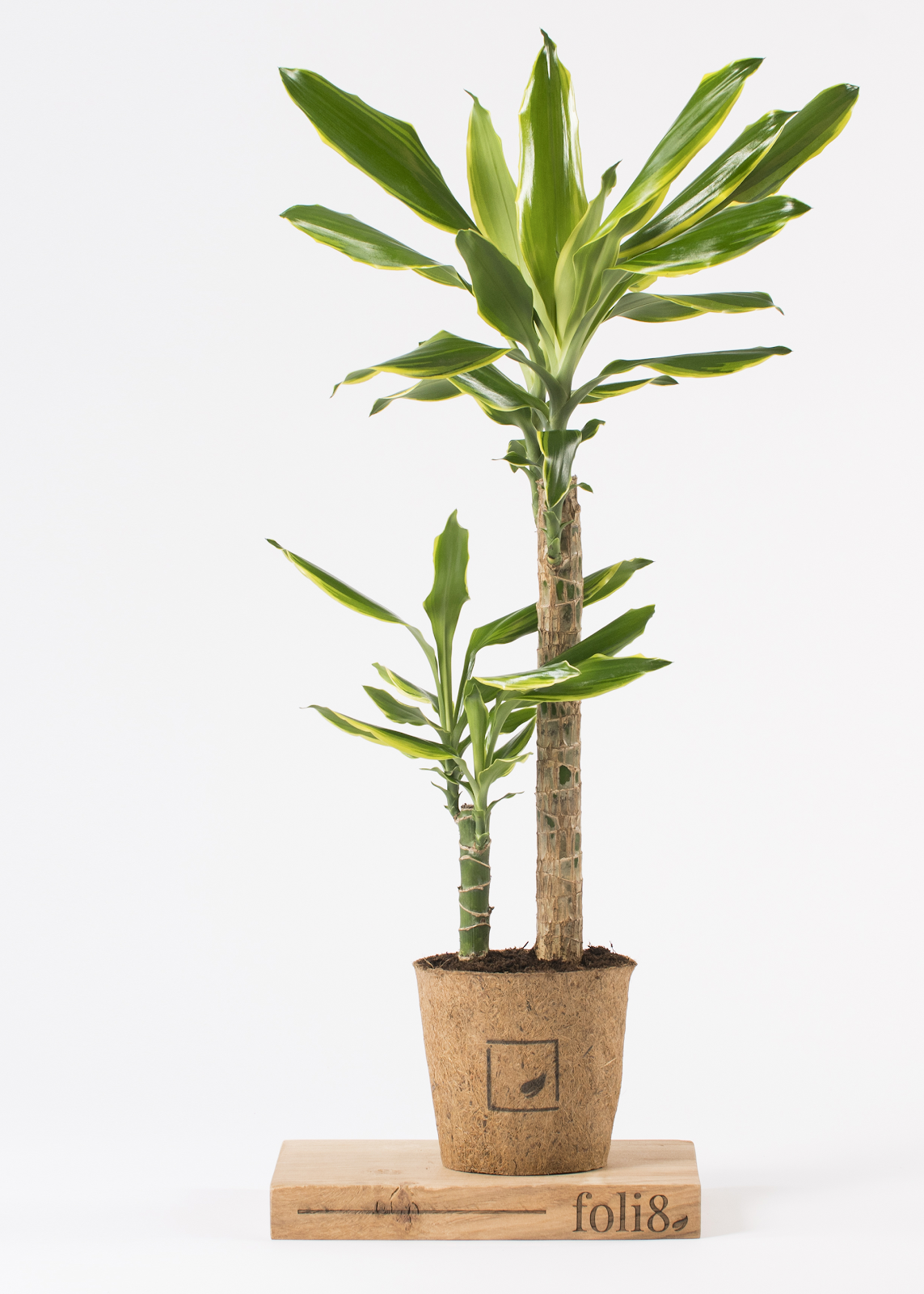
If light levels are slightly higher, Dracaena specieshave been shown to be effective at reducing levels of carbon dioxide. Experiments carried out in Australia by Margaret Burchett, Fraser Torpy and colleagues, in real office conditions, have shown that relatively few plants are needed to have a measurable effect).
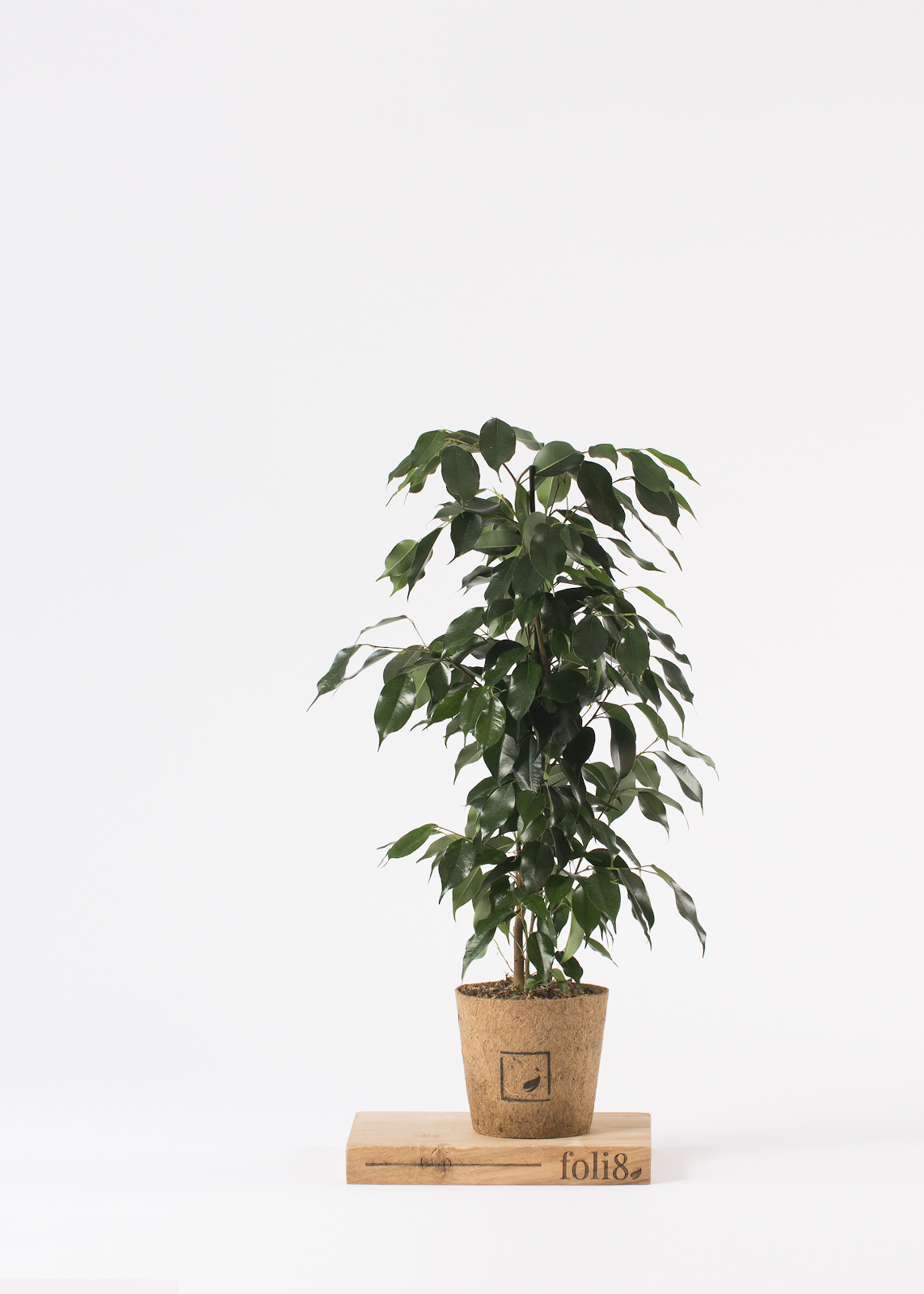
Plants such as Ficus benjamina and varieties of ivy (Hedera helix) and some ferns that do well indoors are good at removing particulates.
Technological solutions
Over recent years, the plant/microbe interactions in the soil have led to a number of innovations that use plants to actively clean the air. These systems were originally designed for large commercial spaces, but domestic-scale systems are becoming available.
In commercial buildings, green walls can have a dramatic effect on indoor air quality – especially when set up with good lighting systems. This is because green walls are set up with lighting systems, proper irrigation and, of course, hundreds of plants – all of which are physiologically active.
In the home, small green walls can now be purchased for relatively low cost, and can be installed by a competent DIYer. Not only do they take up little in the way of floor space, the large volume of compact plants in a good root environment means that they are going to be very effective – especially if you invest in some plant lights to illuminate them (and these are also getting much cheaper).
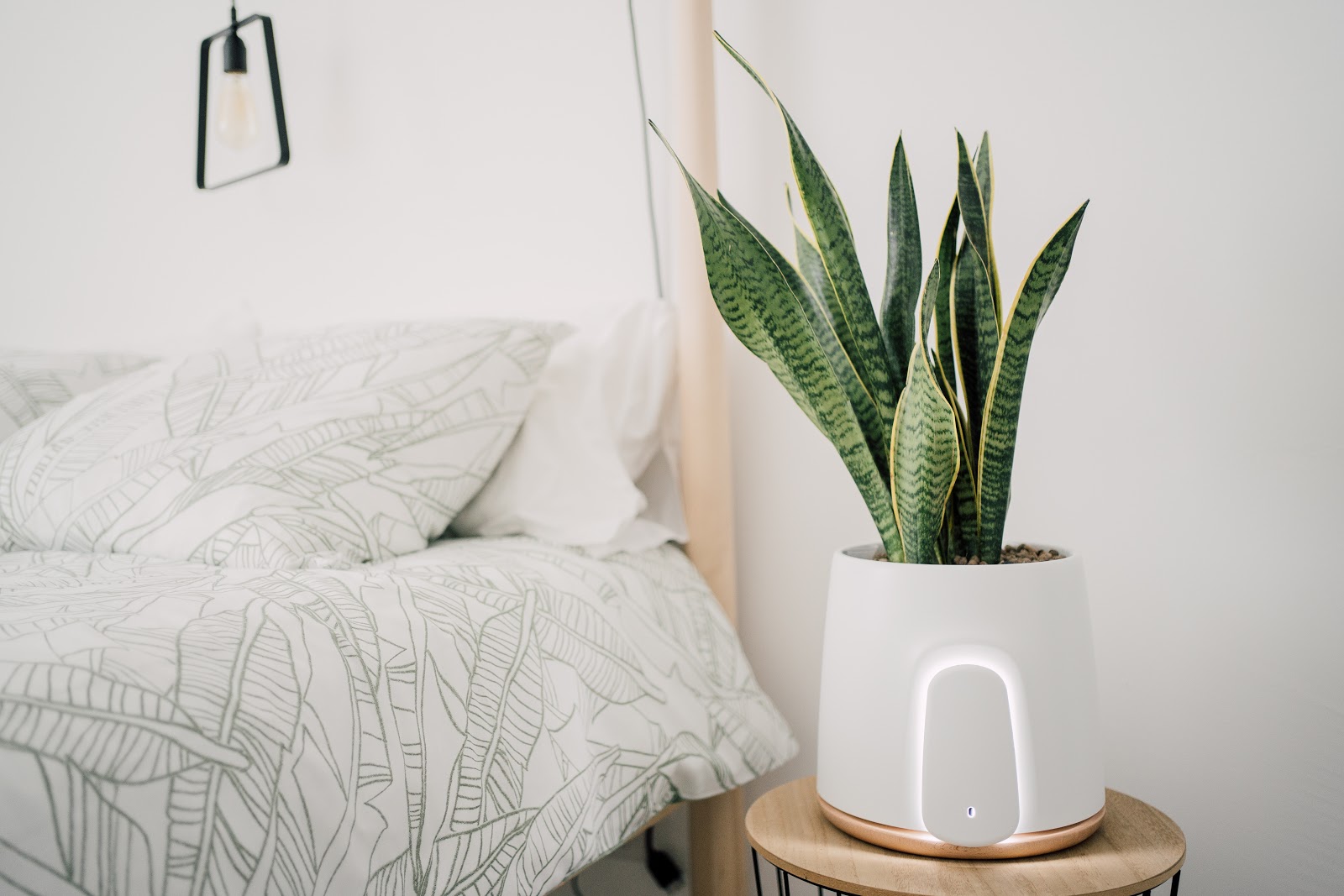
More recently, active air systems have been developed that use fans to pass air through the foliage and the roots to increase the size of the effect. Domestic-scale active air green walls are being developed and table-top systems, such as Vitesy’s Natede planter, are now already on the market.
Disclosure note: the author has commercial relationships with both foli8 and Vitesy. The author acknowledges their ownership of the copyright of their images in this article. The author is happy to recommend both companies. Their products and services are genuinely excellent.
I recently started a contract for a couple of days a week with a UK interior landscaper to help with the launch of a new line of business. Most of my work is carried out from home, at my less than perfect home office set up (OK, it’s the dining table), but last week I needed to visit their premises.
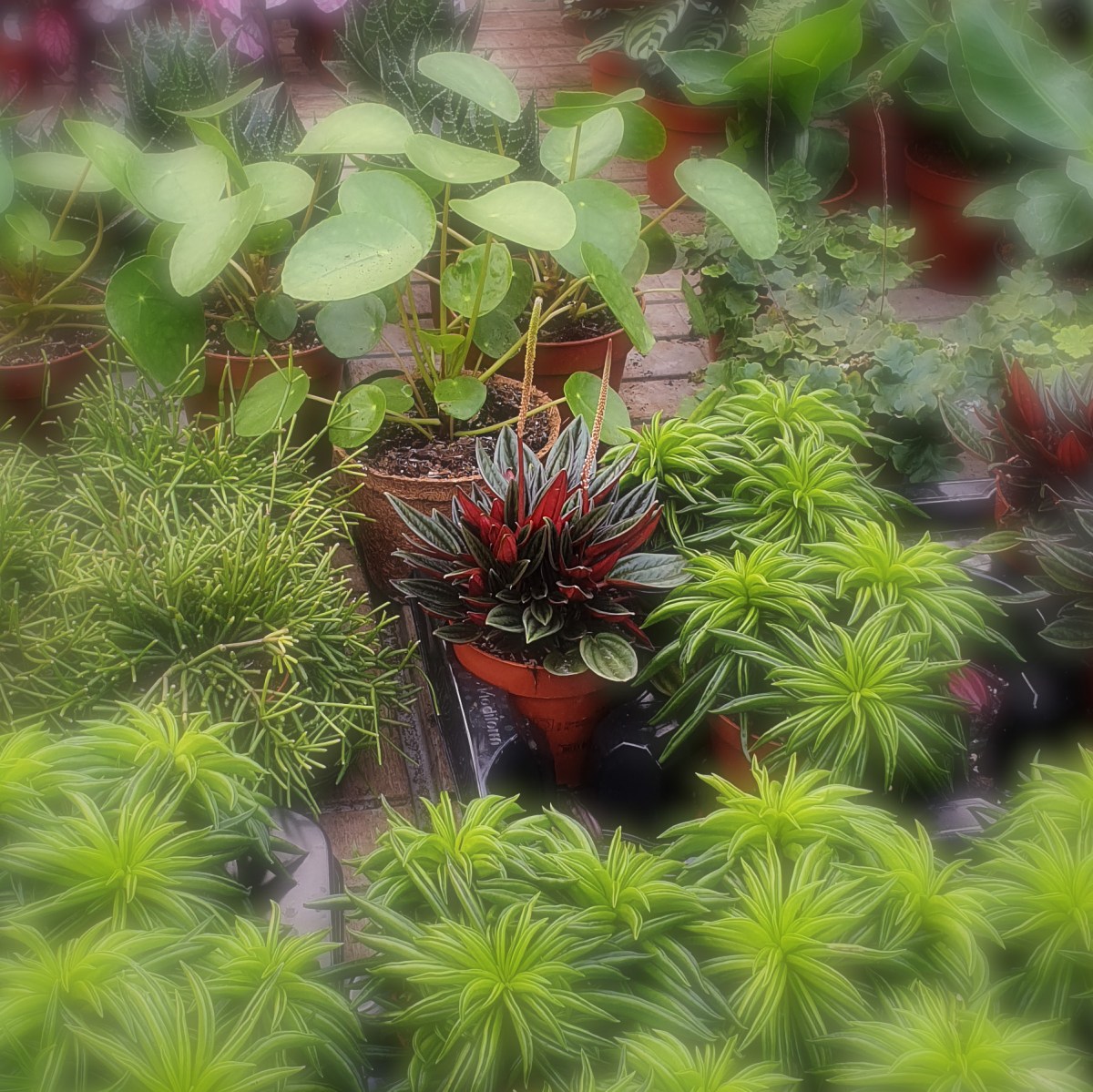
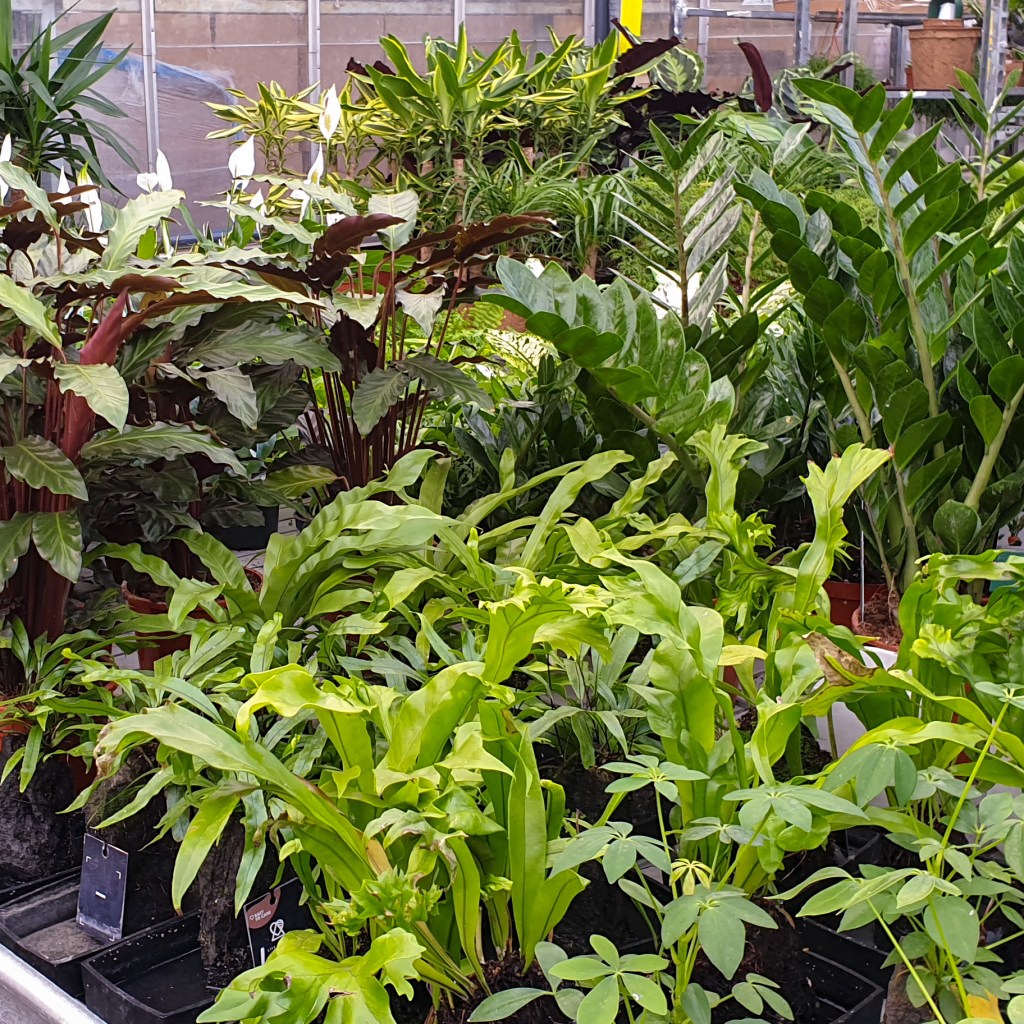
It has been a while since I was last in an interior landscaper’s premises. Despite each company’s differences in set up and size, there is something quite special about walking into the plant storage and preparation area. All the plants stored and being prepared for new installations. Everything labelled and assigned to each plant technician for their weekly routes and racks of containers and sundries ready to be assembled into displays that bring life to commercial spaces.
There is also the atmosphere. There is no doubt that a space with thousands of healthy plants has a special feeling. There is the smell of compost and freshly-watered foliage. It is quiet – even when people are working, there is a sense of calm, and there is a sea of green. I have written before about the human eye’s ability to discern hundreds of different shades of green, and in locations like this, you will certainly many of them.
I spend most of my working life at a desk: writing about workspaces, writing about interior landscaping, joining video calls and meetings (that was my work pattern for years, even before the pandemic), so this trip out was a welcome chance to refocus.












 Kenneth Freeman | Purposeful Places