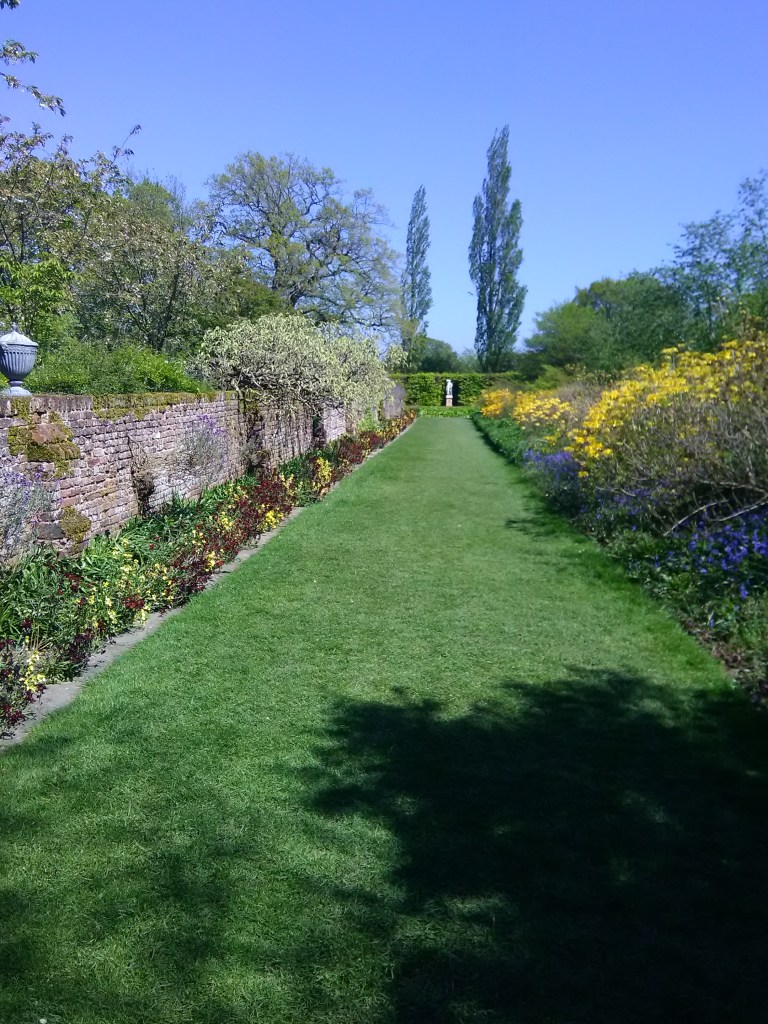
The interior landscaping industry is doing very well at the moment. This is a good thing as it keeps me and my colleagues in work.
The demand for greenery in, on and around buildings remains strong. Architects, designers and facilities managers are planning their spaces to fully integrate plants into their designs.
The justification for all of this very welcome plant life is to improve wellbeing and make the office more welcoming. Employers are keen to attract and retain staff (those Glassdoor ratings aren’t going to write themselves). Commercial real estate firms need to get people through the doors in order to justify the existence of their cathedrals of capitalism. It doesn’t take too long before ‘biophilic design’ is mentioned.
I have written before about why just putting plants in buildings is not the same as biophilic design. I am increasingly worried that the phrase has gone beyond being a synonym for office plants and are now weasel words that are losing all meaning. However, that is not the purpose of this article.
Sense of connection
Biophilic design should be about creating a sense of reconnecting with our natural environment. Zoos design their animal enclosures to be as much like the natural environment of the animals as possible. This helps them to live as well as possible given their captive state. The human animal also thrives in naturalistic environments, but the modern office is nowhere near getting there.
I understand that buildings are easier to construct with lots of straight lines and right angles – and that’s fine. But the spaces inside don’t have to be like that.
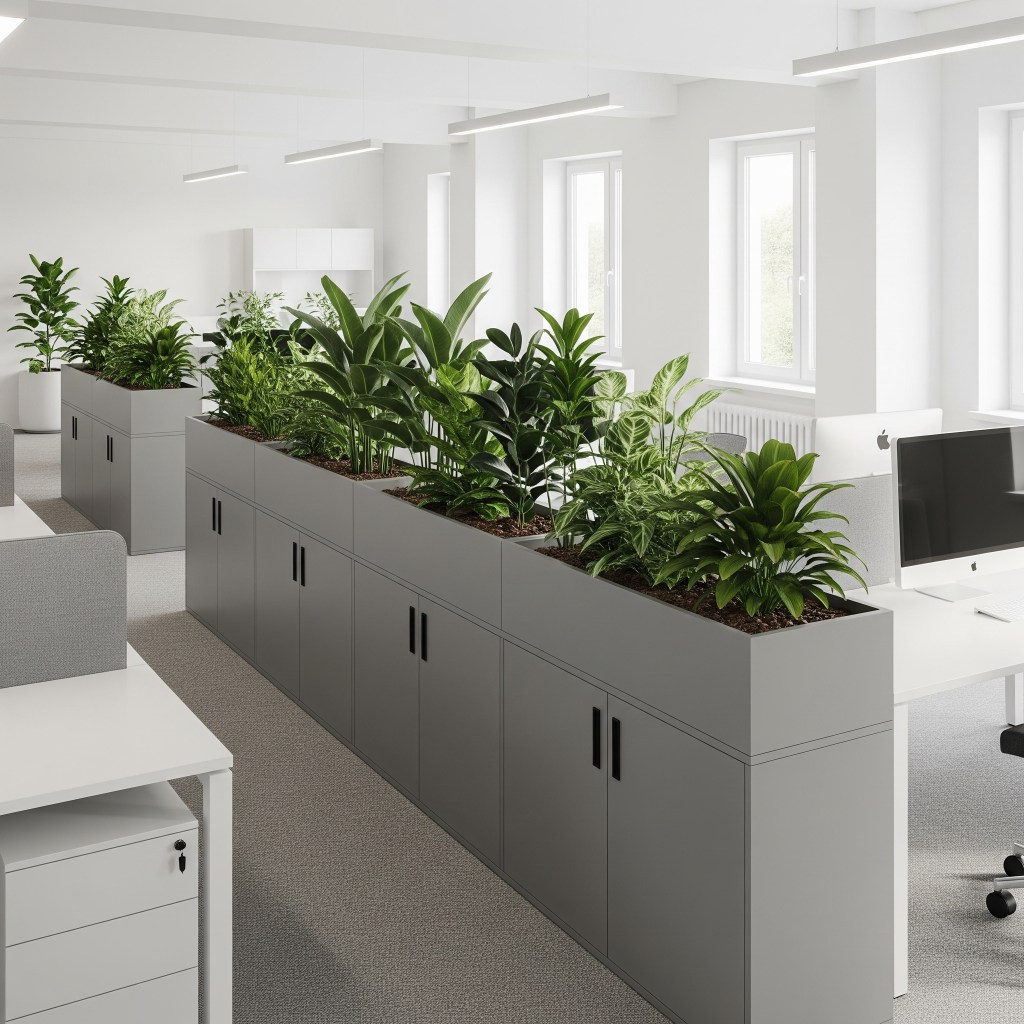
The trend of the moment is cabinet-top (furniture-based) planting. I have written about the practical issues of this style of planting, so won’t go over those again. You can read about my gripes here and here.
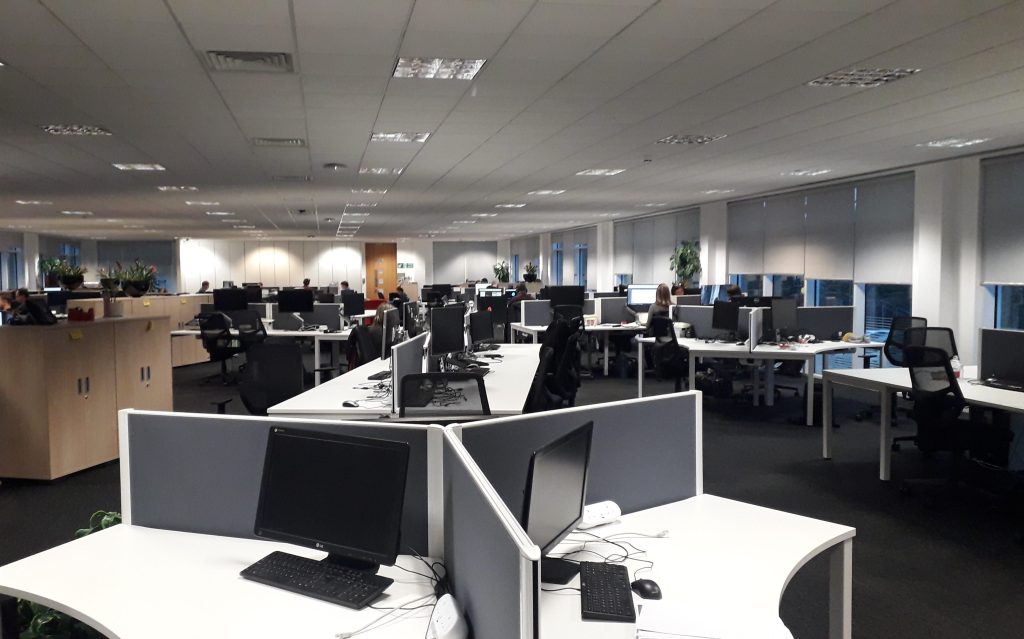
No, the problem I wish to address here is how such planting reinforces straight lines and right angles, making the spaces even more artificial.
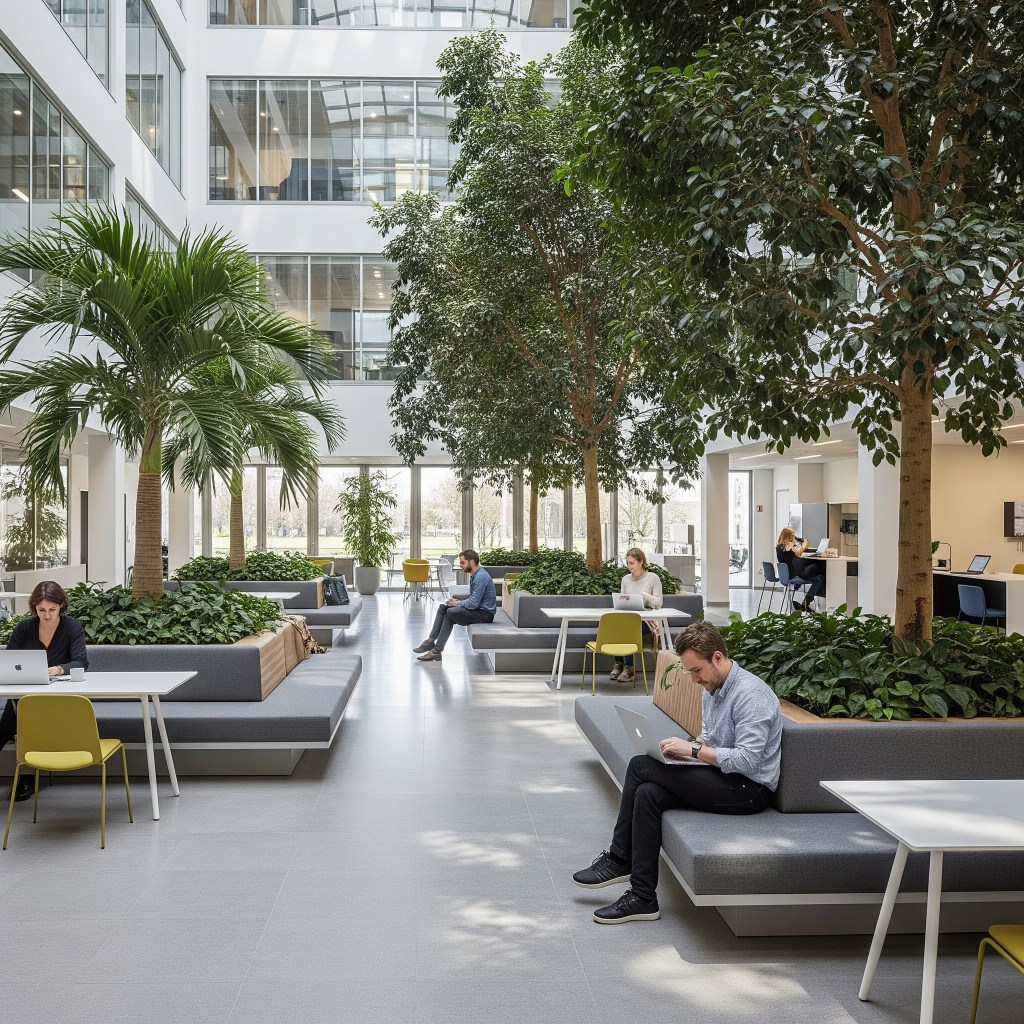
Nature is pretty random. There are curves and undulations. Vegetation is clustered, scattered and varied. Sometimes you can see over long distances, other times, there are mysteries to explore. There are wide-open spaces as well as sheltered spots. All of this can be alluded to in an office, but so rarely is.
Ticking boxes
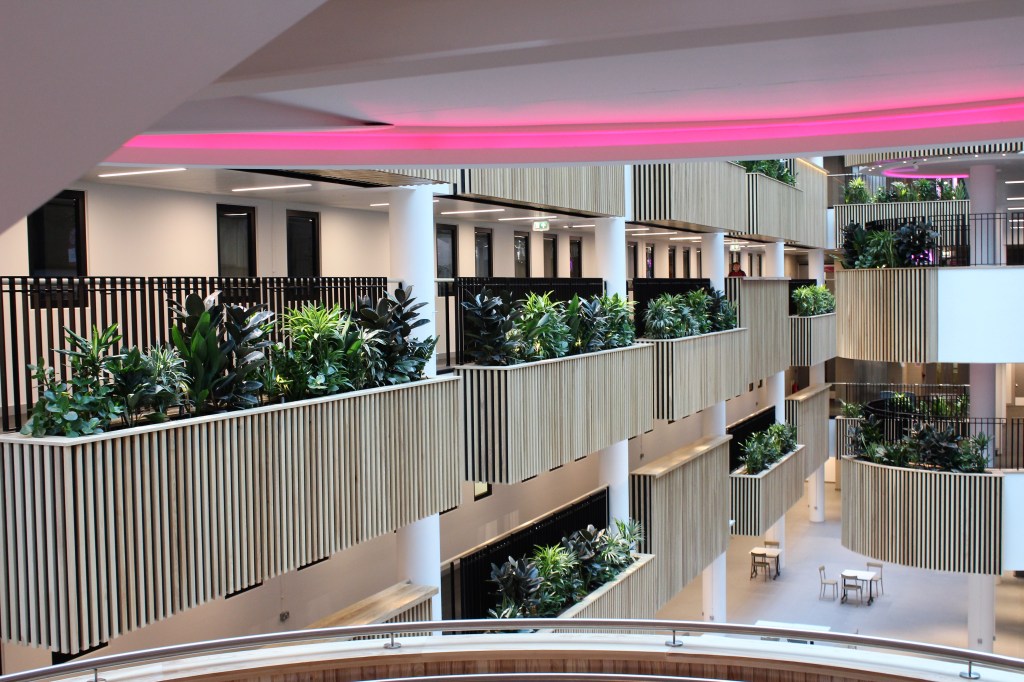
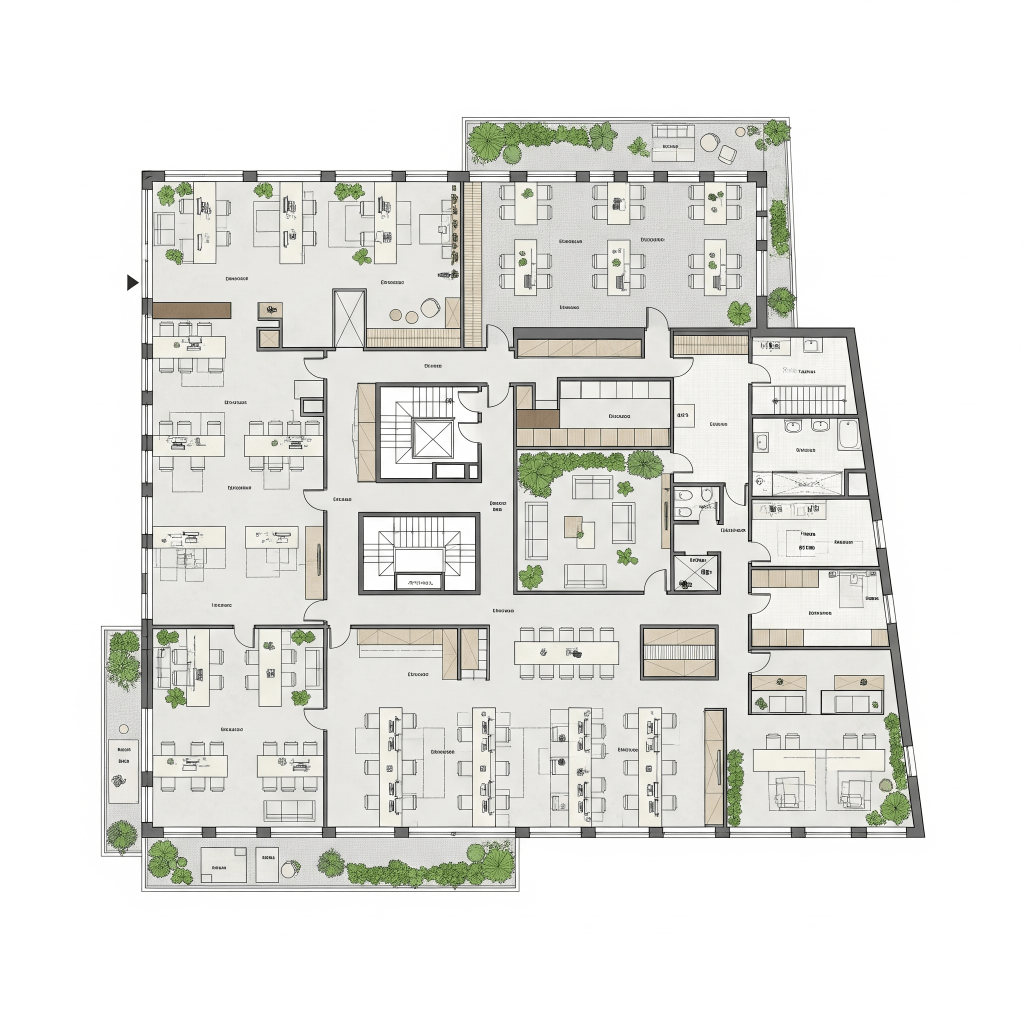
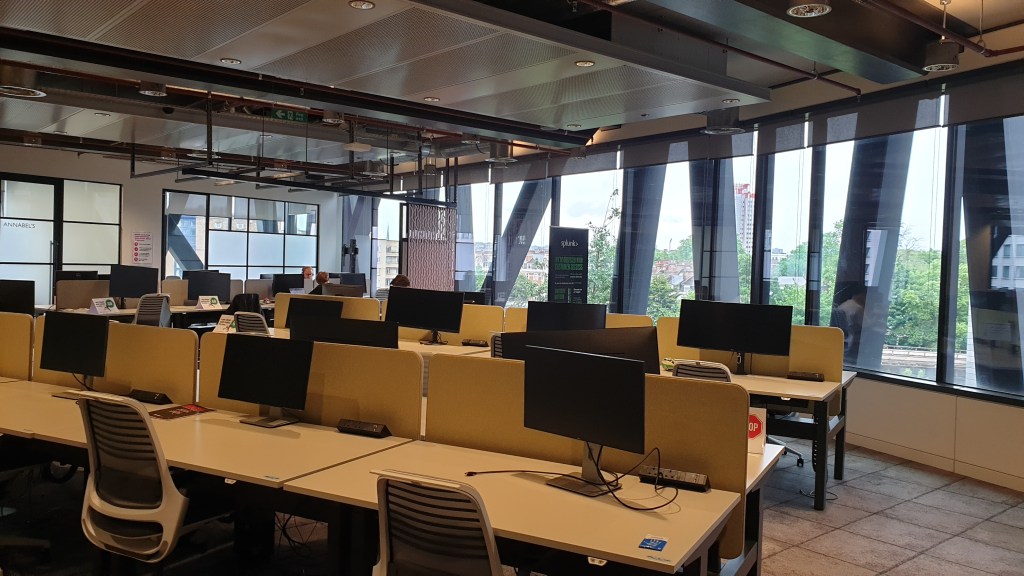
Interior landscapers are often presented with a set of floor plans with the furniture already specified. These frequently include cabinet-top planters (which are often far too shallow, but that’s a different issue). The layout is fixed. The interior landscaper’s creativity has been hobbled and the inevitable consequences are hedgerows and plantations.
These hedges and plantations allow boxes to be ticked. Vegetation is visible from the majority of workstations, even though it is uniform. Surfaces are free from clutter and circulation routes are well defined. You might even get a certificate to show how healthy your building is.
But, without the variation that could be introduced, that would bring a sense of connection with the outside world, that could draw the eye away from the screen – even if only for a few seconds – are these spaces really biophilic?
Be braver
Embrace the irregularity of nature. If even it isn’t as space-efficient, you might find that the benefits, in terms of wellbeing and performance, more than outweigh the cost of the odd curve here and there. If you need some help with that – take a look at my services page and get in touch.
In my last post, I wrote about the benefits of incorporating non-rhythmic stimuli into the built environment as a biophilic design intervention. In both the home and the workplace, we can use such stimuli to add an extra dimension to our sensory experiences, which ought to improve our wellbeing and comfort.
In the home, one of the most potent things you can do to create a biophilic experience is to take a nice, warm shower.
A warm shower can be more than a utilitarian act of hygiene – it is a deeply pleasurable, biophilic experience. It engages so many of our senses: sound, touch, smell (if your shower gel is nice) and warmth in ways that can be both soothing and invigorating. This offers a good blend of physical and psychological benefits. One reason for this pleasure lies in the non-rhythmic sensory experience it provides, which is an important element of biophilia and our innate need to connect with nature.
Unlike the predictable, repetitive stimuli we often encounter in daily life, such as the hum of a computer or the ticking of a clock, the sensation of water cascading over the skin is irregular and varied. This non-rhythmic stimulation captures our attention without overwhelming is. The gentle, unpredictable patterns of water droplets hitting the skin can almost induce a meditative state, allowing the mind to unwind and release stress and provide a mental escape.
The skin, as our largest sense organ, plays a central role in this experience. When warm water flows over the body, it stimulates countless nerve endings embedded in the skin, sending signals to the brain that trigger the release of feel-good neurotransmitters like endorphins and serotonin. The warmth of the water also promotes vasodilation, improving blood circulation and creating a comforting, enveloping sensation. This tactile stimulation is deeply grounding and fosters a sense of physical and emotional well-being. Furthermore, the contrast between the warmth of the water and the cooler air outside the shower can heighten sensory awareness, making the experience even more vivid and enjoyable. These elements could be thought of as a multisensory ritual that not only cleanses the body but also rejuvenates the mind. A warm shower a profoundly pleasurable, restorative and essentially biophilic act – cleansing both mind and body.
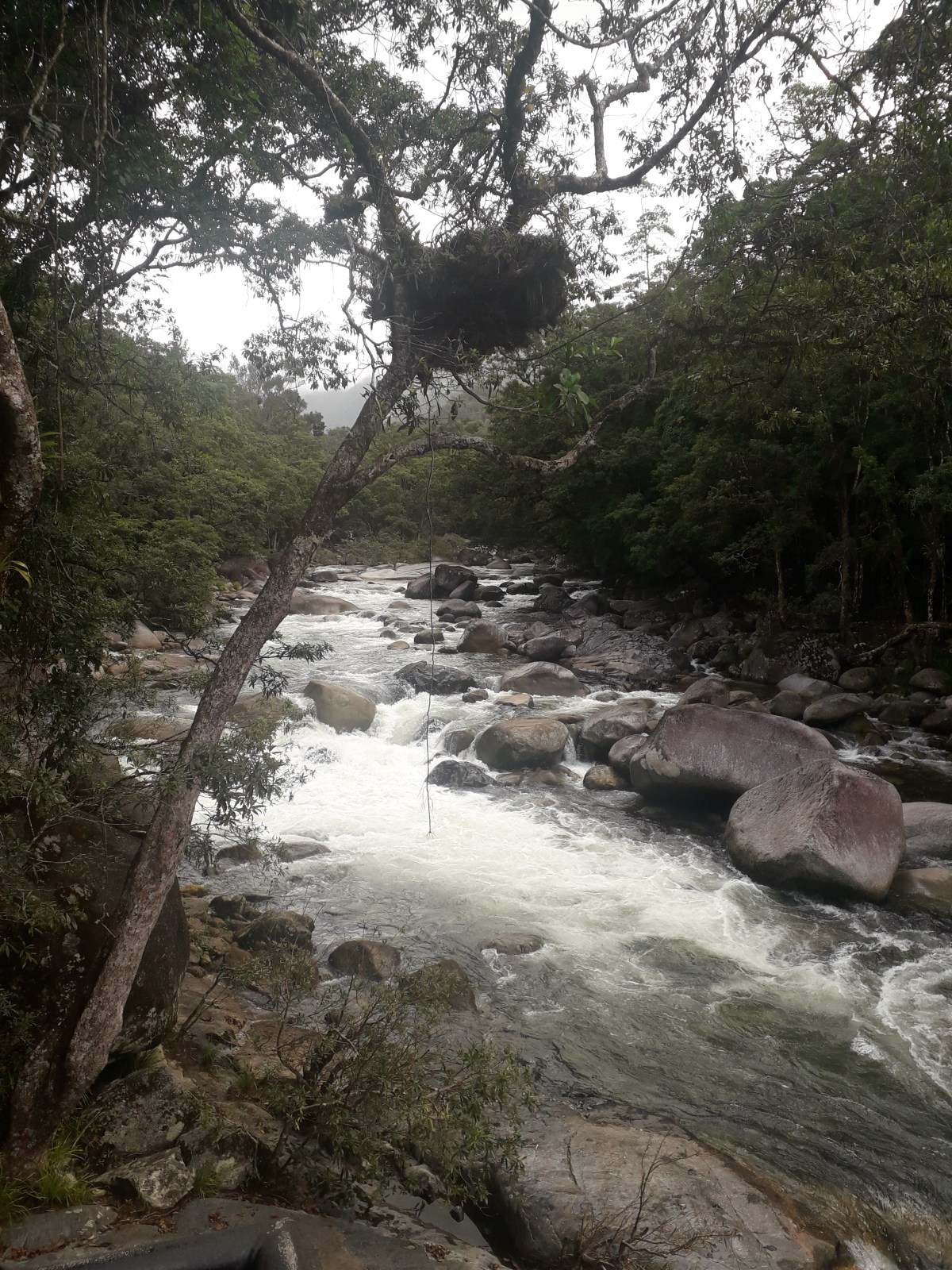
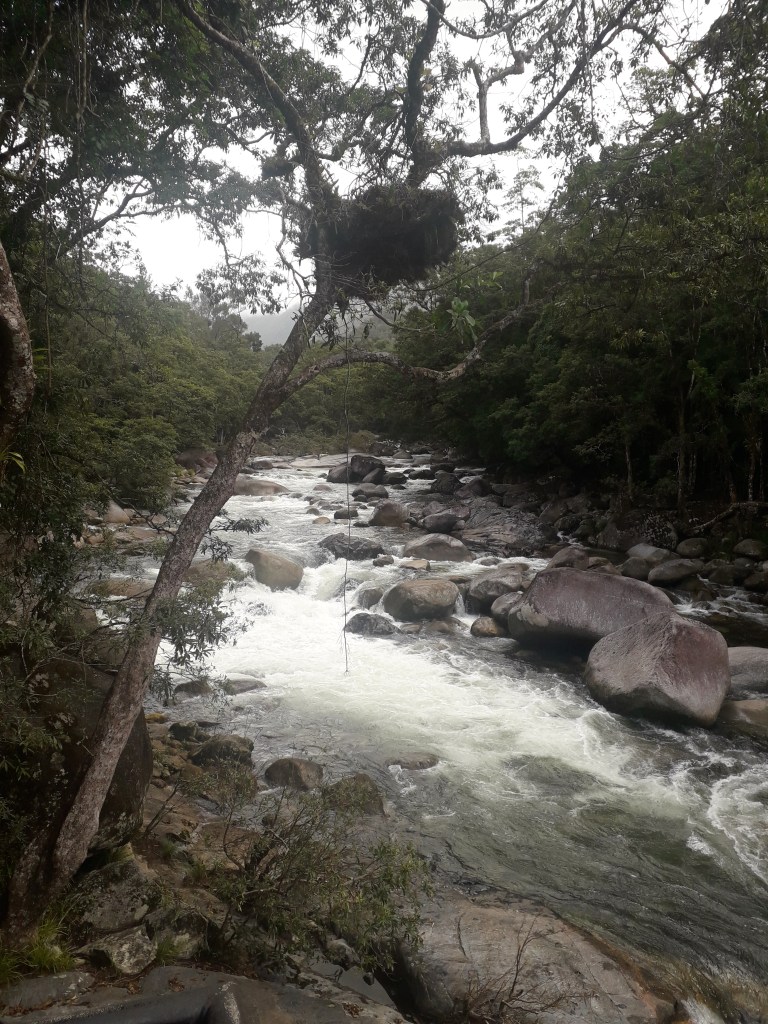
Fast running water cascading over rocks. Picture by the author
Biophilic design has gained significant traction over the last decade or so as a way to support well-being, improve quality of life in built environments and even improve productivity. For some designers – especially people in my own industry of interior landscaping – this starts and finishes with plants. However, there is much more to it than just greenery.
I have written before about the need to stimulate all of our senses to be truly biophilic. One way to achieve this is by incorporating non-rhythmic sensory stimuli. These include elements such as the sound of running water, the sight of flickering flames, rustling leaves, or the sensation of a gentle breeze. Ambient scenting may also be considered a non-rhythmic sensory stimulus, although this is a much more complicated issue and worthy of a separate article.
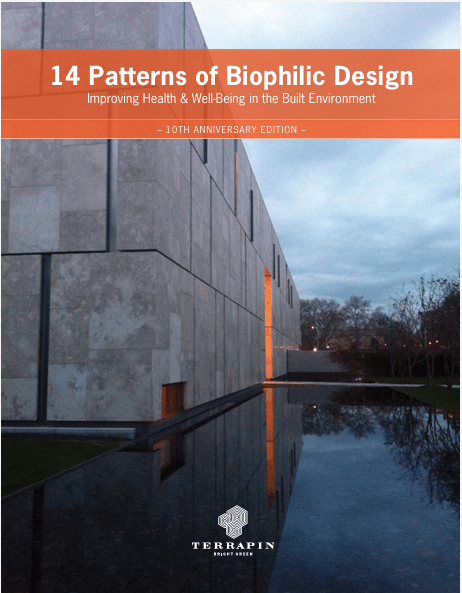
The incorporation of non-rhythmic sensory experiences into the built environment can offer additional ways to enhance well-being, productivity, and overall quality of life by making the biophilic experience more rounded. This is one of the 14+ patterns of biophilic design recognised in the iconic report by Terrapin Bright Green (which has been recently updated in its 10th anniversary edition, and which is very much worth a read).
The science behind non-rhythmic sensory stimuli
Non-rhythmic sensory stimuli are characterized by their variability and unpredictability, which is in contrast to the often monotonous and repetitive patterns found in the artificial settings of the built environment. These stimuli are common in natural settings. Research suggests that such patterns engage our senses in a way that promotes relaxation, reduces stress and may even enhance our cognitive abilities.
One study Joye et al. (2013) suggested that non-visual sensory stimuli, such as the sound of water or wind, can significantly reduce stress and improve mood. The study found that these stimuli activate the parasympathetic nervous system, which is responsible for the body’s “rest and digest” response. It has been suggested that this could counteract the effects of chronic stress. Similarly, the visual unpredictability of natural elements, such as the movement of flames or shifting shadows as the sun shines through vegetation blowing in the breeze, might capture attention in a non-intrusive way, fostering a sense of calm.
One of the most significant benefits of non-rhythmic sensory experiences is their ability to reduce stress and anxiety. In a world dominated by structured routines and artificial environments, the introduction of natural, irregular patterns can provide some form of mental escape back to nature. For instance, the sound of running water, whether from a fountain, an indoor waterfall or even from an electronic soundscaping system has been shown to reduce stress, as measured by skin conductance (Alvarsson et al., 2010), something that could be valuable in high-stress environments such as some offices, hospitals, and schools.
Moreover, non-rhythmic stimuli can evoke positive emotional responses. The sight of dancing flames in a fireplace or the gentle movement of curtains in a breeze can create a sense of warmth, comfort, and nostalgia. These experiences tap into our evolutionary connection to nature, fostering feelings of safety and well-being. Over 30 years ago, Roger Ulrich (1993) wrote that exposure to natural elements can elicit positive emotions and reduce feelings of anger, fear, and sadness, which are often exacerbated by sterile, artificial environments.
Cognitive and productivity benefits
Incorporating non-rhythmic sensory experiences into indoor spaces can also enhance cognitive performance and productivity. Research by Kaplan and Kaplan (1989) on Attention Restoration Theory (ART) suggests that natural environments, with their innate variability, provide a restorative effect on mental fatigue. Non-rhythmic stimuli, such as the sound of a breeze or the sight of moving water, can serve as “soft fascinations” that allow the brain to recover from the demands of focused attention.
In the workplace, it has been suggested that the introduction of non-rhythmic elements might be linked to improved concentration, creativity, and problem-solving abilities. Anecdotal reports suggest that people working in environments with natural sounds, such as flowing water or bird songs, experienced higher levels of satisfaction and productivity compared to those in traditional office settings.
Similarly, the use of dynamic lighting systems that mimic the shifting patterns of natural light can help regulate circadian rhythms, improving alertness and reducing fatigue. Research carried out at the BRE and presented at the Wellness and Biophilia Symposium in 2019 showed a relationship (in some scales) between dynamic lighting and improved self-reported wellbeing.
Practical applications in the built environment
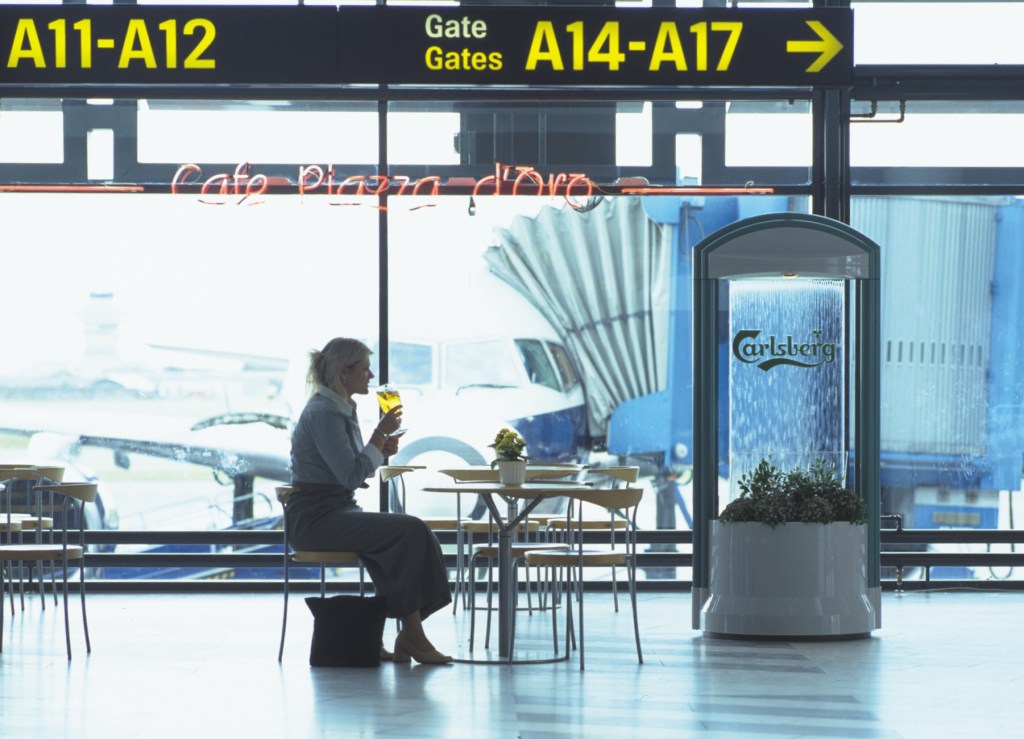
The use of non-rhythmic sensory experiences into indoor spaces is now being incorporated in some workplaces, and can be achieved through a variety of design strategies. Water features, such as indoor fountains or aquariums, can provide both auditory and visual stimulation. . Similarly, the use of natural materials, such as moss, foliage, wood and stone, can enhance tactile experiences and evoke a sense of warmth and authenticity.
An indoor water feature in an airport
In addition to these physical elements, technology can play a role in bringing non-rhythmic experiences indoors. For example, dynamic lighting systems that mimic the changing patterns of natural light can stimulate the brain not unlike being outdoors throughout the day and soundscapes that replicate natural environments, such as forests or beaches, can be used to create a calming atmosphere in offices, schools, and healthcare facilities.
Virtual reality systems that simulate natural settings can also provide immersive sensory experiences, particularly in environments where access to nature is limited. I once visited a place where there were no windows in one part of the building, so screens were set up linked to cameras mounted on the external walls so the view from outside could be brought in.
I can help you with your biophilic designs
If you are a designer or are planning some biophilic interventions in your building and would like some advice on how to incorporate non-rhythmic stimuli, please get in touch. I know lots about plants, a fair bit about water and scenting and I can put you in touch with plenty of people that are experts in some of the other patterns.
Processing…
Success! You're on the list.
Whoops! There was an error and we couldn't process your subscription. Please reload the page and try again.
One of the most popular videos on Netflix at the moment is an open fire. Logs alight with bright flames dancing and the sound of the wood crackling and popping as the wood burns. Similar videos can be found on You Tube and many other platforms, and they gain millions of views.
For many people, especially those living in urban settings, live fires aren’t possible. Smoke control regulations for good air quality makes lighting a fire unlawful in many circumstances (and can exacerbate poor air quality, especially in the winter). More modern homes, as well as flats and other high-density housing won’t have fire places, so a even if a real fire was desirable, it isn’t going to be possible.
Modern heating systems are much better at distributing warmth around the home, and are probably a lot cheaper than buying in a load of seasoned logs, so flames seem rather redundant.
Yet, we humans seem to have a primeval urge to be drawn to flames. It could be videos, or even the flame effects that you can find on electric fires, or our desire to light candles (or even switch on LED flames in fake candles) to create an atmosphere when a light bulb is far more efficient.
Objectively, flames in the home are a terrible idea. They are polluting, inefficient, labour-intensive and can be expensive. If left unattended, they can also be dangerous. A radiator and a light bulb are much easier to live with. So why do we like flames?
Biophilic design is used to make us feel comfortable in the artificial environments of our modern, unnatural homes and workplaces. Reconnecting ourselves with the sensory stimuli that enabled our species to survive in our wild, natural environment means that we can reduce stress and live happier, healthier and more productive lives. One of the elements of biophilic design that is often left out of our buildings is non-rhythmic sensory stimulation.
Non-rhythmic sensory stimulation can manifest itself in many ways – some of which will be expanded upon in future posts – but examples can include the sound of water in streams or rainfall, birdsong, the dynamic use of shadows that move across a space over the period of a day, the feeling of a refreshing breeze on the skin or the pleasure of a warm shower to relax under, rather than just for the utility of hygiene. It can also be found in the movements of flames, the curling of smoke and the irregular popping and crackling of wood.
In buildings, these elements can be incorporated into design. Soundscaping and lighting design can be used creatively. Objects, such as plants and furnishings can be positioned to cast shadows and simulated fire can create feelings of cosy security.
Biophilic design is all about creating spaces in the built environment that are healthy, happy, engaging and effective. You may know that the reason why biophilic design works is because we create spaces that allow us to rebuild connections to nature and our natural habitat. We enrich our spaces to make the lives of domesticated, ‘battery humans’ so much better. In the workplace, biophilic design can lead to better business outcomes. More productivity per kilowatt hour of energy consumed – so possibly a gain for the environment.
A significant element of almost every biophilic design is greenery – indoor and outdoor plants displayed in a naturalistic fashion. It is easy to assume that, because live plants are being used, that they must be an environmentally-friendly addition to any building.
But does that assumption survive scrutiny?
Does the green part of biophilic design create a net benefit to our environment?
Interior landscapers, the providers of office greenery, use a variety of plants in their schemes. Indoor plants tend to have their natural origins in the tropics and subtropics – places where seasonal variation is minimal (much like the insides of buildings, which also have a near constant environment. Office blocks and rainforests have more in common than you might think.) This doesn’t mean that indoor plants are sourced from the wild – that would definitely be bad for the environment. They are grown by specialists under controlled environmental conditions in nurseries. In temperate climates, the use of native species in buildings is guaranteed to fail.
In Europe, most indoor plants are sourced from The Netherlands. Dutch growers have perfected the art of producing millions of plants using quite complex technology to regulate the light, temperature, water and plant nutrients used in their glasshouses to produce pristine crops to exacting specifications. However, this comes at a cost. The energy used to heat and light their glasshouses has to be generated somewhere. The water used for irrigation is treated with fertilizers and any left over has to be recycled and re-treated before it finds its way back into the environment.
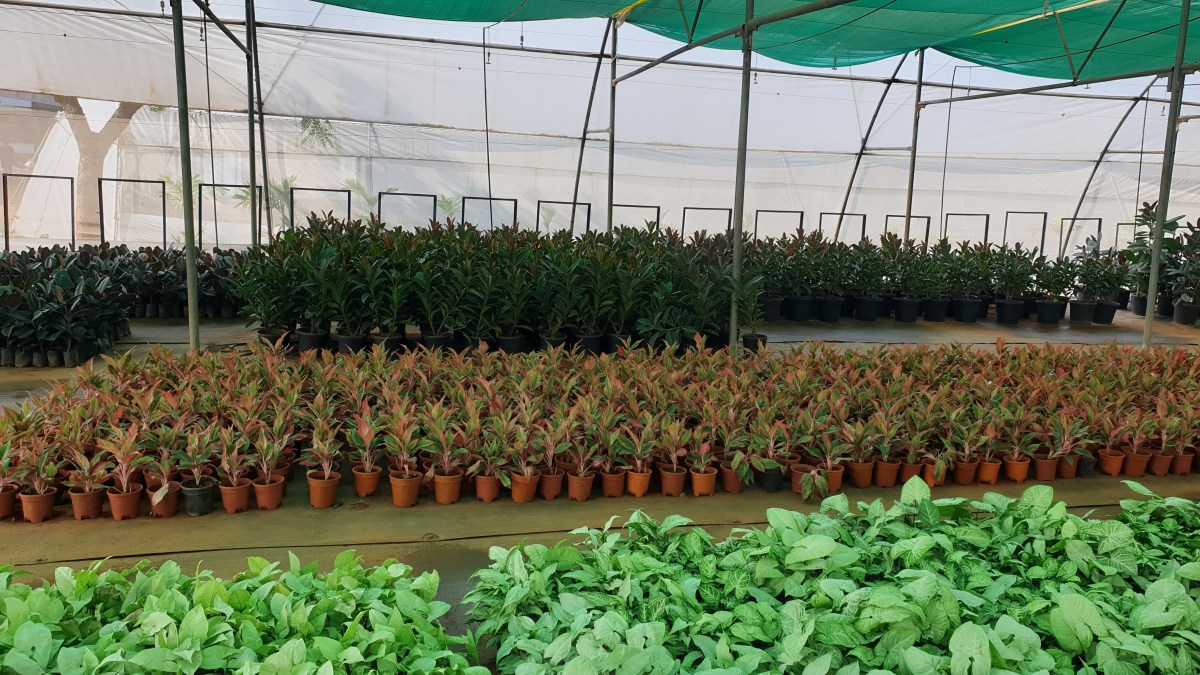
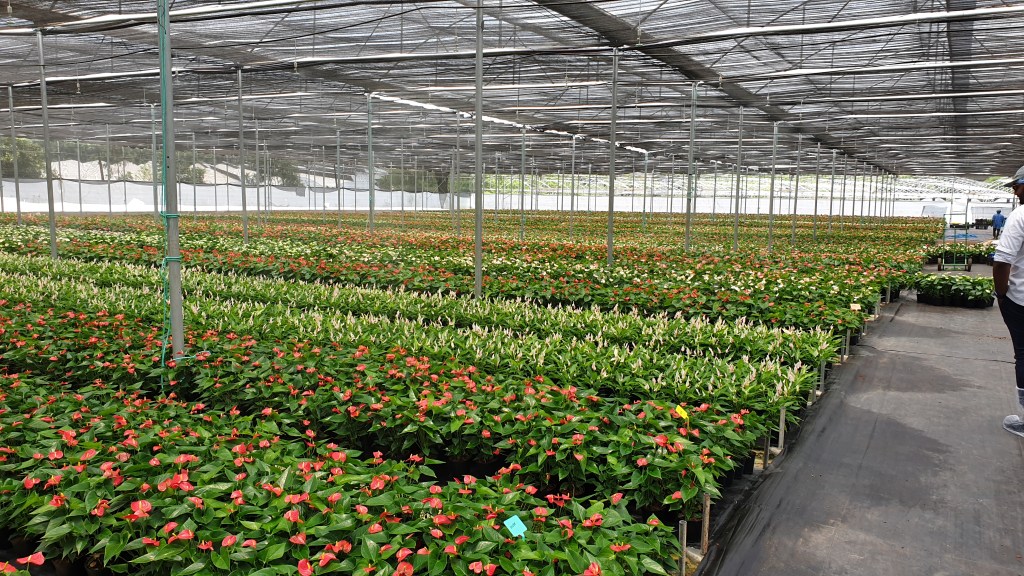
Interior landscape plants at a Dutch nursery (image from Koberg bv)
Over the last few years, the Dutch nursery industry has significantly reduced its inputs, with a significant reduction in the impact it has on the wider environment, but let’s not shy away from the fact that nursery production is a resource-consuming industry.
Another impact on the environment comes from the substrates used to grow the plants. Peat is still used (and not just in Europe). Even where it is no-longer extracted from fragile habitats, its extraction can lead to significant greenhouse gas emissions. As the peat dries out and oxidizes, it releases carbon dioxide. This carbon dioxide is, essentially, a fossil fuel. It was originally taken out of the atmosphere thousands of years ago by the mosses and sedges alive at the time.
Fortunately, peat is being used less and more sustainable substrates are now being used, such as coir, composted green waste and even volcanic minerals (vulcaponics).
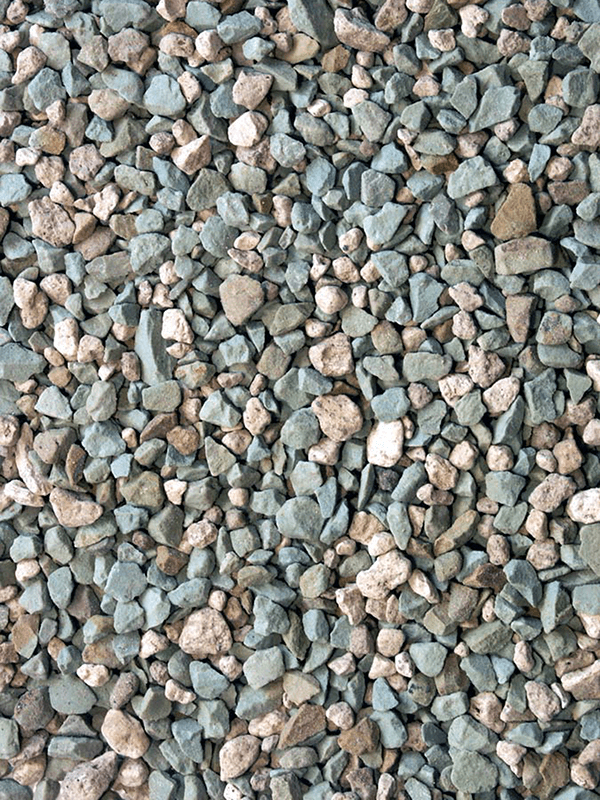
Vulcaponic substrate
Once the plants have been produced, they need to be transported to the buildings where they are going to be installed. Hundreds of trucks burn diesel fuel transporting plants from the Netherlands to all over Europe and beyond.
What about other countries?
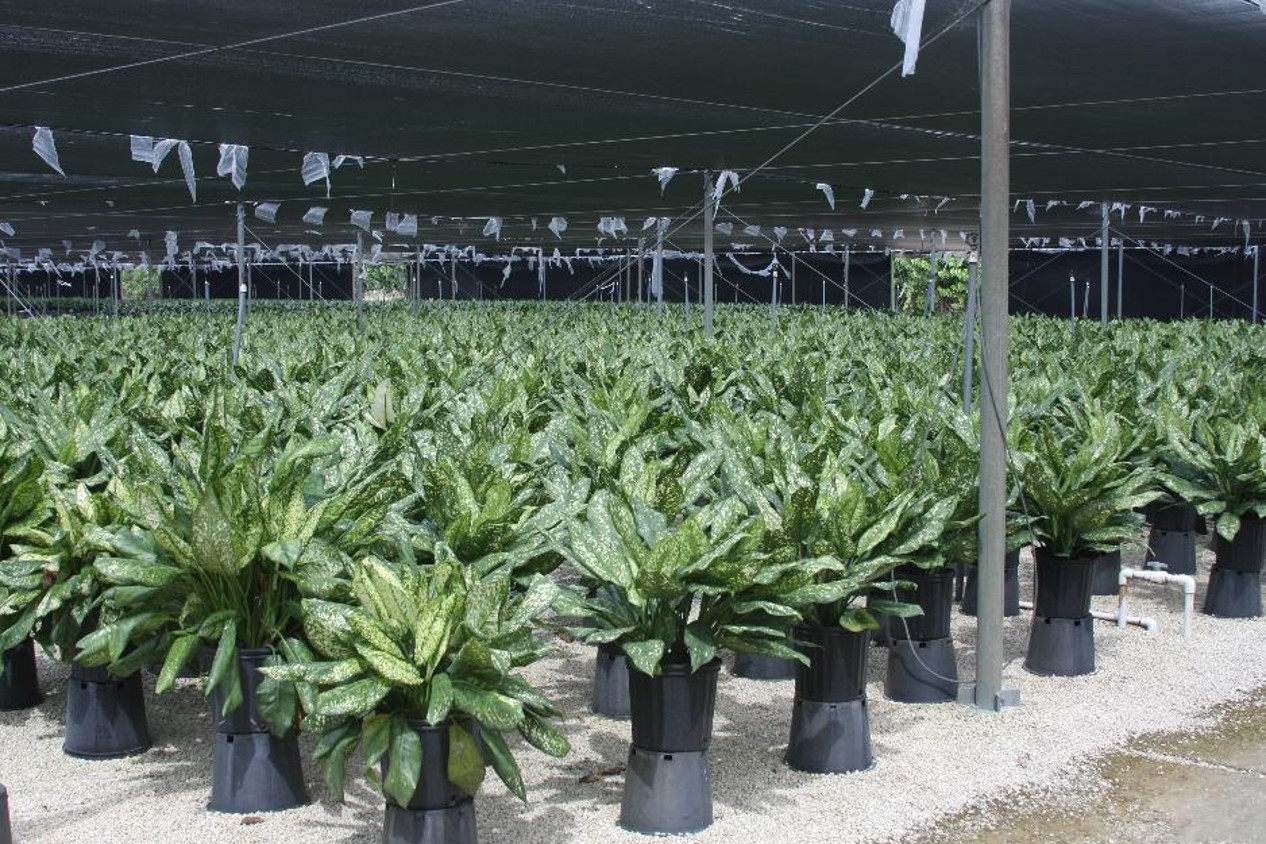
In North America, plant production is rather less intensive. In the major growing areas of Florida and California, plants are grown more-or-less outdoors under polythene and heavy shade cloth. The energy inputs are significantly less than in Europe, but other inputs, such as pesticides tend to be higher.
Plants in a US nursery under heavy shade (image by Matt Kostelnick)
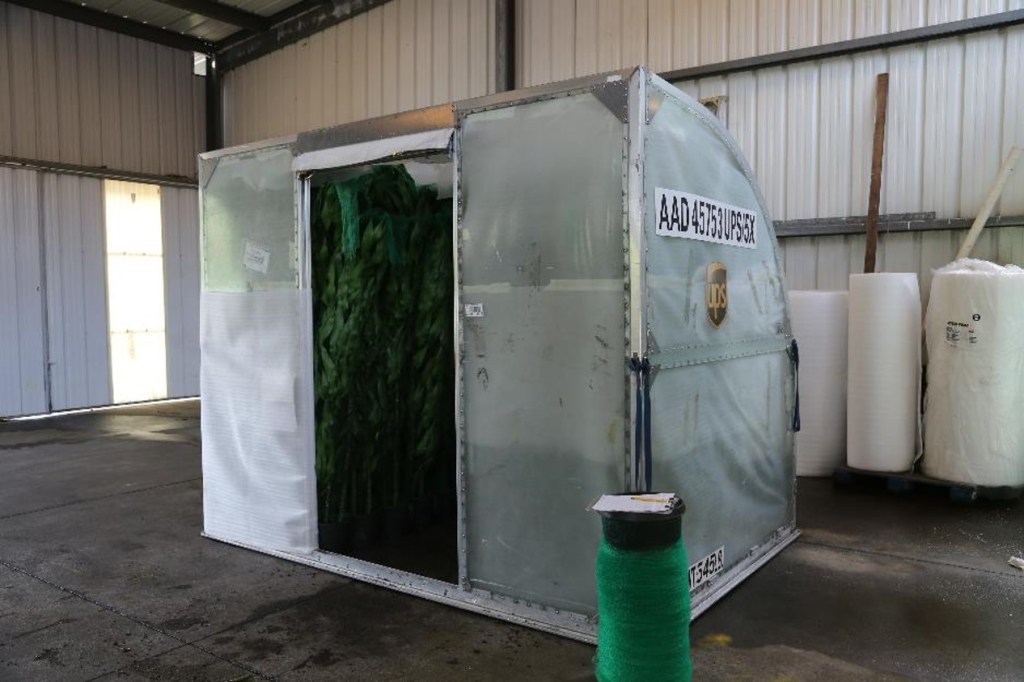
Here, as in Europe, plants need to be transported across an entire continent. Large, climate-controlled trucks drive thousands of kilometres to deliver plants from Florida to Montreal and all places in between and sometimes, plants are even transported by air.
Air transport container loaded with plants (image by Matt Kostelnick)
Many plants used by interior landscapers in Europe also spend some of their lives growing in fields in Central America before being sent to the Netherlands for finishing, and many large trees and palms used in European buildings are grown in Florida and shipped to the Netherlands for acclimation and preparation before they are then sent to their final destination.
Florida and California are both subject to ever more extreme climate events. The Florida nursery industry has often suffered existential threats due to hurricanes, and California is frequently under severe water stress.
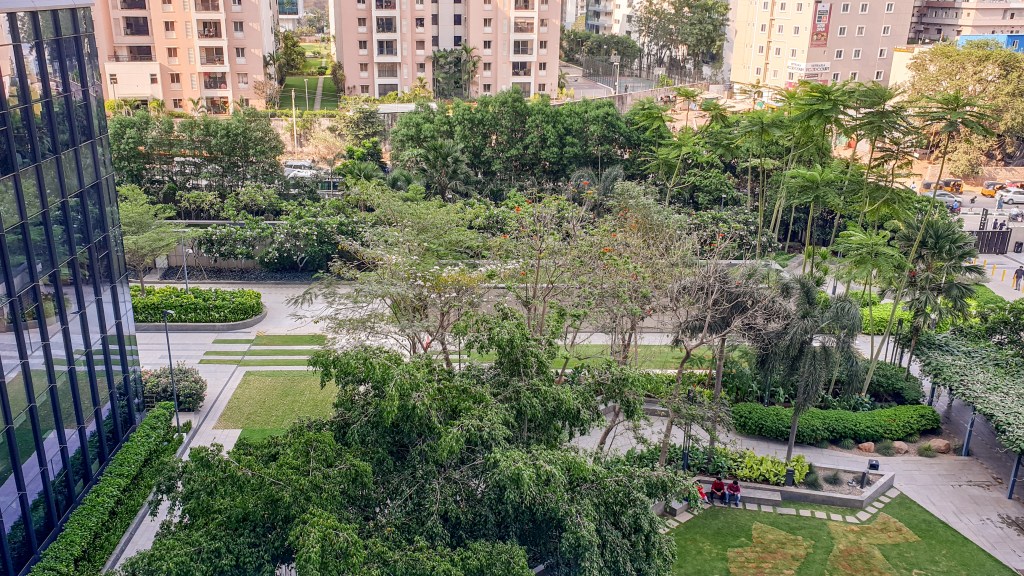
There are other places in the world where indoor plants are grown. I have recently visited India, where vast office complexes are being constructed at an astonishing rate. These buildings are being constructed to the highest standards – often to high LEED and WELL buildings specifications. Biophilic design is integral to these projects, both inside the buildings and in the campus environments where so many of them are being developed.
An office campus in India showing the extensive outdoor greenery to provide a pleasant working environment
In India, most of the plants used are grown locally by commercial nurseries. It is a very well developed industry, which is superficially similar to the Florida industry. Vast, heavily shaded polythene structures are used to grow exceptionally-good plants for both the retail and interior landscaping markets. Pesticide inputs are low, growing media are often locally-sourced coir-based products (essentially a waste product of coconut farming) and little, or no energy is used for lighting their nurseries. Supply chains tend to be relatively short (there are nurseries relatively close to many of the big cities), so that too is a benefit.
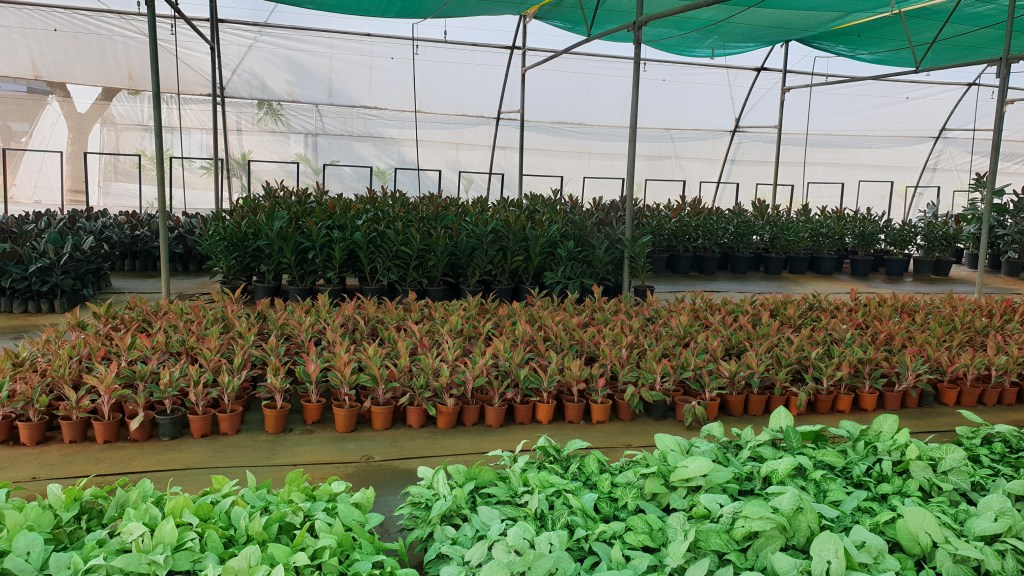
Tropical plants at a Nursery in India
However, every nursery owner that I spoke to (and it was a lot) is seriously concerned about climate change. Near Pune and Bangalore, temperatures are significantly above average, and rainfall is scarce. This is partly explained by the El Niño effect, which is near its peak, but there is no doubt that man-made climate change also has an impact.
Water shortages are a major concern. High on the Deccan Plateau, rivers are uncommon and much irrigation water is often sourced from boreholes and stored rainwater. Groundwater is rapidly diminishing and rains are increasingly unreliable.
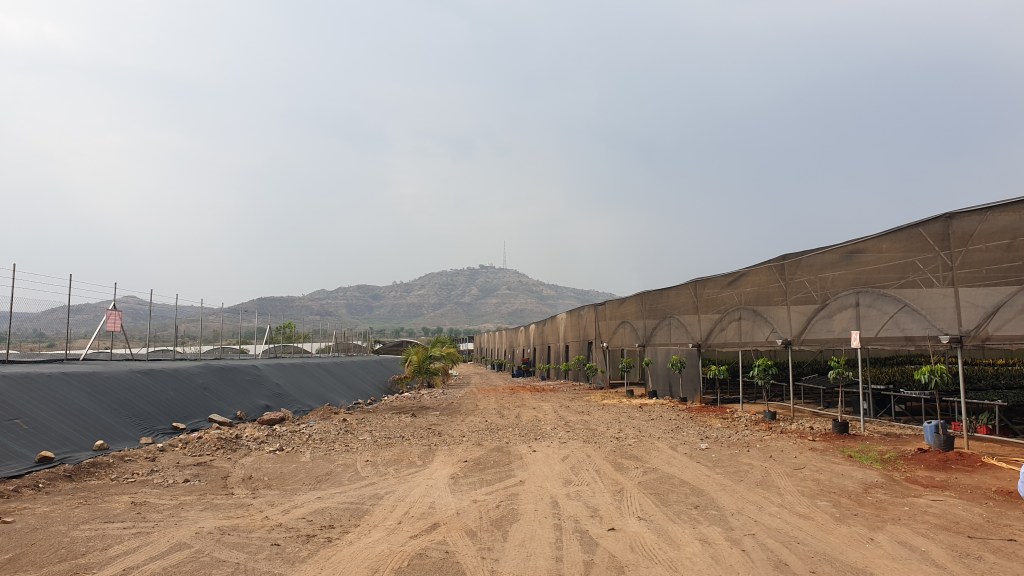
Commercial plant nursery near Pune, India. A large reservoir (structure on the left) has been constructed to store ever-diminishing supplies of water
The seemingly insatiable desire for indoor plants in India, due to the rapidly developing commercial real estate market, is threatened by changes happening to the environment right now.
Reasons to be cheerful
I don’t want to be too gloomy, though. Compared with other elements in the built environment (including other elements found in a biophilic space), greenery still contributes comparatively little to the environmental damage caused by commercial development (though it can be improved).
Plants are still a high impact, low cost addition to the built environment. If they make an organization more effective, you get more output (however you choose to measure it) for every tonne of carbon dioxide (or other harmful emission) put into our environment.
Processing…
Success! You're on the list.
Whoops! There was an error and we couldn't process your subscription. Please reload the page and try again.
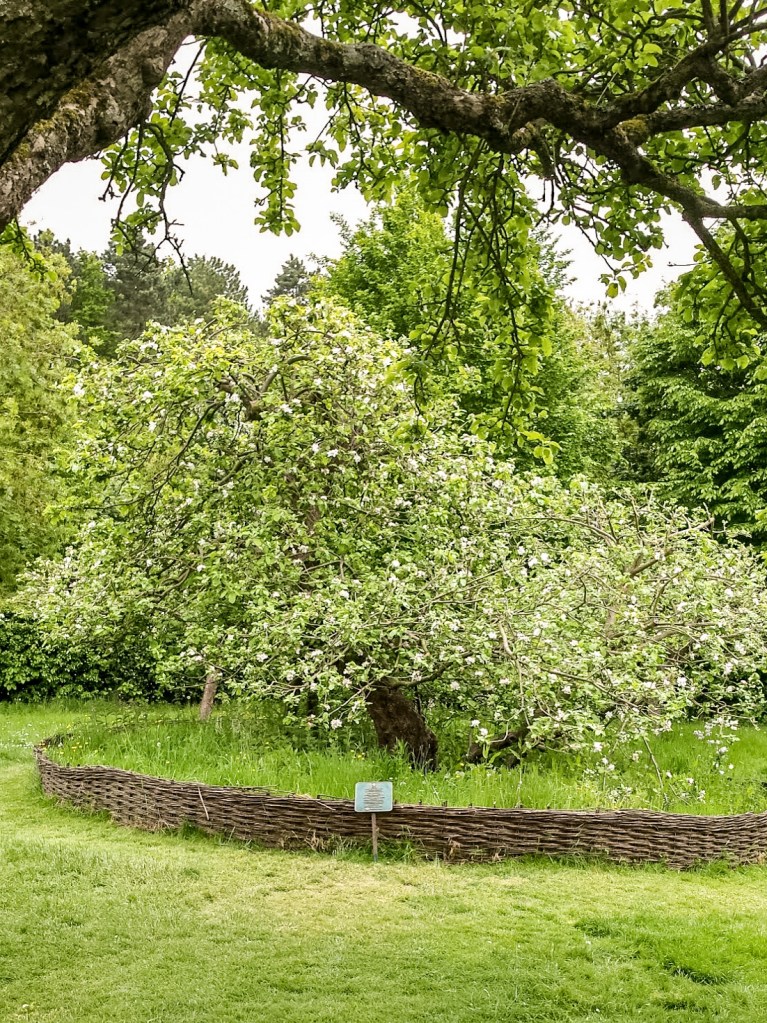
Isaac Newton’s garden at Woolsthorpe Manor, Lincolnshire
Did Isaac Newton contemplate the laws of gravity in meeting room 13N.21? No, of course not – he was famously in his garden in Lincolnshire.
What about Barnes Wallis? The idea of the Bouncing Bomb (of Dambusters fame) didn’t happen in a ‘collaboration zone’, but when skimming a stone across a lake. And Darwin didn’t come up with his theories of evolution in the confines of a meeting pod – his gardens at Down House, in Kent were his place of contemplation.
The poetry of Wordsworth wasn’t written as a result of sitting at a hot desk in a downtown office block, Hippocrates contemplated his theories of medicine sitting under a tree in the market place of Kos, and Archimedes had his eureka moment whilst having a bath.
There are innumerable examples of new ideas being inspired by something an inventor, philosopher, author or artist encountered outside of what we now regard as the workplace. Yet, if we were to believe the social media posts of commercial interior designers, or the marketing spin of companies boasting about how they have reimagined the workplace, you might think that we are entering a new golden age of discovery through the medium of office design.
We are certainly seeing more technology and a much wider range of space types inside office buildings (often supposedly to foster a sense of collaboration and creativity), and there is certainly a greater understanding of the principles and benefits (if not the application) of biophilic design.
The benefits of biophilic design in the workplace are becoming mainstream. The idea that bringing a sense of nature into our workplaces to support wellbeing and improve organizational outcomes is supported by a growing body of research, much of which has been referenced in some of my previous posts, and it is certainly true that you are more likely to be creative in a well designed, nature-inspired office space than in a sleek, bleak monochrome box.
A creative space?
It is interesting to note that in many businesses, there is a lot of ‘do as I say, not as I do’ attitudes from business leaders. As an office worker, you may be expected to be seen in the office and to make use of the investments made in design, but leadership ‘retreats’, often in nice country houses or rural resorts, are still common. They are justified on the grounds that such places, away from the distractions of the office (and annoying colleagues), are ideal for strategizing and creativity.
There are many good reasons why that might be true: I have written about why meeting rooms might not be so great for making important decisions because the elevated carbon dioxide levels found in such spaces can cause drowsiness and affect cognitive ability. Being away from distractions (or allowing yourself to be distracted by something divorced from normal work activities) is also great for thinking, and you never know where you might find inspiration. Being outdoors can certainly help – separating yourself from sources of stress and discomfort, and stimulating your senses by immersing yourself in fresh air and the sights, sounds and smells of nature can be inspiring.
Needless to say, hiring a resort is never going to be a cost effective solution to the needs of day-to-day creativity and imagination, but there are things you can do.
A good place to think
Go for a walk. Even if you work in an urban area, a short walk in the neighbourhood can be a useful break from the distractions of the office. In the UK, most people can get so some sort of green space within a few minutes.
Whilst you are on your walk, look around and look up – and take out your earphones.
Outdoor meetings are also worth trying. Again, the conscious act of taking yourself and colleagues away from the office gives space to think without fear of interruption.
If you work from home and have a garden, that is a good place for thinking time, or even for taking a coffee break.
Human beings are a uniquely creative species, and we are able to gain inspiration from the most unexpected places. And whilst variety and a wide range of work settings now found in modern offices are to be welcomed (management permitting, of course), confining ourselves to one space for work isn’t going to be enough to unleash inspiration and creativity.
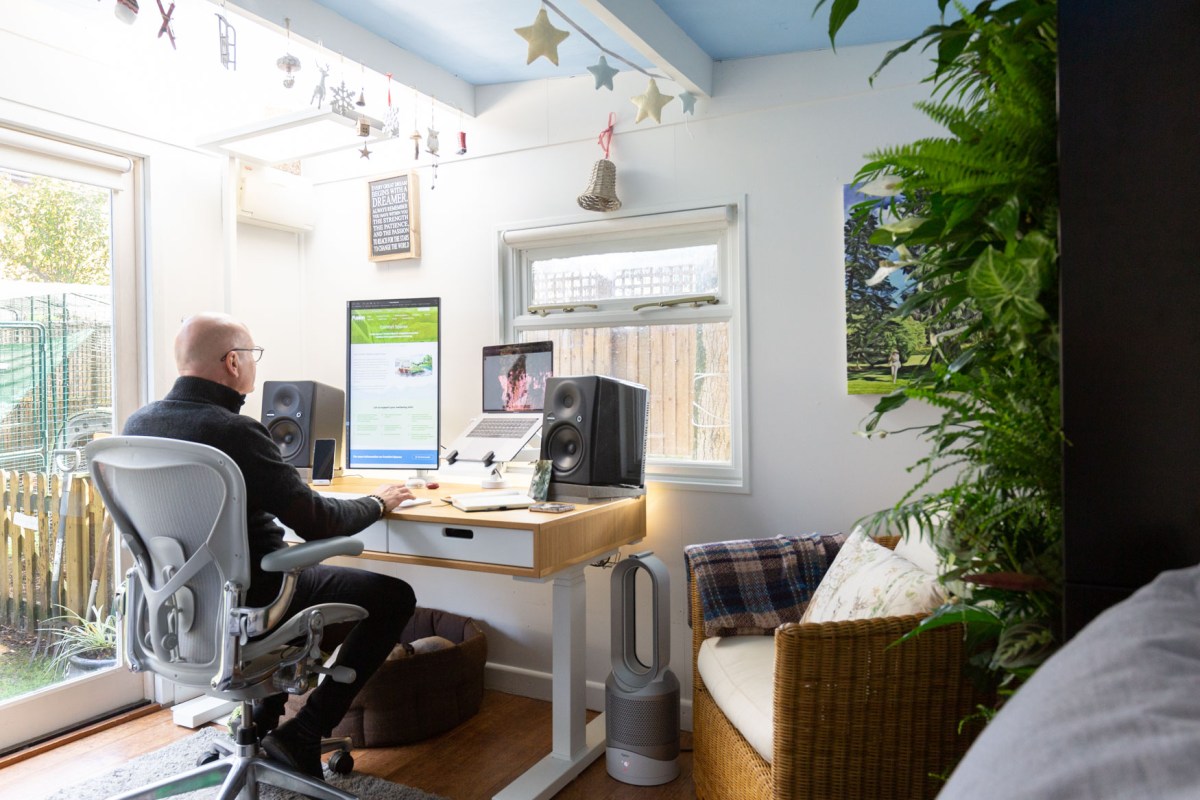
I recently started a contract for a couple of days a week with a UK interior landscaper to help with the launch of a new line of business. Most of my work is carried out from home, at my less than perfect home office set up (OK, it’s the dining table), but last week I needed to visit their premises.
It has been a while since I was last in an interior landscaper’s premises. Despite each company’s differences in set up and size, there is something quite special about walking into the plant storage and preparation area. All the plants stored and being prepared for new installations. Everything labelled and assigned to each plant technician for their weekly routes and racks of containers and sundries ready to be assembled into displays that bring life to commercial spaces.
There is also the atmosphere. There is no doubt that a space with thousands of healthy plants has a special feeling. There is the smell of compost and freshly-watered foliage. It is quiet – even when people are working, there is a sense of calm, and there is a sea of green. I have written before about the human eye’s ability to discern hundreds of different shades of green, and in locations like this, you will certainly many of them.
I spend most of my working life at a desk: writing about workspaces, writing about interior landscaping, joining video calls and meetings (that was my work pattern for years, even before the pandemic), so this trip out was a welcome chance to refocus.
Biophilic design need not be confined to office buildings and other commercial spaces. The benefits of biophilic design can be obtained in the home office too, and without having to spend a fortune. This post explores the benefits of biophilic design and gives some very simple and cost-effective tips to help you thrive in your home working setting.
What is biophilic design?
Biophilic design is a design process that brings the theory of biophilia into the built environment. Biophilia is a theory rooted in evolutionary biology and genetics, and was first popularized by Edward O Wilson in his classic book, Biophilia, published in 1984. Essentially, the theory reminds us that we are animals that have spent over 99% of our evolutionary history living in environments, such as the open plains of Africa. During that time, our survival as a species depended our senses being fine-tuned to that environment, and our reliance on various species of plant, animal and fungus for food, shelter and fuel.
It is only a few short centuries since we ceased being hunter-gatherers and domesticated ourselves to live in artificial environments, such as cities. In less than a thousand generations, we divorced ourselves from our natural environment and the sensory stimuli that we need to thrive.
Biophilic design is a way of creating environments that rebuild some of those sensory and biological connections, which reduce stress and increase wellbeing and happiness. Consider the domestic chicken. As a wild animal, the jungle fowl is a forest-dwelling bird that thrives by scrabbling around on the ground, picking up a varied diet of seeds, leaves, insects and other invertebrates. When domesticated and placed in conditions of intense population density and cramped conditions, they fail to thrive. However, the free-range hen, even though far from its jungle home, has an environment much closer to its natural conditions, and can lead a less stressful life, often living longer and requiring fewer veterinary interventions.
The battery human, also once released into a free-range environment (even though we are still constrained by our physical environment and societal expectations – hunting and gathering in the streets of our cities will be frowned upon) will thrive, and biophilic design is one way of creating such an environment.
The home office environment
The office worker has, in many instances, been let loose from the constraints of the office. During the pandemic, the cathedrals of capitalism were deserted and the shiny factories of data processing and document production went quiet. Even now, offices are significantly less occupied than they were before Covid-19 and, despite the frantic calls from the owners and managers of underused and expensive property assets, it looks likely that working from home, at least part time, will remain a normal part of working life.
As a result, the newly liberated office worker was forced to create a new working environment in their homes.
For some, this has been easy – there may be a spare room that can be used, or space at a large dining table, or even a garden building that can be used. However, for many, especially younger people living in expensive shared accommodation, creating a usable space has proved a challenge.
Good weather in the spring and summer gives opportunities to take breaks outdoors, whether in a garden, a public spark, or even a walk around the local streets. However, wet and cold autumn and winter weather means that the outdoors is a little less appealing. We need to consider how to create a working environment that maintains some of those connections with the outside world. So how do we do it?
Some simple tips for a biophilic home office
Give yourself a view
If possible, arrange your workspace so that when you look up from the keyboard or screen you can see out of a window. Even if the view is of another building, it will be something distant to focus on, and that will ease eye strain and bring give you a sense of what is going on outside – it might hello you decide whether to venture out on a break, or hunker down in the warm, but whatever the weather, you will connect to the world outside.
Open a window
An open window will refresh the air and flush out excess carbon dioxide and other pollutants generated from within the home. It will also bring the sounds of the outside world in – you may hear voices or birdsong or the sound of the wind. It might also be traffic noise, but even that can sometimes be a relief from silence.
Buy some houseplants
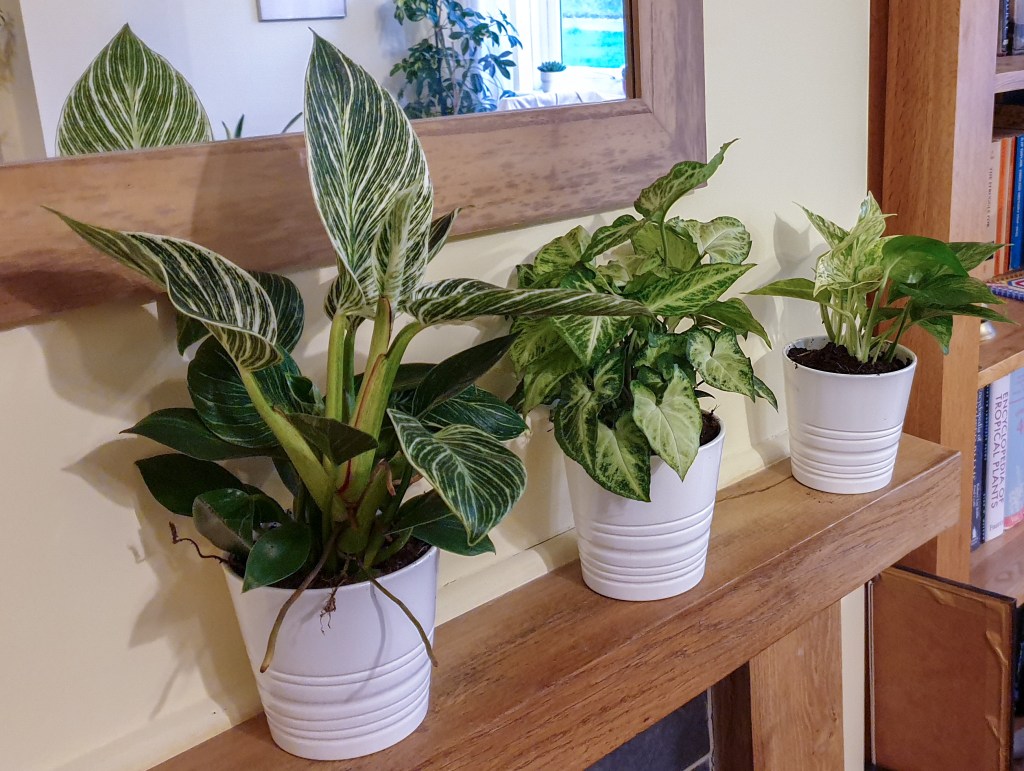
This is the eye-catching, Instagram-friendly intervention that will illustrate the pages of the colour supplements and lifestyle websites. However, it is an effective way of bringing some life indoors. Houseplants need not be expensive or huge. Ikea, for example, has some terrific plants and pots at very good prices (and I am an expert on indoor plants, so you can trust my judgement on this). They add green interest to the indoor environment and also demand some care. Watering (not too much), cleaning and trimming and arranging plants can be very therapeutic.
Follow your nose
Our sense of smell is our most primitive – detecting chemicals in the environment (which is what the sense of smell is all about) was the first sense to evolve in the animal kingdom. We often react to scents instinctively and before we are consciously aware of them, so we can use fragrances to create a multi-dimensional sensory environment very easily. The range and quality of home fragrances is more comprehensive than ever before, so there is bound to be something appealing. I’m not going to go down the road of recommending particular scents for particular settings or tasks – we risk straying into pseudoscience – just choose something that you, and your housemates, like.
Water
We use our sense of hearing and smell to detect the presence of water, often before we see it – this is a survival mechanism. As wild animals, we needed to be able to find safe water – not just to drink, but to find prey that also needed a drink.
The sound of rainfall or babbling streams can be found easily just by asking Alexa (or other smart speaker system). A fish tank or small indoor water feature can also be soothing.
Take care of your skin
The skin is your largest sense organ, but often the least stimulated in the working environment. As well as stopping your insides from falling out, your skin is home to sensors that detect temperature, pressure, movement and resistance, shape and texture and even changes in humidity and static electricity.
Don’t starve it of sensation. Use different textures around your workstation and allow your skin to be stimulated. Create a breeze (not a draught), experience some sunlight, walk barefoot, wear less if the temperature (or your need to be on a webcam) allows it or even take a shower for pleasure rather than utility.
Comfort is the key
Biophilic design isn’t just about plants. It isn’t about bringing nature indoors. It is about being comfortable – physically and mentally. Comfort brings happiness and happiness is the key to both life satisfaction and also job satisfaction. A little investment in comfort can pay huge dividends for the individual and employers relying on home-based workers.
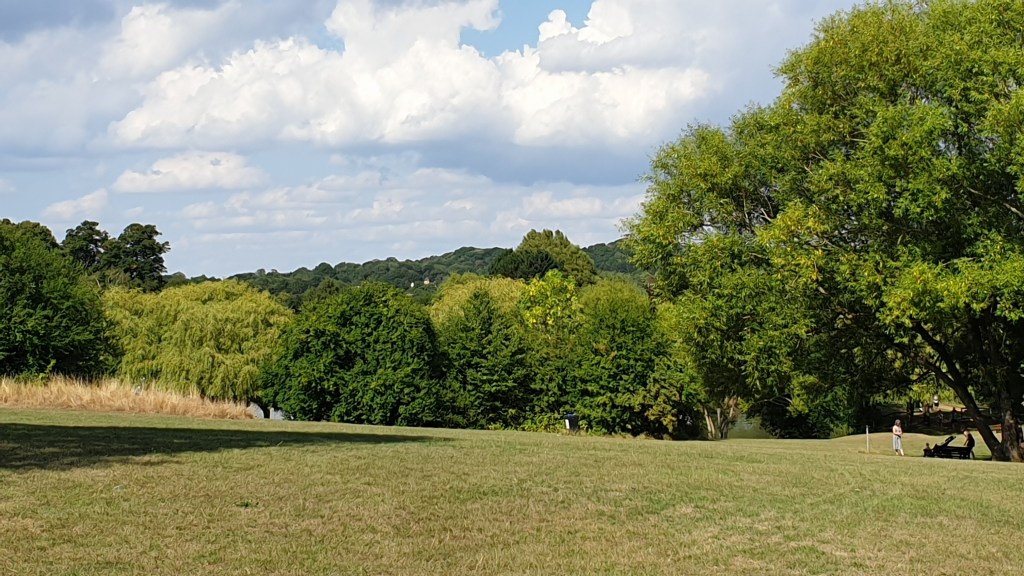
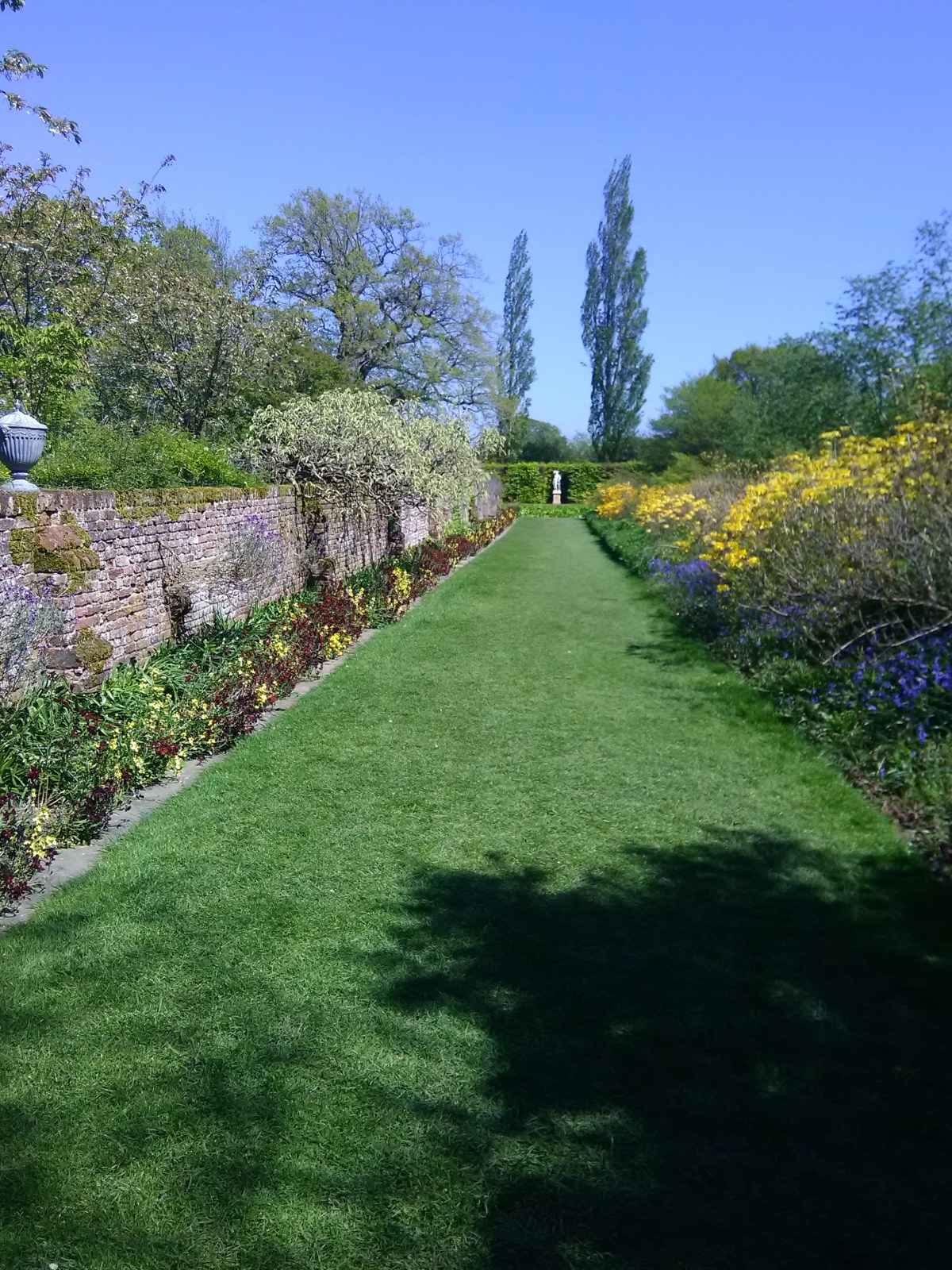
Over the last three months, as spring has turned to summer, and the weather in my corner of England has been spectacular, I have been acutely aware of how the landscape has been transformed by the colour green. The green things in the landscape have also changed, from the vibrant fresh shades of new foliage, to darker greens as leaves mature, or from the deep greens of cereal crops as they begin to ripen towards yellower shades and ultimately to golden brown.
Sensitivity
The human eye is especially sensitive to green. The shades that we name as green fall right in the middle of the visible spectrum and extend from the citrusy yellow greens to minerally blue greens. I have been told that humans can distinguish as many as 350 shades of green (although that may be an artefact of language – how do we really define green, especially at the extremes of what might reasonably be described as green?)
How many shades of green?
Symbolism
Green is a hugely symbolic colour too. Pagan religions from all over the world have symbols, such as the Green Man of North European folklore. These often represent both the power of nature and its sustenance. Green is sometimes related to magic and the presence of spirits too.
There was even a time – within living memory – that green cars were regarded as unlucky (at least that is what my grandmother told me. She was aghast when my father bought a mint green car in the 1970s, but that might just have been a comment on his taste).
Rosslyn Chapel Green Man – photo by Johanne McInnes. (licence CC by 3.0)
More positively, green represents sustainability and environmental responsibility. Green also means progress. Green for go is the universal convention for traffic management and for a safe state of affairs.
All of this symbolism can be directly linked to the colour’s ubiquity, and that is also directly related to the life giving quality of a green pigment called chlorophyll, without which, no complex life on Earth would be possible. You can almost feel the force of life coursing through green spaces in nature.
Green workspaces
Workplaces have been given the green light to re-open as the worst of the pandemic eases. Some have taken the opportunity to go green: plants screens and moss walls are being specified to ensure physical distancing and aid with pedestrian traffic flow.
Other workplaces are embracing the environmental opportunities that are afforded by allowing more people to be home based (for part, or even all of the time), reducing commuting time, emissions and energy bills and being available for those that cannot work anywhere else, or for when face-to-face collaboration is unavoidable. This might even lead to a significant reduction in office space occupancy, as this article in the Guardian recently explained.
Some are looking to a more human-centred future. Instead of offices being a place to go for all work, they might be hubs for collaborative effort: occasional places that are both sociable and productive.
Workplace managers are going to have to consider whole new interactions of disciplines in the very near future: space, furniture, technology, connectivity, restoration and recuperation, and new approaches to managing people. All will need repackaging to create work environments that people want to use.
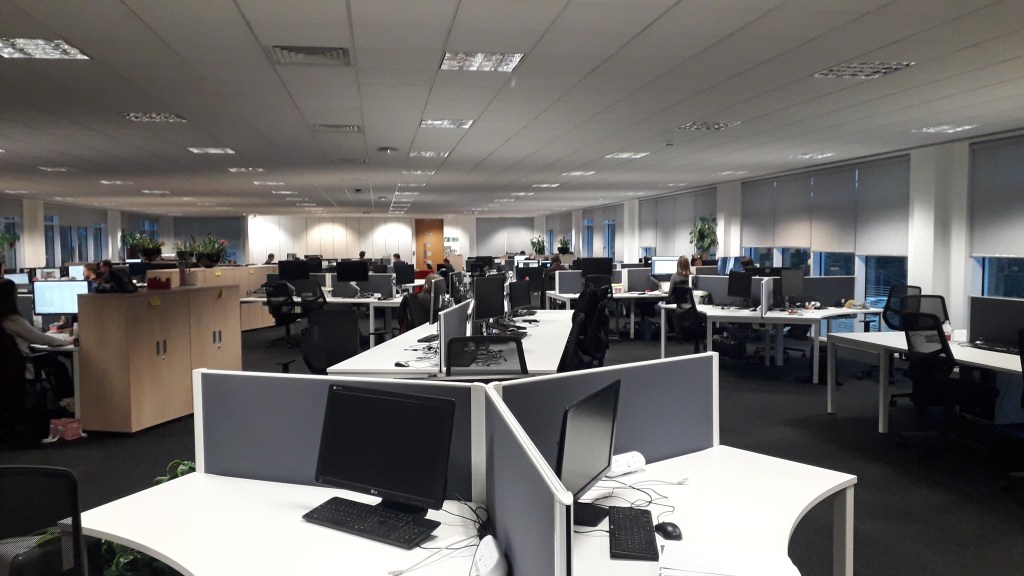
Unfortunately, a large number of workplaces are doing their best to recreate the pre-pandemic state, but with perspex and cubicles. A look at some of the FM web sites and magazines shows just how uninspiring some of these places can be. High screens, often in shades of grey, blocking not just the view of a colleague, but preventing views of the broader interior landscape or even through a window. Such spaces are, no doubt, hygienic, but they are also emotionally sterile too.
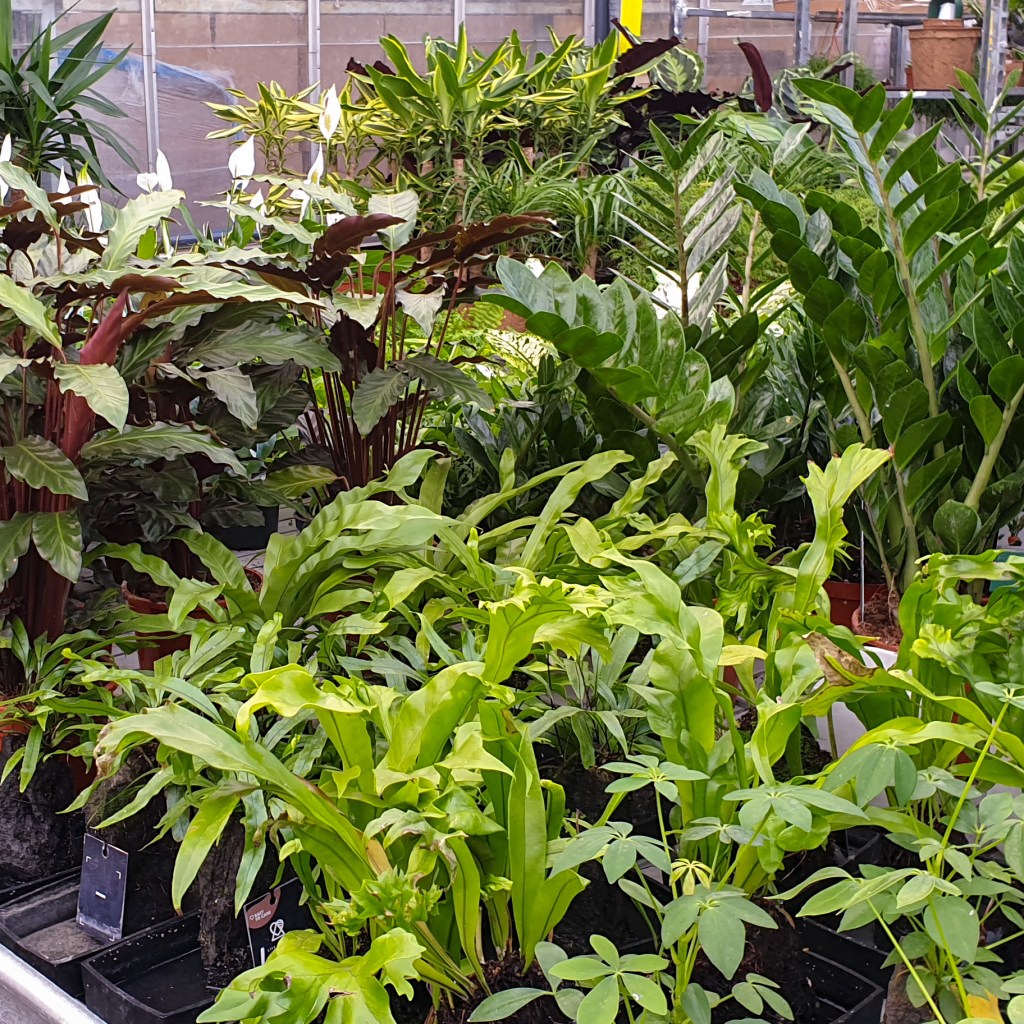
Maybe, our new-found appreciation of nature and a greater understanding of how we, as animals, respond to the rhythms of the seasons can help us create better working environments as a result.
In a fragile economy, those organizations willing to invest in creating more humane working cultures will be in the best place to attract and retain eager and talented people. Fortunately, those investments need not be huge in terms of cash and capital, but instead may require taking a little time to learn and reflect on what has been learned.
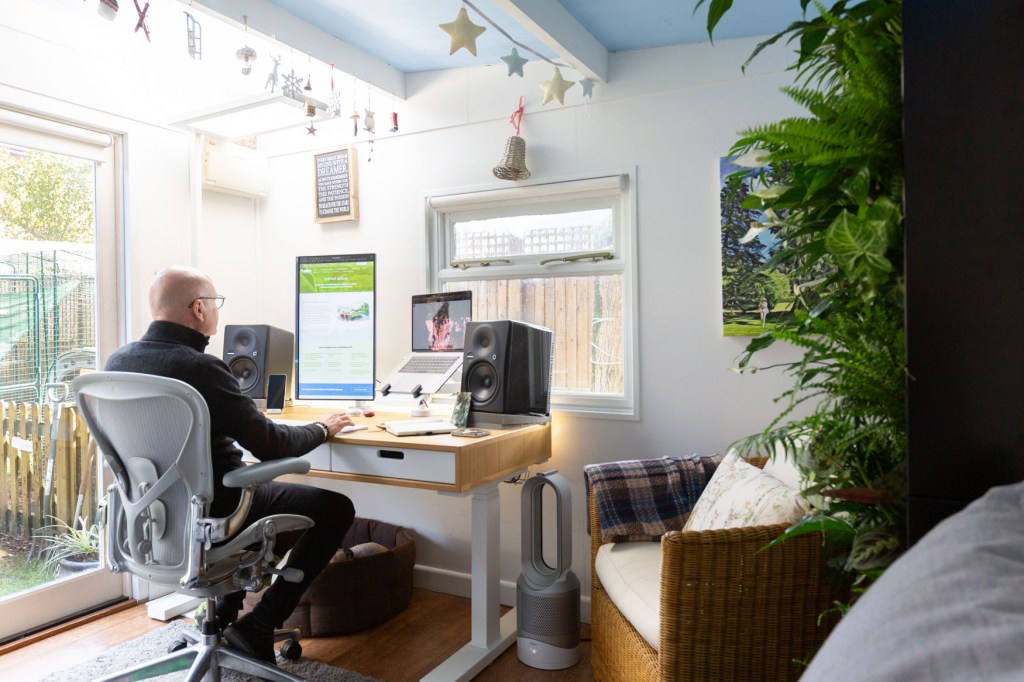

If you would like more detailed advice on creating workspaces that are humane and effective, please get in touch.
Thoughts on biophilia and biophilic design (part 1) – it’s as much to do with human physiology as it is an emotional response
I’ve been thinking a lot about why Biophilia and biophilic design has much more to do with evolution and the way our senses work, rather than the emotional response to nature that is so-often suggested.
Let’s look at one definition of biophilia. The most famous, and most important is that given by EO Wilson – the man who catalysed the development of the concept. In 1984, he defined Biophilia as “…the innate affiliation people seek with other organisms and especially the natural world.”
This is a strong statement. Wilson also speaks of the human bond with other species, which is beautifully explained in his book. This all suggests that biophilia is essentially an emotional need to connect with nature and natural surroundings.
Stephen Kellert, the grandfather of biophilic design, spoke of “our physical, emotional and intellectual inclinations for nature and life”. By expressing our need to connect with nature on an emotional level, we instinctively understand the concept. We remember that being in natural places makes us feel good and that the countryside or woodlands are instantly relaxing.
Bringing nature into our built environment – our offices and cities – is a great response to that feeling of calm we get when in nature. However, let’s examine why being in nature really makes us feel comfortable.
I contend that it isn’t wholly a psychological or emotional need, but much more of a physiological need, based on humanity’s evolutionary history and our origins in the plains of Africa.
If you were to take a mole away from its burrow and place it in an open, sunny garden, such as where we might want to spend some time, it would be stressed, frightened and try to dig a new hole. Its senses are not able to cope with the bright light, the lack of close skin contact and the shrill noises of birdsong. Millions of years of evolution have produced a creature that thrives in dark, damp, tight tunnels. This is where it finds food, shelter and other moles with which to mate. If we were to create an environment for a captive mole, it too would be dark, damp and tight, because that would be the humane thing to do.
A mole would rather be underneath this garden than in it!
When we create environments for humans – offices, for example – we tend to make them very space efficient, very energy efficient and completely unlike the environment where our species has spent over 99% of its evolutionary history.
Not our natural habitat
Humanity evolved on the plains of Africa. Wide open spaces with undulating landscapes. The vegetation was scattered and grew in clusters; water was plentiful and skies were bright.
Humans use their eyes to look for food and threats – sight is our most developed sense. Colour perception for us – the part of the spectrum that we can see – enables us to spot shapes (food or danger) against the background of vegetation, and recognise when fruits are ripe.
Our hearing is fine tuned to the noises of prey animals and the sound of running water. Our sense of touch helps us to determine the quality of materials that we can use for shelter, and our sense of smell tells us what is safe to eat. Our senses are highly adapted to that environment. Those senses evolved to enable our species to survive. If we stress our senses, we react as if there is a threat to our survival. Stress hormones prepare us to fight or flee. Our senses become overwhelmed or under used.
Biophilic design is the trend of the moment and is associated with wellbeing. However, many designers think mainly, or only, in terms of the emotional, almost spiritual, need to connect with nature. This can be an effective approach, is easily understood and has a lot of merit.
However, I think we can create more effective spaces if we unpick what we mean by an emotional response and use a sensory approach to design. Let’s stimulate our senses the way nature intended.