The biophilic home office

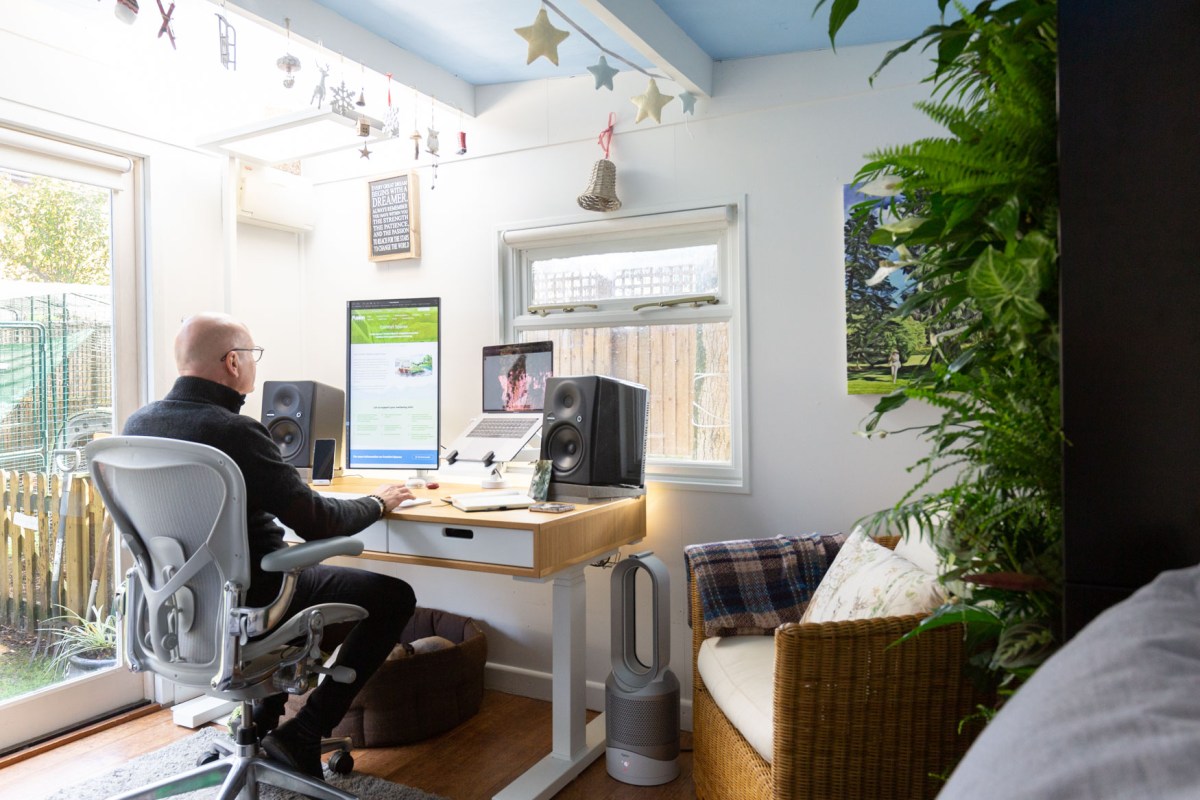
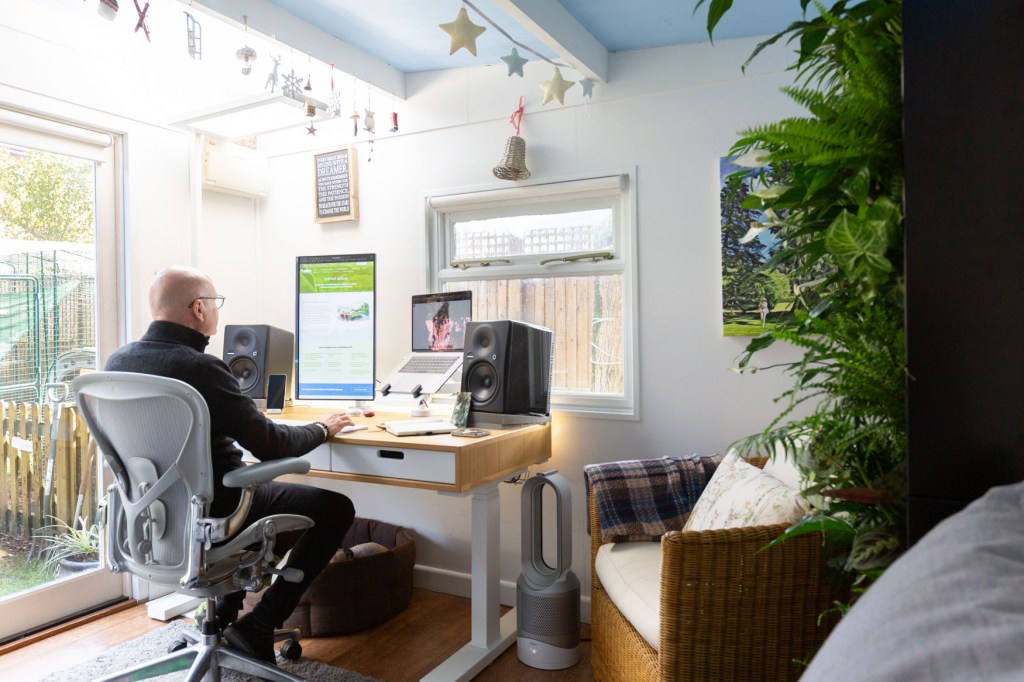
Image of a home-working set up that is ergonomic and has elements of biophilic design
Image by Simply-C-Photography for Fusion Spaces

Biophilic design need not be confined to office buildings and other commercial spaces. The benefits of biophilic design can be obtained in the home office too, and without having to spend a fortune. This post explores the benefits of biophilic design and gives some very simple and cost-effective tips to help you thrive in your home working setting.

What is biophilic design?

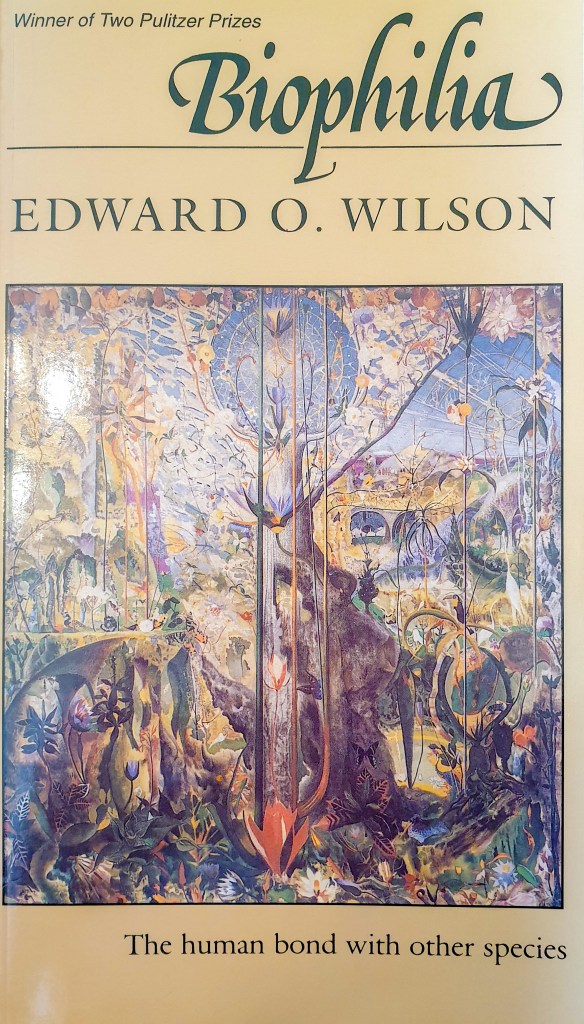
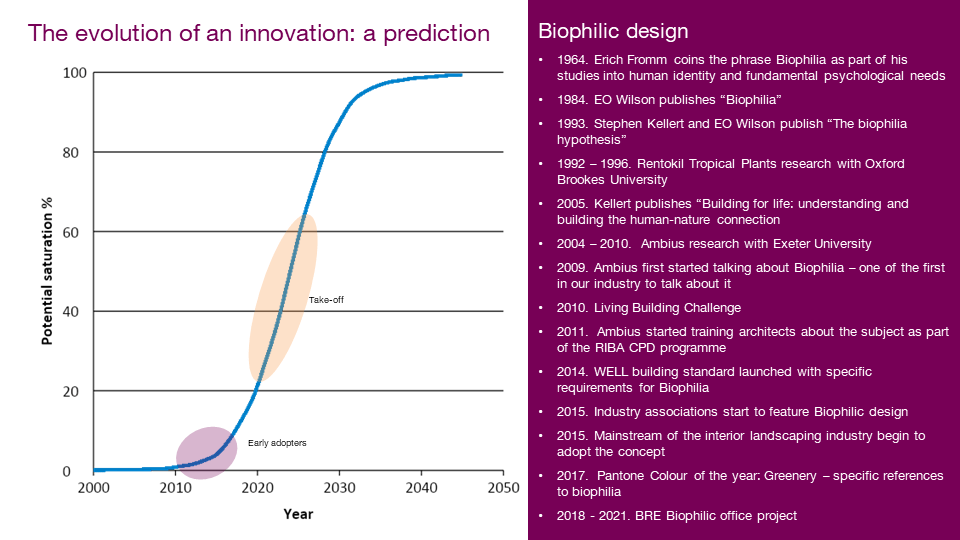
Biophilic design is a design process that brings the theory of biophilia into the built environment. Biophilia is a theory rooted in evolutionary biology and genetics, and was first popularized by Edward O Wilson in his classic book, Biophilia, published in 1984. Essentially, the theory reminds us that we are animals that have spent over 99% of our evolutionary history living in environments, such as the open plains of Africa. During that time, our survival as a species depended our senses being fine-tuned to that environment, and our reliance on various species of plant, animal and fungus for food, shelter and fuel.

image of the book cover of EO Wilson's booked entitles Biophilia

It is only a few short centuries since we ceased being hunter-gatherers and domesticated ourselves to live in artificial environments, such as cities. In less than a thousand generations, we divorced ourselves from our natural environment and the sensory stimuli that we need to thrive.

Biophilic design is a way of creating environments that rebuild some of those sensory and biological connections, which reduce stress and increase wellbeing and happiness. Consider the domestic chicken. As a wild animal, the jungle fowl is a forest-dwelling bird that thrives by scrabbling around on the ground, picking up a varied diet of seeds, leaves, insects and other invertebrates. When domesticated and placed in conditions of intense population density and cramped conditions, they fail to thrive. However, the free-range hen, even though far from its jungle home, has an environment much closer to its natural conditions, and can lead a less stressful life, often living longer and requiring fewer veterinary interventions.

Image of battery hens
Photo by Artem Beliaikin on Pexels.com

The battery human, also once released into a free-range environment (even though we are still constrained by our physical environment and societal expectations – hunting and gathering in the streets of our cities will be frowned upon) will thrive, and biophilic design is one way of creating such an environment.

The home office environment

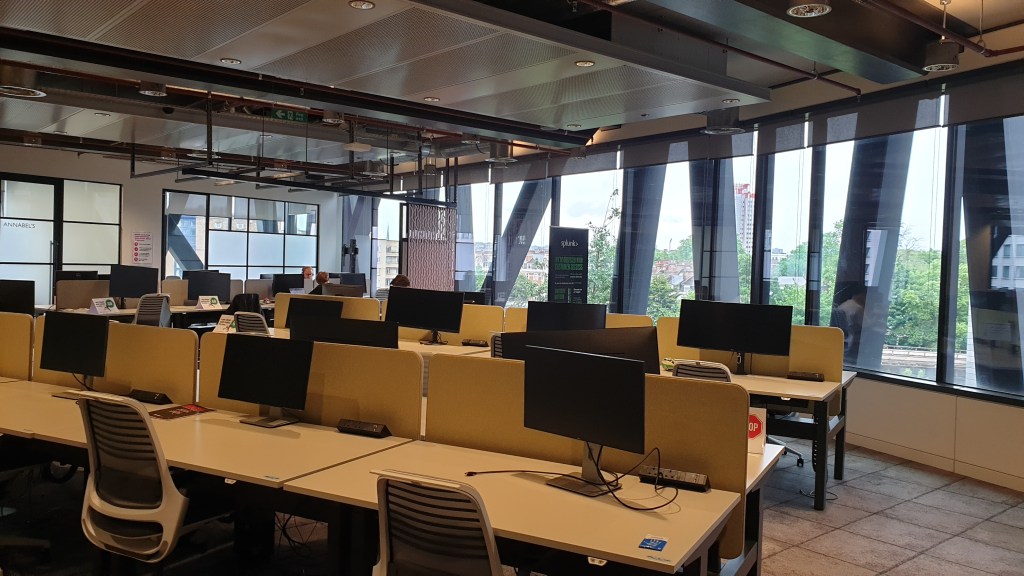
The office worker has, in many instances, been let loose from the constraints of the office. During the pandemic, the cathedrals of capitalism were deserted and the shiny factories of data processing and document production went quiet. Even now, offices are significantly less occupied than they were before Covid-19 and, despite the frantic calls from the owners and managers of underused and expensive property assets, it looks likely that working from home, at least part time, will remain a normal part of working life.

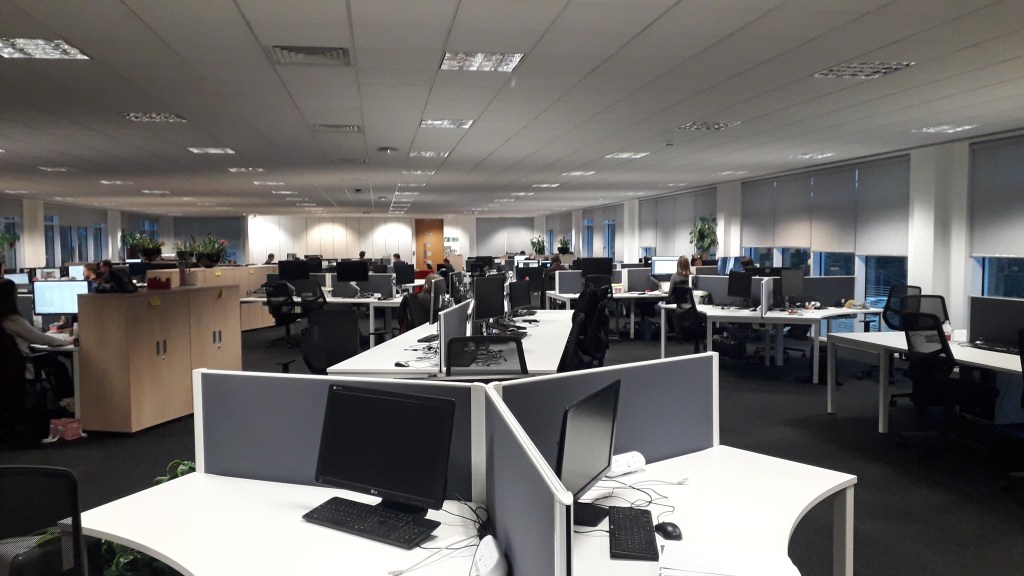
Image of an unoccupied modern open-plan office

As a result, the newly liberated office worker was forced to create a new working environment in their homes.

For some, this has been easy – there may be a spare room that can be used, or space at a large dining table, or even a garden building that can be used. However, for many, especially younger people living in expensive shared accommodation, creating a usable space has proved a challenge.

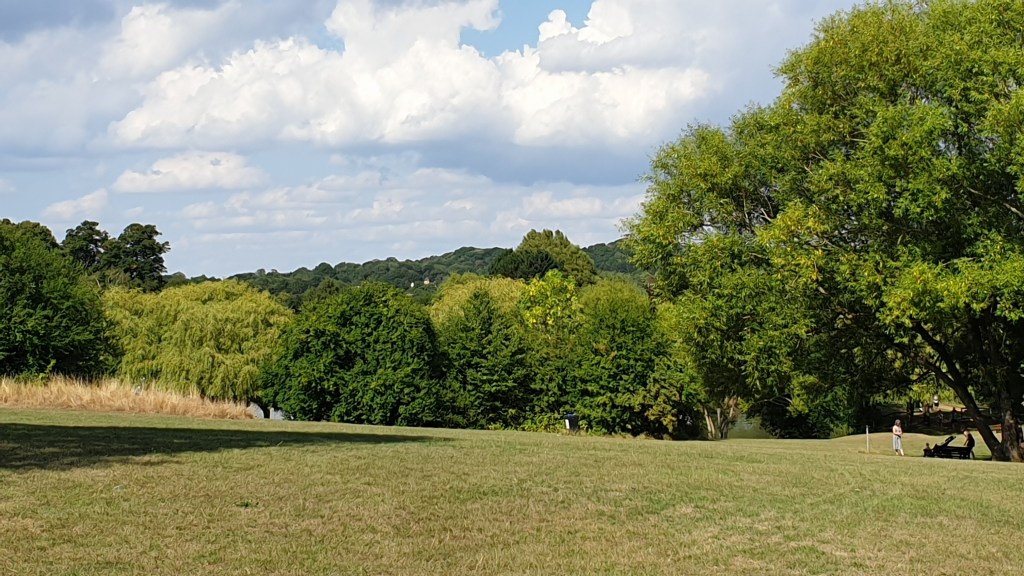
Good weather in the spring and summer gives opportunities to take breaks outdoors, whether in a garden, a public spark, or even a walk around the local streets. However, wet and cold autumn and winter weather means that the outdoors is a little less appealing. We need to consider how to create a working environment that maintains some of those connections with the outside world. So how do we do it?

Image of a park in summertime

Some simple tips for a biophilic home office

Give yourself a view

If possible, arrange your workspace so that when you look up from the keyboard or screen you can see out of a window. Even if the view is of another building, it will be something distant to focus on, and that will ease eye strain and bring give you a sense of what is going on outside – it might hello you decide whether to venture out on a break, or hunker down in the warm, but whatever the weather, you will connect to the world outside.

Open a window

An open window will refresh the air and flush out excess carbon dioxide and other pollutants generated from within the home. It will also bring the sounds of the outside world in – you may hear voices or birdsong or the sound of the wind. It might also be traffic noise, but even that can sometimes be a relief from silence.

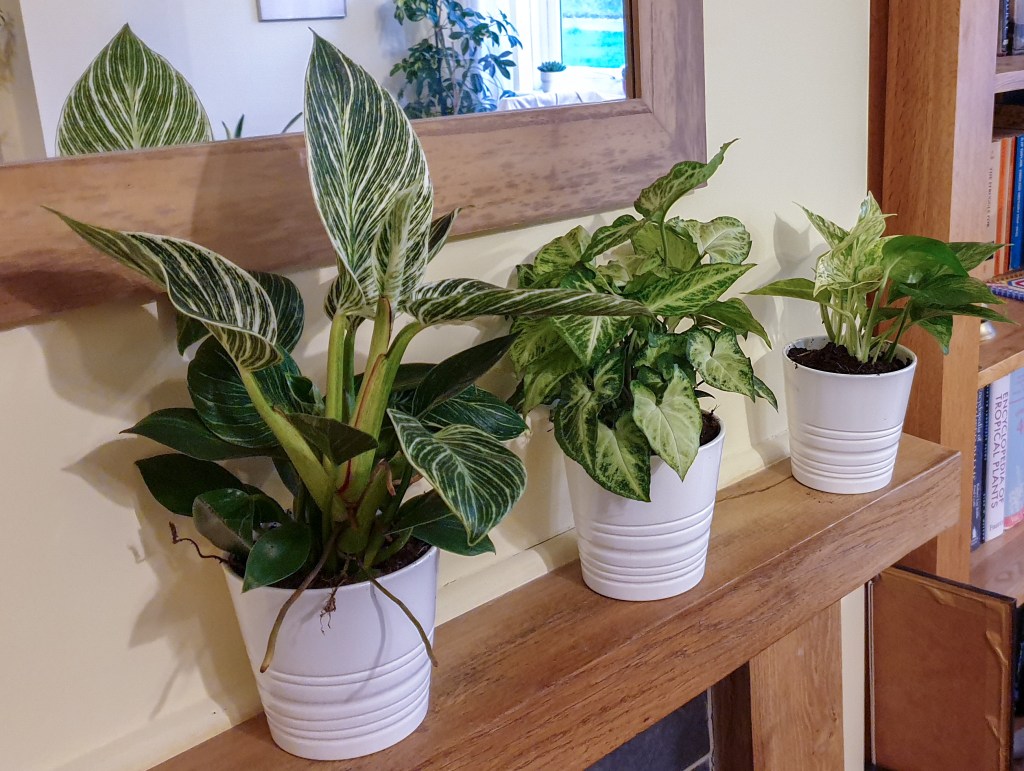
Buy some houseplants

Image of a group of houseplants on a ledge

This is the eye-catching, Instagram-friendly intervention that will illustrate the pages of the colour supplements and lifestyle websites. However, it is an effective way of bringing some life indoors.
Houseplants need not be expensive or huge. Ikea, for example, has some terrific plants and pots at very good prices (and I am an expert on indoor plants, so you can trust my judgement on this). They add green interest to the indoor environment and also demand some care. Watering (not too much), cleaning and trimming and arranging plants can be very therapeutic.

Follow your nose

Our sense of smell is our most primitive – detecting chemicals in the environment (which is what the sense of smell is all about) was the first sense to evolve in the animal kingdom. We often react to scents instinctively and before we are consciously aware of them, so we can use fragrances to create a multi-dimensional sensory environment very easily. The range and quality of home fragrances is more comprehensive than ever before, so there is bound to be something appealing.
I’m not going to go down the road of recommending particular scents for particular settings or tasks – we risk straying into pseudoscience – just choose something that you, and your housemates, like.

Water

We use our sense of hearing and smell to detect the presence of water, often before we see it – this is a survival mechanism. As wild animals, we needed to be able to find safe water – not just to drink, but to find prey that also needed a drink.

The sound of rainfall or babbling streams can be found easily just by asking Alexa (or other smart speaker system). A fish tank or small indoor water feature can also be soothing.

Take care of your skin

The skin is your largest sense organ, but often the least stimulated in the working environment. As well as stopping your insides from falling out, your skin is home to sensors that detect temperature, pressure, movement and resistance, shape and texture and even changes in humidity and static electricity.

Don’t starve it of sensation. Use different textures around your workstation and allow your skin to be stimulated. Create a breeze (not a draught), experience some sunlight, walk barefoot, wear less if the temperature (or your need to be on a webcam) allows it or even take a shower for pleasure rather than utility.

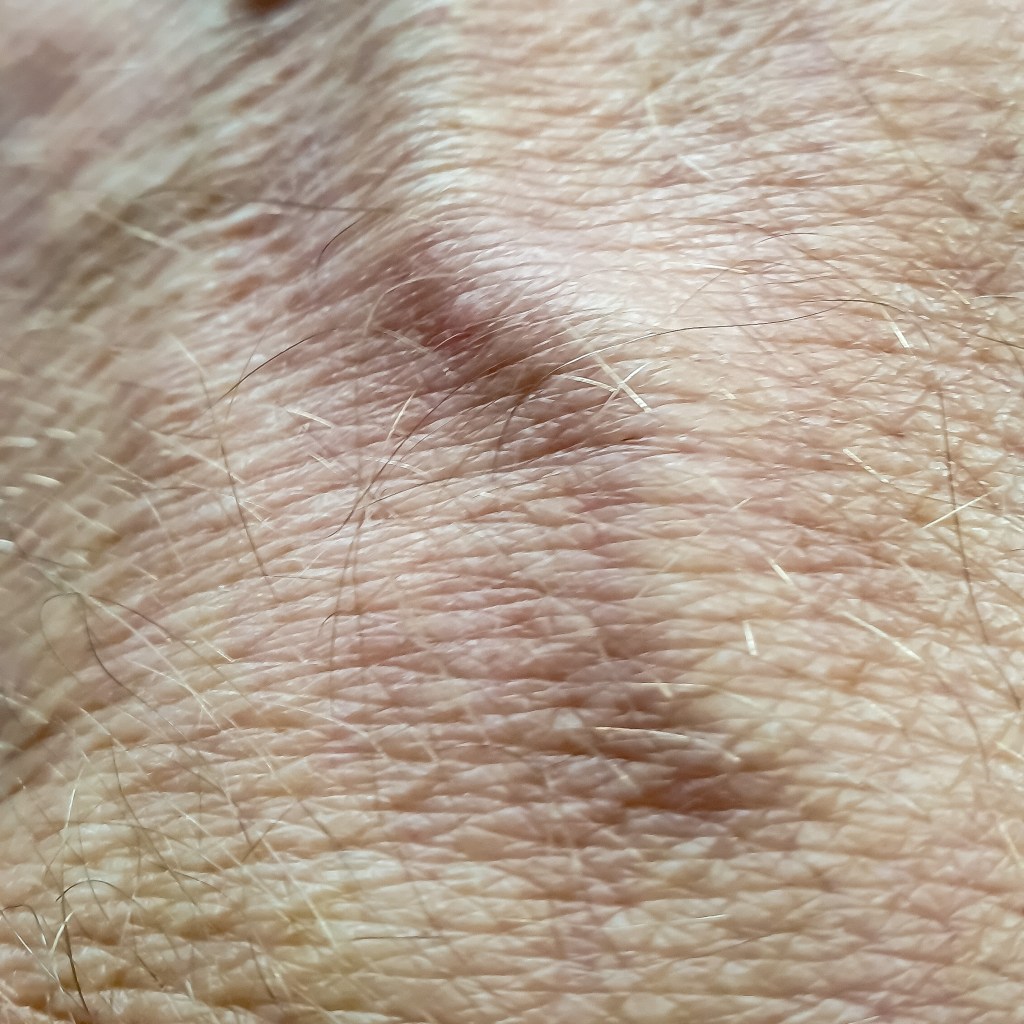
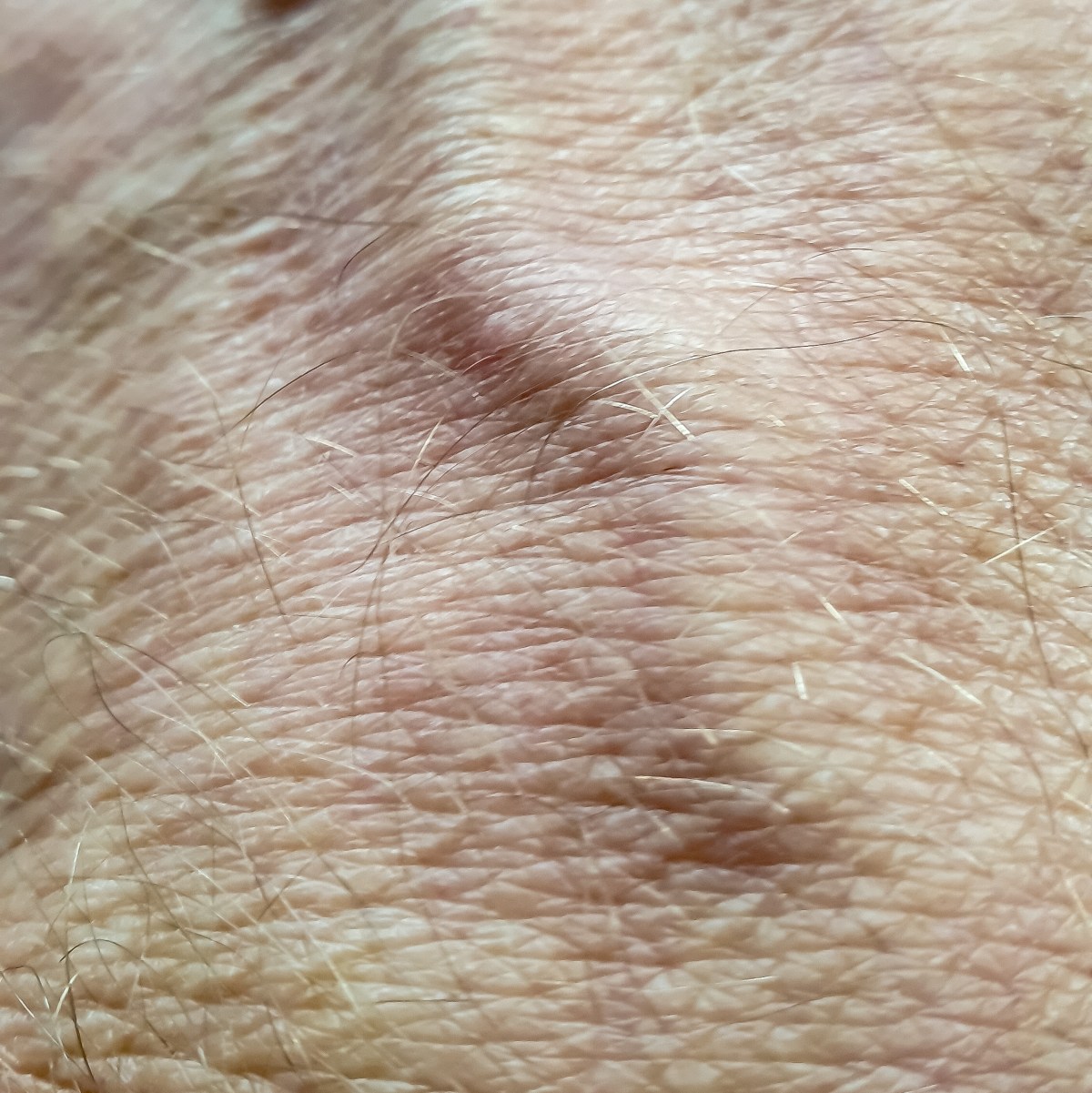
Image of skin on a hand

Comfort is the key

Biophilic design isn’t just about plants. It isn’t about bringing nature indoors. It is about being comfortable – physically and mentally. Comfort brings happiness and happiness is the key to both life satisfaction and also job satisfaction. A little investment in comfort can pay huge dividends for the individual and employers relying on home-based workers.

Why biophilic design is NOT about bringing nature indoors

It might be a tempting shorthand, but too many interior designers and interior landscapers talk about biophilic design in terms of bringing nature indoors. This is simply not true. The last thing you should be doing is to bring nature indoors – at the moment it is wet, windy, cold, muddy and the trees are shedding leaves by the ton. I don’t want foxes and crows gallivanting on my desk or slugs climbing my walls. If I want to be surrounded by nature – which I often do – I go for a walk in the fields or woods nearby.

Biophilic design is about improving wellbeing by using some of the cues of nature. As animals, we are as prone to being stressed in unnatural environments as any other species, which is why enclosures in zoos are designed to be as close to the animal’s natural surroundings as possible (and safe).

As a species, we have spent less than a 1% of our history as a domesticated animal (Professor Alice Roberts’ book, ‘Tamed, explains rather brilliantly why humans are the ultimate domesticated species – we domesticated ourselves). With that in mind, we need to create our enclosures to be as stimulating and stress free as possible.

We can do that by recreating natural stimuli in buildings – physical and mental – and that does include bringing some natural, or naturalistic elements into our buildings, but it doesn’t mean bringing nature indoors, because that is a bit messy.

For any advice on biophilic design, or if you are working on a project where biophilic design is an important element (and perhaps you are thinking only of plants), please get in touch.

What’s the difference between a space full of pretty plants and biophilic design?

Without a purpose behind a design, and the intent to make an environment better for the people that use it, we cannot describe a space as biophilic.

Over the next few paragraphs (which are based on my presentation to Cultivate ’20 Virtual in July 2020), I am going to discuss what I think it means to build a biophilic design brand for interior landscapers and designers.

It doesn’t mean what logo to use, or what name to give your business. It is more about the philosophy behind your business – your vision and your values.

Why am I banging on about biophilic design – isn’t it what everyone is doing right now anyway?

Biophilic design is the design trend of the moment. It is associated with greater wellbeing. However, many of its proponents think mainly, or only, in terms of the emotional, almost spiritual, need to connect with nature.

This can be an effective approach, is easily understood and has a lot of merit.

Let’s did a little deeper

Research has consistently shown, for almost 50 years (maybe longer) that when we put plants in buildings, things get better.

  • People feel happier
  • Symptoms associated with sick building syndrome disappear
  • Stress can be reduced
  • People become more productive

Various mechanisms for the benefits have been suggested – physical and psychological – but for years, all we had was a catalogue of discrete research projects without a compelling narrative to tie them all together.

This is Ken Brewer. He was with Ambius (my former employer), and its predecessor companies for over 30 years and was the North America Technical Director. As well as being a much missed colleague and friend, he is the man who first told me about biophilia – some time in the early 2000’s.

When he told me about it, the research that I (and many others) were doing suddenly made a lot more sense.

The concept of Biophilia is not new

However, it has been the work of Edward Wilson since 1984 (incidentally, the same year that the WHO first recognized Sick Building Syndrome), and more latterly Stephen Kellert, that has brought the concept of biophilic design to a much wider audience.

Biophilia theory is rooted in evolutionary biology and genetics. It contends that we, as a species, have an inherent need to be in an environment that relates to our basic needs as a species.

We evolved, and spent over 99% of our species’ history, in an environment resembling the savannah, and that is the environment that we instinctively feel most comfortable in: open, undulating landscapes with scattered and clustered vegetation and good access to water and shelter.

Our senses evolved to work at their best in such an environment, and so it makes sense to create our artificial environments to stimulate our senses is much the same way as in our wild setting. This is where biophilic design differs from conventional interior design – it combines multiple design elements in a holistic way to stimulate our senses.

The difference between a space full of pretty plants and biophilic design

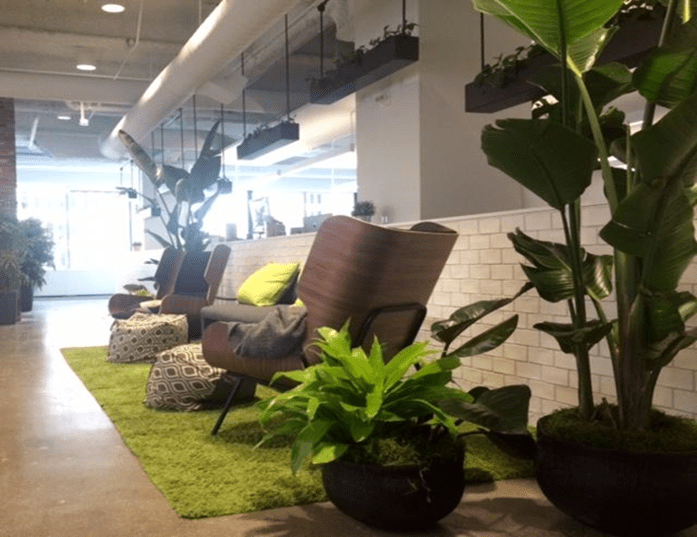
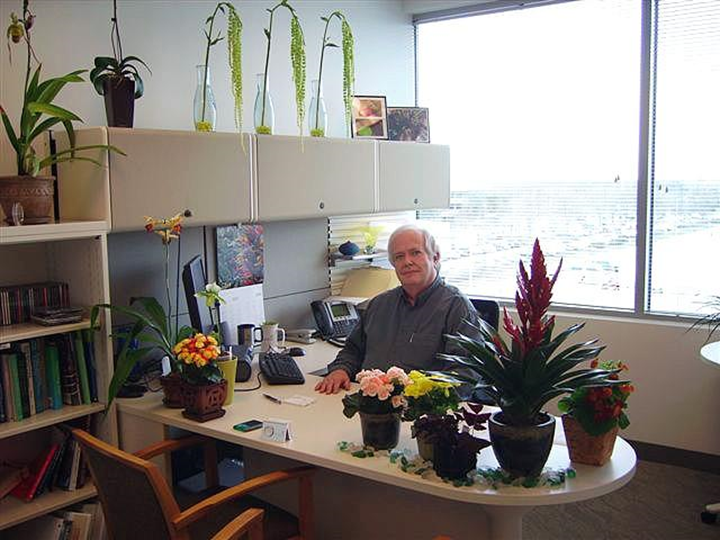
The offices of Segment in California (image by Ambius North America) incorporating many elements that might be considered biophilic

At its core, biophilic design is a design philosophy that is based on biophilia, which incorporates natural elements and natural analogues in such a way as to create an environment that is stimulating, engaging and provides sensory stimuli that work together to minimize stress and discomfort.

It triggers an emotional connection with the space as a result of an appropriate sensory balance and sense of psychological and physical comfort.

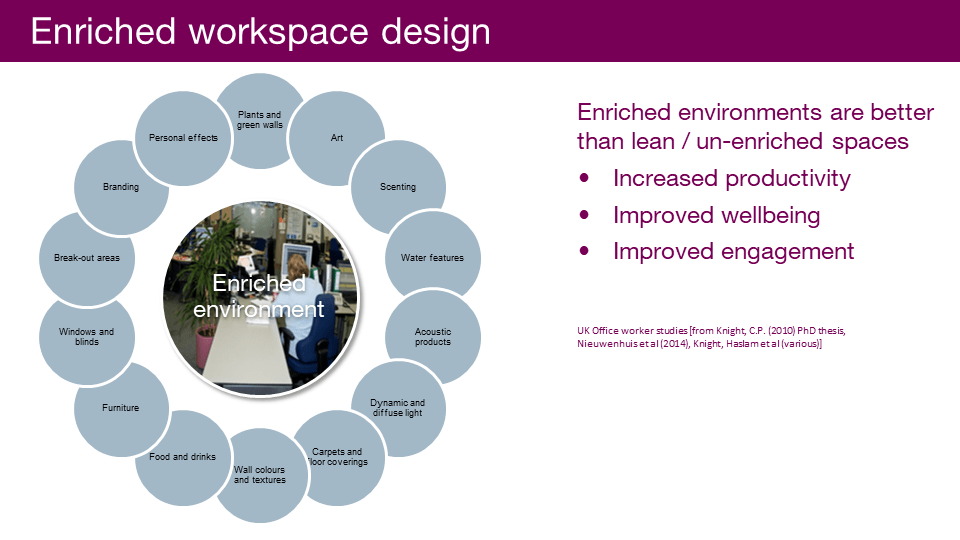
There is a huge benefit to putting plants into buildings – the very act of enriching a space can have some profound effects in terms of wellbeing and productivity.

The difference, however, between doing interior landscaping and biophilic design isn’t what you put in a building, but how what you put in a building speaks to the people that use the building. In other words, it isn’t about the products.

It is also about why.

Why has your client asked you to put plants in their building? What is the intent?

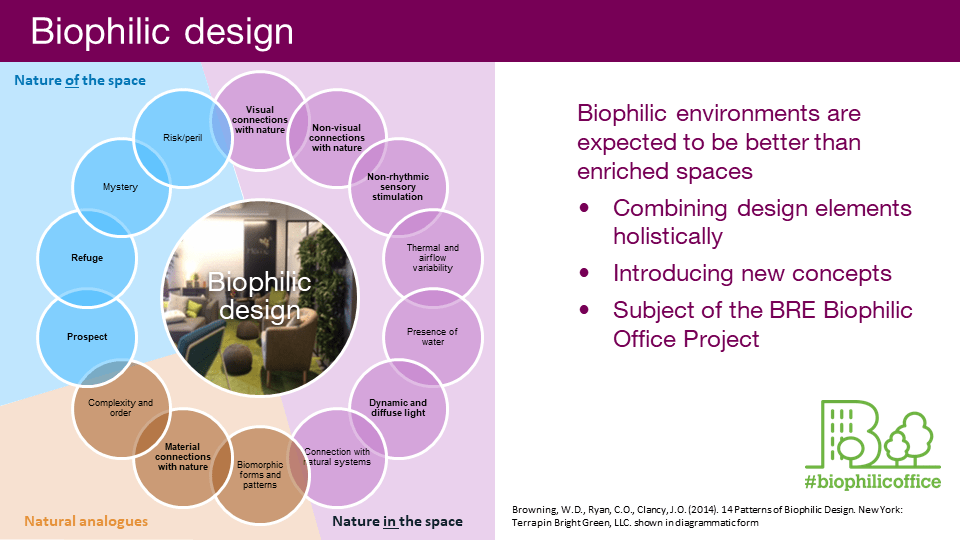
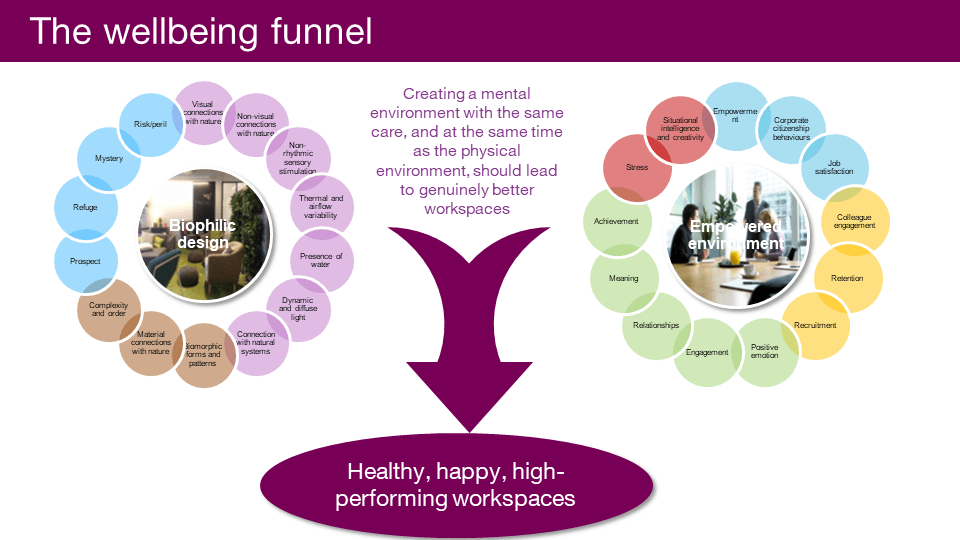
Biophilic design has many definitions. Terrapin, for example, propose a number of characteristics that make up biophilic design in three broad categories, as we can see here.

  • Nature in the space
  • Nature of the space
  • Natural analogues

The first and last of these are areas are what interior designers and interior landscapers are really good at. With a bit of imagination, they can be pretty good at the other as well.

When combined well, these elements create a sensory environment that is harmonious. The sensory inputs we experience are congruent. They complement each other and allow us to understand our environment.

When our senses are stimulated discordantly, when we can’t make sense of what we are seeing, feeling, hearing and smelling, then we become stressed. If we hear a threat, but can’t see it, or if we smell the ocean but see the grey walls of an office, it takes mental effort to come to terms with those stimuli.

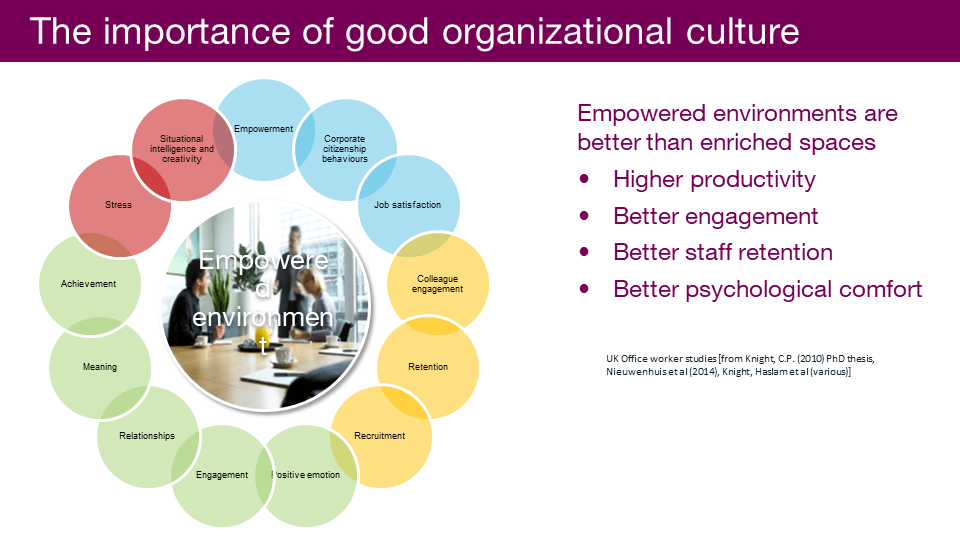
The importance of good organizational culture

Craig Knight’s research, and that of others, has shown that the biggest impact on performance and wellbeing isn’t plants, art, smells, and everything else that we do, but it is organizational culture.

The more people are empowered to manage their work and their work space, the better things are. Such empowerment can, and should for our industry, extend to engaging as far as possible with the end users of buildings – e.g. office workers – and giving them some agency over the plants and other enrichments.

Get empowerment right, everything else follows

And this doesn’t just mean with the clients. If designers get it right within their own organizations, they too will reap the benefits.

In fact, I think that designers need to live the values that are sold to clients in order to sell those ideas credibly, and for employees to sell and service those ideas with conviction

That’s how you build a biophilic brand identity: human-centric companies providing human-centric services.

It seems to me that it is likely that there is quite a strong interaction between design and organizational culture (although more evidence is needed to determine the strength of the effect), and that there are some synergies to be exploited.  

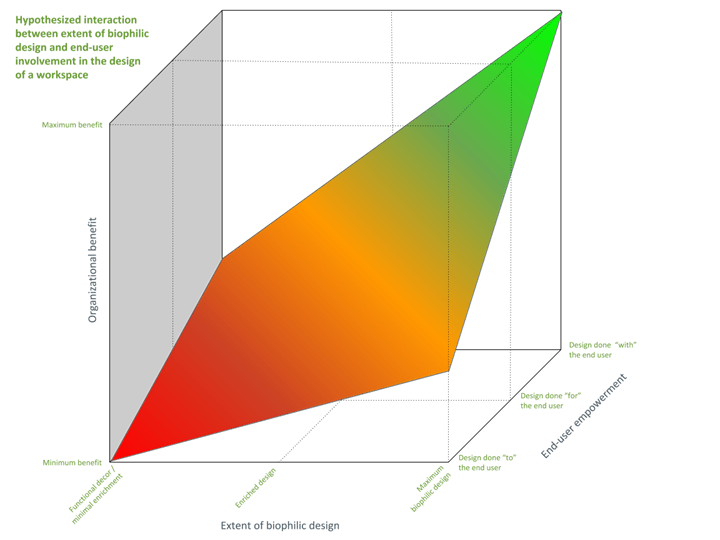
This can be represented simply as a diagram.  This is merely an untested hypothesis at present, but based on current evidence, an interaction between the extent of biophilic design and end-user empowerment might reasonably be expected to look something like this.

The more you enrich a space, and make it interesting and biophilic, the better.

Likewise, the more the end user is considered, the better – moving from design being done to the user, through being done for them, ultimately to being done with them.

And this is where the principle of intent comes in.

If an organization is willing to invest large sums to enrich a space with wellbeing in mind, then it may be reasonable to assume that the culture behind such a decision looks beyond physical comfort and considers issues such as empowerment, engagement, corporate citizenship behaviours, identity, and monitoring.  

And, unless organizations make efforts to address the mental space in their organizations as well as the physical space, then they, and their workers are unlikely to fully realise their potential.

For me, the ultimate goal of biophilic design is combining the best in design – all the plants and other elements – with the intent to make life better for the users of the space.

If the intent for creating wellbeing isn’t there, then all you are doing is making spaces pretty.

That’s better than nothing, but it’s not what I think is truly biophilic – genuine, human-centred spaces created with the wellbeing of the user in mind, with our senses stimulated harmoniously and designed by someone who really gets it.

350 shades of green

Over the last three months, as spring has turned to summer, and the weather in my corner of England has been spectacular, I have been acutely aware of how the landscape has been transformed by the colour green. The green things in the landscape have also changed, from the vibrant fresh shades of new foliage, to darker greens as leaves mature, or from the deep greens of cereal crops as they begin to ripen towards yellower shades and ultimately to golden brown.

Sensitivity

The human eye is especially sensitive to green. The shades that we name as green fall right in the middle of the visible spectrum and extend from the citrusy yellow greens to minerally blue greens. I have been told that humans can distinguish as many as 350 shades of green (although that may be an artefact of language – how do we really define green, especially at the extremes of what might reasonably be described as green?)

How many shades of green?

Symbolism

Green is a hugely symbolic colour too. Pagan religions from all over the world have symbols, such as the Green Man of North European folklore. These often represent both the power of nature and its sustenance. Green is sometimes related to magic and the presence of spirits too.

There was even a time – within living memory – that green cars were regarded as unlucky (at least that is what my grandmother told me. She was aghast when my father bought a mint green car in the 1970s, but that might just have been a comment on his taste).

Rosslyn Chapel Green Man – photo by Johanne McInnes. (licence CC by 3.0)

More positively, green represents sustainability and environmental responsibility. Green also means progress. Green for go is the universal convention for traffic management and for a safe state of affairs.

All of this symbolism can be directly linked to the colour’s ubiquity, and that is also directly related to the life giving quality of a green pigment called chlorophyll, without which, no complex life on Earth would be possible. You can almost feel the force of life coursing through green spaces in nature.

Green workspaces

Workplaces have been given the green light to re-open as the worst of the pandemic eases. Some have taken the opportunity to go green: plants screens and moss walls are being specified to ensure physical distancing and aid with pedestrian traffic flow.

Other workplaces are embracing the environmental opportunities that are afforded by allowing more people to be home based (for part, or even all of the time), reducing commuting time, emissions and energy bills and being available for those that cannot work anywhere else, or for when face-to-face collaboration is unavoidable. This might even lead to a significant reduction in office space occupancy, as this article in the Guardian recently explained.

Some are looking to a more human-centred future. Instead of offices being a place to go for all work, they might be hubs for collaborative effort: occasional places that are both sociable and productive.

Workplace managers are going to have to consider whole new interactions of disciplines in the very near future: space, furniture, technology, connectivity, restoration and recuperation, and new approaches to managing people.  All will need repackaging to create work environments that people want to use.

Unfortunately, a large number of workplaces are doing their best to recreate the pre-pandemic state, but with perspex and cubicles. A look at some of the FM web sites and magazines shows just how uninspiring some of these places can be. High screens, often in shades of grey, blocking not just the view of a colleague, but preventing views of the broader interior landscape or even through a window. Such spaces are, no doubt, hygienic, but they are also emotionally sterile too.

Maybe, our new-found appreciation of nature and a greater understanding of how we, as animals, respond to the rhythms of the seasons can help us create better working environments as a result.  

In a fragile economy, those organizations willing to invest in creating more humane working cultures will be in the best place to attract and retain eager and talented people.  Fortunately, those investments need not be huge in terms of cash and capital, but instead may require taking a little time to learn and reflect on what has been learned.

If you would like more detailed advice on creating workspaces that are humane and effective, please get in touch.

Skin: our largest sense organ, and our least stimulated in the workplace

I am strongly of the belief that biophilia is far more than the emotional and psychological connection to nature that is most often suggested as the basis of biophilic design. For me, true biophilic design is about creating physical and psychological comfort. It involves creating a sensory environment where our senses are stimulated congruently.

Physical comfort depends on our brain interpreting the inputs of sense receptors, which allows us to create an internal map of our environment. This helps us know how to behave: whether to fight, flee, feed, shelter, nurture, create, etc. Stress hormones can prime us to move quickly, whereas our pleasure centres can encourage us to stay put and indulge more.

An environment that allows our senses to work in concert should be comfortable and, in a workplace setting, will enhance effectiveness (thence engagement, productivity, job satisfaction, etc.)

Designers can be very good at addressing many of our sensory needs, but all too often, our largest sensory organ is ignored.

image of the skin on a hand

Our skin is densely packed with sensors that react to temperature, air movement, pressure and even static electricity and chemical irritation. Our skin sensors tell us when a surface is safe to grip or walk on. We have sensors that provide feedback about the things we pick up, bend, twist, press, push and pull. Other sensors tell us when we are being exposed to excess heat or cold.

Human beings are unique in nature in that we are the only species that covers most of its skin, thus depriving us of a huge amount of sensory information. However, that particular behaviour is a relatively recent innovation. Modern humans have only worn clothes for about a third of their time on Earth, and there is very little evidence to suggest that our hominid ancestors ever saw the need. As with our other senses (although to a lesser degree), evolution hasn’t caught up with the changes we have made to our habitats through migration and building – we are still essentially adapted to living wild on the open plains of Africa.

Depending on the nature of the sensory inputs through our skin, we can experience great pleasure or immense pain. Those experiences are enhanced the more that the skin is exposed.

One of the reasons we find draughts so annoying is that our skin is detecting air movement over only small parts of exposed skin, but not the rest. As a result, we get conflicting sensory inputs. Our neck and face might feel chilly, turbulent air currents, but the rest of us is wrapped up snug and warm. We have to use mental effort to understand what is going on.

In workplaces, we deprive ourselves of tactile and haptic experiences. Surfaces are smooth (for easy cleaning, as well as aesthetics) and we spend so much of our time still, apart from tapping at keyboards or picking up the phone.

So, what is the answer?

There are few opportunities to expose the skin to the environment in most workplaces. Society is probably not yet ready for naturist offices (although homeworking during the pandemic lockdowns offered many the chance to experiment), so any tactile and haptic stimulation needs to be directed at whatever skin is exposed (face and hands in the main), or be felt through clothing.

But it is not enough just to stimulate the skin, there can be purpose behind it.

Textures can be used very effectively to demarcate spaces and indicate safe, or preferred routes (think of textured pavements near pedestrian crossings). They can also be used to indicate status and authority – thick carpets and soft textiles are often associated with luxury and opulence, as are natural materials such as wood and stone. Whilst the general office accommodation in a building might be a sea of laminate desks and hard-wearing carpet tiles, the executive floors tend to be more cosseting. These areas have an abundance of more natural materials and they often feature more interesting and varied textures.

The indoor climate can also be managed in a way that is more in keeping with our sensory needs. I’ve already mentioned a reason why draughts are irritating, but other aspects of thermal regulation are important too. Heat and humidity, as well as air flow, can have a significant impact our comfort.

Humidity is especially important as far as comfort is concerned. Too humid and the air is clammy and our clothes get sticky and damp, which is not comfortable. Too dry, and our skin needs artificial moisturising to prevent itching and irritation.

In a typical workplace, our environment is pretty much fixed, or variable within a very limited range. In open offices, personal control is very limited. Office workers can neither change the environment nor their behaviours beyond a narrow spectrum.

When not in the office, we can make adjustments to our behaviour to adapt to a changing environment. Uncomfortable skin can be made more comfortable by moving from one place to another, by adding or removing clothes or by taking a refreshing shower. We can choose to walk on carpet or a hard floor, or sit on a soft cushion or wooden bench. We can often change some elements of the environment ourselves, by changing the temperature, for example. We have agency.

I first wrote this in May 2020, during the fifth week of the first lockdown in the UK. Most office workers were working from home. Perhaps, for the first time in their working lives, people were able to manage their working environment in ways that are not possible in an office building. Whilst it might have been lonely to be away from colleagues, it is likely to have been a more physically comfortable place to be. I wonder how much people will miss their control over their sensory environment when they return to the office. Maybe this is one reason why remote and hybrid working remains popular).

Processing…
Success! You're on the list.

Thoughts about indoor air quality and monitoring

My recent post about the benefits of indoor air quality (IAQ) monitoring spoke about how monitoring can be empowering and lead to improved productivity and business effectiveness. It was written before the full impact of the Coronavirus lockdown really hit. One of the most interesting things about monitoring and measuring IAQ is how our perception of what is important varies according what we are doing and how we are feeling at any time. Our urge to control our environment, even if that control may end up with exposure to something harmful, is very strong.

Photo by Kaique Rocha on Pexels.com

A recent article in the Guardian highlighted some interesting research about the link between high levels of pollution and high levels of Covid-19 mortality, in particular, pollutants such as fine particulates, sulphur dioxide, nitrogen dioxide and ozone. Exposure to these pollutants seems to weaken the immune response and also damage the fine lining of the upper respiratory tract – the main site of infection by the virus.

There is an excellent podcast featuring Professor Anna Hansell (professor of environmental epidemiology and director of the centre for environmental health and sustainability at the University of Leicester) explaining all of this here.

Another report, also in The Guardian, adds weight to the link between Covid-19 and fine particulates, but this time suggesting that the virus might be carried on those particulates – two health threats for the price of one!

What does this have to do with indoor air quality and monitoring, especially at the workplace?

In modern airtight buildings with complex air management systems, it is possible to keep levels of these externally-generated pollutants down to safe levels. There are any number of air purifiers, filters and indoor vegetation systems that will help to manage this. And there are good IAQ monitors to help building operators to keep an eye on conditions. What cannot be managed, though, is the exposure of office workers to these pollutants on their daily commute or in their own homes.

Older buildings are more difficult to manage. They are often permeable (or just plain draughty), may have opening windows (which many office workers regard as being very important, and which are very effective at enabling people to reduce productivity-destroying carbon dioxide in a matter of minutes).

Openable windows would, in many situations, be great for businesses. Empowerment and physical comfort – both of which can be managed by the simple act of opening a window – are known to be drivers of performance. However, when opening a window means bringing in a load of invisible and harmful pollutants, then other measures must be taken.

An IAQ monitor (preferably with a real-time display) would, of course, be the an ideal tool to have. It would show when levels of harmful pollutants exceed safe limits and show when to close the windows. By making the monitor visible to staff, as well as building managers, the decision to act is in the hands of the workers – empowerment is restored.

Covid-19 has brought home how vulnerable we are when our respiratory tract is damaged. Pollution is something that we must pay more attention to – it is a modifiable risk factor. Not just within and immediately surrounding our workplaces (including our home workplaces – and who measures IAQ there?), but in the wider environment too. On our commute to work, where we take exercise, where we educate our children or house our senior citizens.

The old saw, “you cannot manage what you cannot measure”, is in many instances nothing more useful than the cliched utterances of a contestant on The Apprentice. However, where air quality is concerned, there is a lot to be gained by measurement.

Stimulating the senses

Thoughts on biophilia and biophilic design (part 1) – it’s as much to do with human physiology as it is an emotional response

I’ve been thinking a lot about why Biophilia and biophilic design has much more to do with evolution and the way our senses work, rather than the emotional response to nature that is so-often suggested. 

Let’s look at one definition of biophilia. The most famous, and most important is that given by EO Wilson – the man who catalysed the development of the concept. In 1984, he defined Biophilia as “…the innate affiliation people seek with other organisms and especially the natural world.”

This is a strong statement.  Wilson also speaks of the human bond with other species, which is beautifully explained in his book. This all suggests that biophilia is essentially an emotional need to connect with nature and natural surroundings. 

Stephen Kellert, the grandfather of biophilic design, spoke of “our physical, emotional and intellectual inclinations for nature and life”. By expressing our need to connect with nature on an emotional level, we instinctively understand the concept.  We remember that being in natural places makes us feel good and that the countryside or woodlands are instantly relaxing.

Bringing nature into our built environment – our offices and cities – is a great response to that feeling of calm we get when in nature. However, let’s examine why being in nature really makes us feel comfortable.

I contend that it isn’t wholly a psychological or emotional need, but much more of a physiological need, based on humanity’s evolutionary history and our origins in the plains of Africa.

If you were to take a mole away from its burrow and place it in an open, sunny garden, such as where we might want to spend some time, it would be stressed, frightened and try to dig a new hole. Its senses are not able to cope with the bright light, the lack of close skin contact and the shrill noises of birdsong.  Millions of years of evolution have produced a creature that thrives in dark, damp, tight tunnels.  This is where it finds food, shelter and other moles with which to mate.  If we were to create an environment for a captive mole, it too would be dark, damp and tight, because that would be the humane thing to do.

A mole would rather be underneath this garden than in it!

When we create environments for humans – offices, for example – we tend to make them very space efficient, very energy efficient and completely unlike the environment where our species has spent over 99% of its evolutionary history. 

Not our natural habitat

Humanity evolved on the plains of Africa.  Wide open spaces with undulating landscapes.  The vegetation was scattered and grew in clusters; water was plentiful and skies were bright. 

Humans use their eyes to look for food and threats – sight is our most developed sense.  Colour perception for us – the part of the spectrum that we can see – enables us to spot shapes (food or danger) against the background of vegetation, and recognise when fruits are ripe. 

Our hearing is fine tuned to the noises of prey animals and the sound of running water.  Our sense of touch helps us to determine the quality of materials that we can use for shelter, and our sense of smell tells us what is safe to eat. Our senses are highly adapted to that environment. Those senses evolved to enable our species to survive.  If we stress our senses, we react as if there is a threat to our survival.  Stress hormones prepare us to fight or flee. Our senses become overwhelmed or under used. 

Biophilic design is the trend of the moment and is associated with wellbeing. However, many designers think mainly, or only, in terms of the emotional, almost spiritual, need to connect with nature. This can be an effective approach, is easily understood and has a lot of merit. 

However, I think we can create more effective spaces if we unpick what we mean by an emotional response and use a sensory approach to design.  Let’s stimulate our senses the way nature intended.

Footnote: some books worth having a look at. Nature by Design, by Stephen Kellert, Biophilia by Edward O Wilson and Biophilic Design be Kellert, Heerwagen, et al