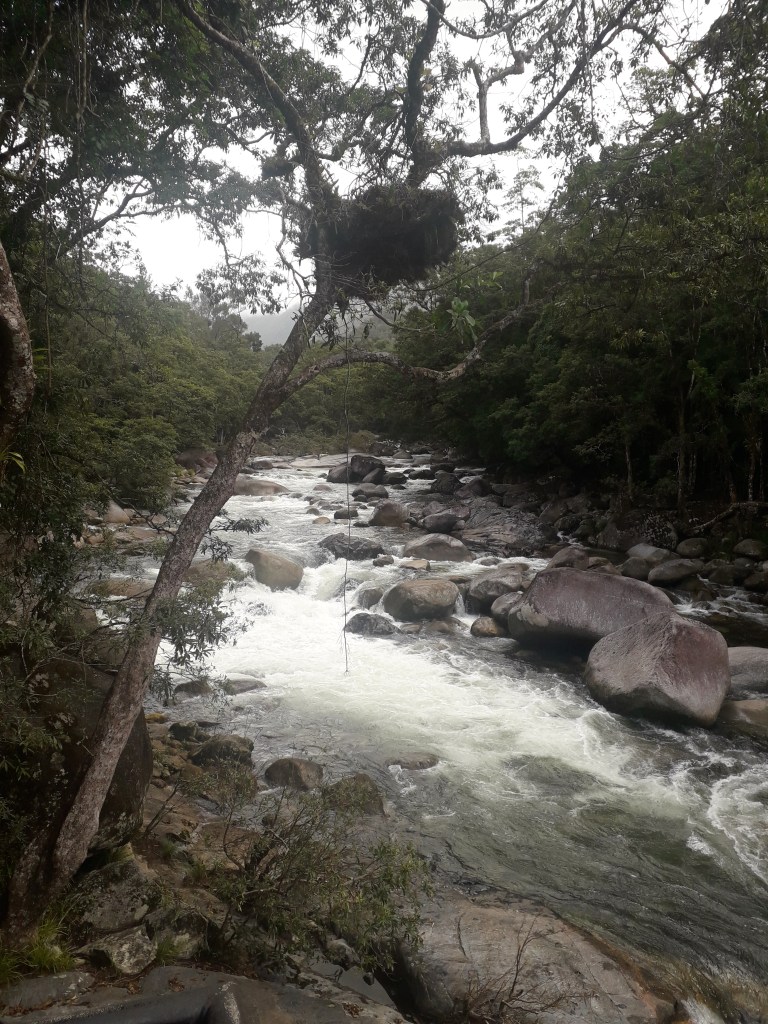
Biophilic design has gained significant traction over the last decade or so as a way to support well-being, improve quality of life in built environments and even improve productivity. For some designers – especially people in my own industry of interior landscaping – this starts and finishes with plants. However, there is much more to it than just greenery.
I have written before about the need to stimulate all of our senses to be truly biophilic. One way to achieve this is by incorporating non-rhythmic sensory stimuli. These include elements such as the sound of running water, the sight of flickering flames, rustling leaves, or the sensation of a gentle breeze. Ambient scenting may also be considered a non-rhythmic sensory stimulus, although this is a much more complicated issue and worthy of a separate article.
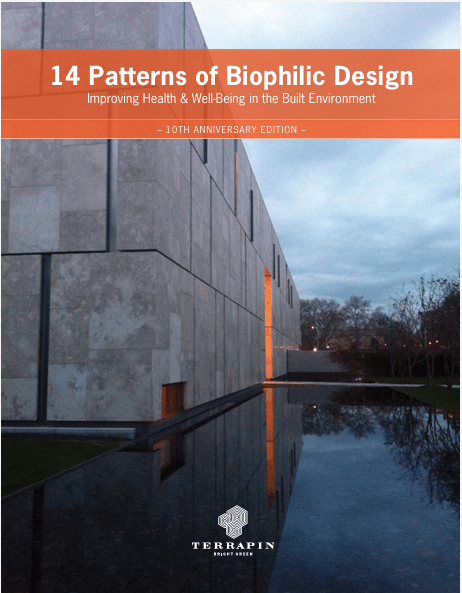
The incorporation of non-rhythmic sensory experiences into the built environment can offer additional ways to enhance well-being, productivity, and overall quality of life by making the biophilic experience more rounded. This is one of the 14+ patterns of biophilic design recognised in the iconic report by Terrapin Bright Green (which has been recently updated in its 10th anniversary edition, and which is very much worth a read).
The science behind non-rhythmic sensory stimuli
Non-rhythmic sensory stimuli are characterized by their variability and unpredictability, which is in contrast to the often monotonous and repetitive patterns found in the artificial settings of the built environment. These stimuli are common in natural settings. Research suggests that such patterns engage our senses in a way that promotes relaxation, reduces stress and may even enhance our cognitive abilities.
One study Joye et al. (2013) suggested that non-visual sensory stimuli, such as the sound of water or wind, can significantly reduce stress and improve mood. The study found that these stimuli activate the parasympathetic nervous system, which is responsible for the body’s “rest and digest” response. It has been suggested that this could counteract the effects of chronic stress. Similarly, the visual unpredictability of natural elements, such as the movement of flames or shifting shadows as the sun shines through vegetation blowing in the breeze, might capture attention in a non-intrusive way, fostering a sense of calm.

Psychological and emotional benefits
One of the most significant benefits of non-rhythmic sensory experiences is their ability to reduce stress and anxiety. In a world dominated by structured routines and artificial environments, the introduction of natural, irregular patterns can provide some form of mental escape back to nature. For instance, the sound of running water, whether from a fountain, an indoor waterfall or even from an electronic soundscaping system has been shown to reduce stress, as measured by skin conductance (Alvarsson et al., 2010), something that could be valuable in high-stress environments such as some offices, hospitals, and schools.
Moreover, non-rhythmic stimuli can evoke positive emotional responses. The sight of dancing flames in a fireplace or the gentle movement of curtains in a breeze can create a sense of warmth, comfort, and nostalgia. These experiences tap into our evolutionary connection to nature, fostering feelings of safety and well-being. Over 30 years ago, Roger Ulrich (1993) wrote that exposure to natural elements can elicit positive emotions and reduce feelings of anger, fear, and sadness, which are often exacerbated by sterile, artificial environments.
Cognitive and productivity benefits
Incorporating non-rhythmic sensory experiences into indoor spaces can also enhance cognitive performance and productivity. Research by Kaplan and Kaplan (1989) on Attention Restoration Theory (ART) suggests that natural environments, with their innate variability, provide a restorative effect on mental fatigue. Non-rhythmic stimuli, such as the sound of a breeze or the sight of moving water, can serve as “soft fascinations” that allow the brain to recover from the demands of focused attention.
In the workplace, it has been suggested that the introduction of non-rhythmic elements might be linked to improved concentration, creativity, and problem-solving abilities. Anecdotal reports suggest that people working in environments with natural sounds, such as flowing water or bird songs, experienced higher levels of satisfaction and productivity compared to those in traditional office settings.
Similarly, the use of dynamic lighting systems that mimic the shifting patterns of natural light can help regulate circadian rhythms, improving alertness and reducing fatigue. Research carried out at the BRE and presented at the Wellness and Biophilia Symposium in 2019 showed a relationship (in some scales) between dynamic lighting and improved self-reported wellbeing.
Practical applications in the built environment
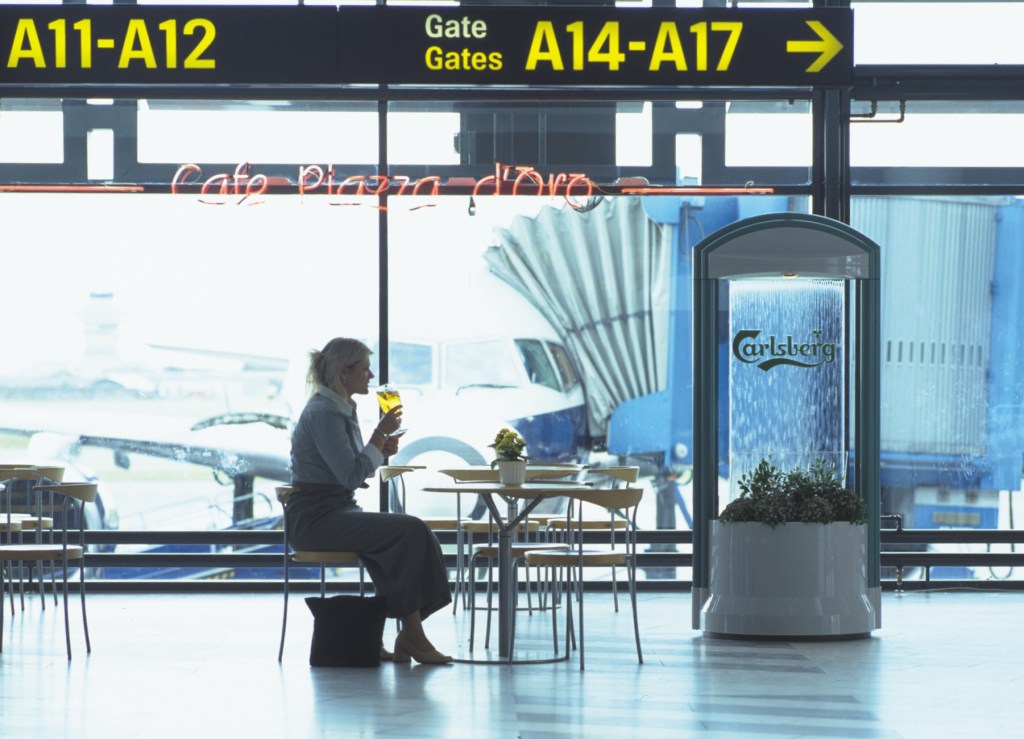
The use of non-rhythmic sensory experiences into indoor spaces is now being incorporated in some workplaces, and can be achieved through a variety of design strategies. Water features, such as indoor fountains or aquariums, can provide both auditory and visual stimulation. . Similarly, the use of natural materials, such as moss, foliage, wood and stone, can enhance tactile experiences and evoke a sense of warmth and authenticity.
In addition to these physical elements, technology can play a role in bringing non-rhythmic experiences indoors. For example, dynamic lighting systems that mimic the changing patterns of natural light can stimulate the brain not unlike being outdoors throughout the day and soundscapes that replicate natural environments, such as forests or beaches, can be used to create a calming atmosphere in offices, schools, and healthcare facilities.
Virtual reality systems that simulate natural settings can also provide immersive sensory experiences, particularly in environments where access to nature is limited. I once visited a place where there were no windows in one part of the building, so screens were set up linked to cameras mounted on the external walls so the view from outside could be brought in.
I can help you with your biophilic designs
If you are a designer or are planning some biophilic interventions in your building and would like some advice on how to incorporate non-rhythmic stimuli, please get in touch. I know lots about plants, a fair bit about water and scenting and I can put you in touch with plenty of people that are experts in some of the other patterns.
 Kenneth Freeman | Purposeful Places
One thought on “The sounds of falling water and the movement of shadows: the benefits of incorporating non-rhythmic sensory experiences into the built environment”